
Greece: Islands, Antiquity, and Taverna Culture
Travel guide · editorialGreece has more than 6,000 islands and islets, about 200 of them inhabited, plus a mountainous mainland that visitors often underestimate. A vacation in Greece can mean beach days on Crete, island hopping in the Cyclades, or hikes to monasteries perched on rock pinnacles, and usually a little of everything.
Athens and Thessaloniki
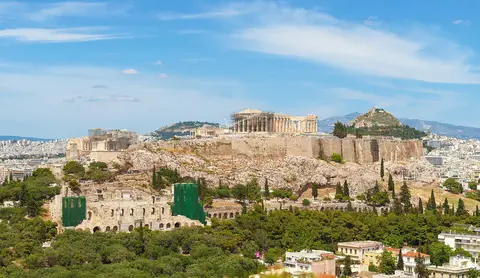
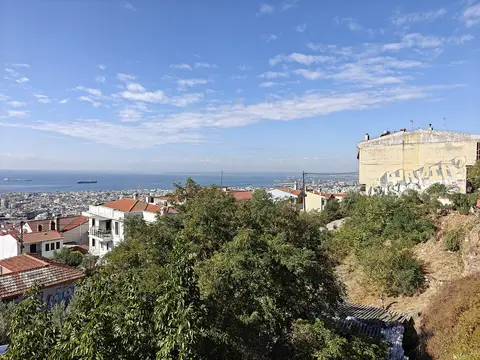
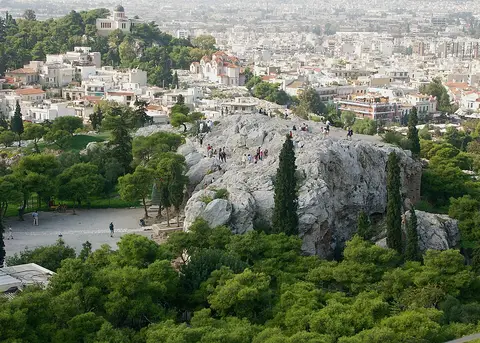
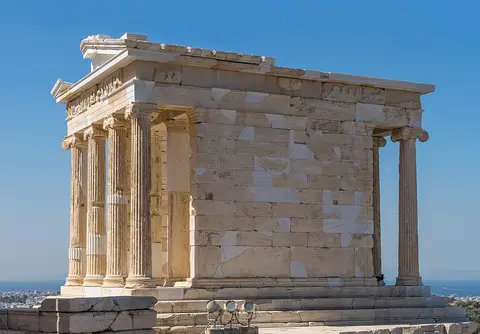
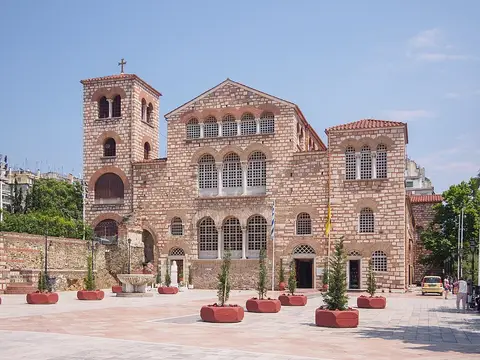
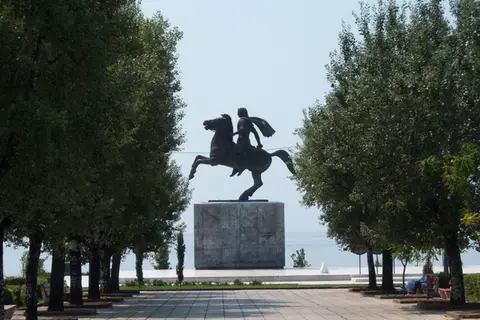
In Athens, the Acropolis rises over the city so naturally that you can see it from many rooftop terraces over dinner. It's best to visit right after it opens, followed by the Acropolis Museum, with its glass floor above excavations. The neighborhoods of Plaka and Anafiotika at the foot of the hill, with their white houses, feel like an island village, while Psyrri and Exarchia are the places for street art, bars, and rembetiko music. You can catch the sunset from Lycabettus Hill or at the Temple of Poseidon at Cape Sounion, an hour to the south. On the edge of the old town, the Varvakios Central Market is worth a visit, with butchers, fishmongers, and spice shops packed tightly together in old halls. Thessaloniki, the second-largest city, is more relaxed, more student-oriented, and for many Greeks the true capital of good food. Byzantine churches, the White Tower on the long waterfront promenade, and the Roman-era Rotunda tell the story of a city shaped over centuries by Greek, Ottoman, and Sephardic Jewish influences.
Crete, Rhodes, and Corfu
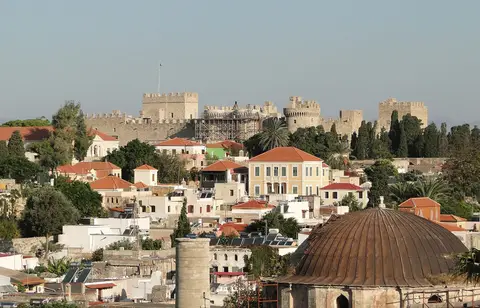
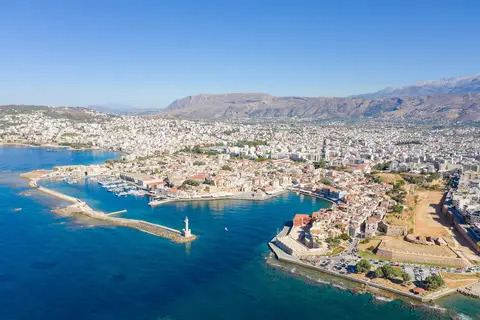
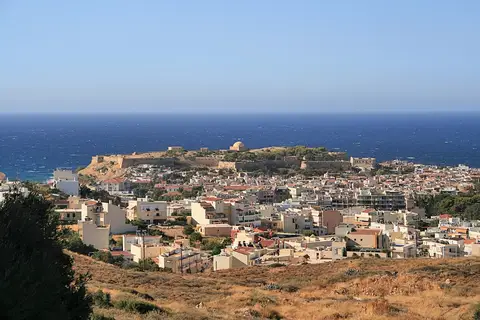
Crete is the largest island and almost a country of its own. In Chania, a Venetian harbor with a lighthouse nestles against the old town, Rethymno has minarets and wooden bay windows from Ottoman times, and near Heraklion lies the Minoan palace of Knossos, about 3,500 years old. In the south, gorges like Samaria lead down to the Libyan Sea, while in the west the lagoons of Balos and the pink-shimmering beach of Elafonisi beckon. Rhodes combines one of Europe's best-preserved medieval old towns, built by the Knights Hospitaller, with the white village of Lindos beneath its acropolis. Corfu in the Ionian Sea is greener, with olive groves, cypress trees, and an old town whose arcades and cricket pitch recall Venetian and British times.
The Cyclades and Other Islands
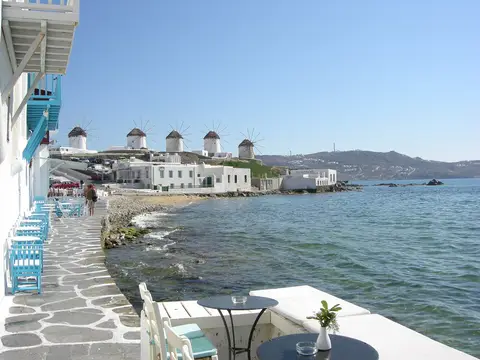
Mykonos is famous for its windmills, Little Venice, and pricey nightlife; Santorini for its caldera landscape, where hundreds gather in Oia every evening to wait for the sunset. If you prefer things quieter, Naxos offers long sandy beaches and mountain villages built of marble, Milos has rocky coves like Sarakiniko, and Sifnos has one of the best island cuisines in the Aegean. The Dodecanese islands of Symi and Kalymnos, the Sporades with Skiathos and Skopelos, or the Ionian islands of Kefalonia and Lefkada are other Greek destinations that combine well by ferry. Many smaller islands have hardly any hotels, just family-run guesthouses whose hosts set out homemade cake on the terrace in the morning. Ferry schedules change with the season: in summer, fast boats run, while in winter there are often only a few connections per week.
Sights on the Greek Mainland
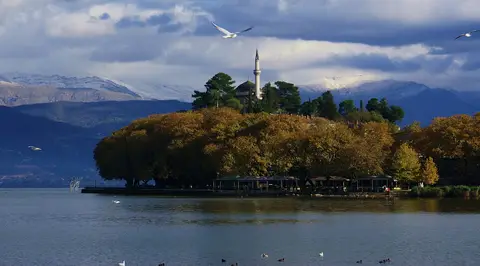
The Peloponnese is home to Olympia; Epidaurus, with its theater where you can hear a whisper in the top row; Mycenae with its Lion Gate; and the Byzantine ruined city of Mystras. Nafplio, the first capital of modern Greece, is an elegant base for exploring them. Patras is known mainly as a ferry port to Italy, but it also hosts the country's biggest carnival. In central Greece, the Meteora monasteries sit atop sandstone pillars, and Delphi looks out from the slopes of Mount Parnassus over a sea of olive trees. In the northwest lies Ioannina on Lake Pamvotida, and from here you can head to the Zagori villages with their stone bridges and to the Vikos Gorge, one of the deepest gorges in Europe.
Eating and Drinking
The taverna is the heart of everyday Greek life. You order lots of small plates for the whole table: tzatziki, taramosalata, grilled octopus tentacles, stuffed grape leaves, fava made from yellow split peas, and horta, wild-gathered greens with lemon and olive oil. Moussaka and pastitsio are more of a winter thing; in summer there's gemista, tomatoes and peppers stuffed with rice. On Crete, people eat dakos, barley rusk topped with tomato and mizithra cheese, and finish with a glass of raki. Ouzo is drunk in the afternoon with meze, and wines from Santorini, Nemea, or Naoussa have long since gained international recognition. For breakfast, you pick up a bougatsa with semolina custard or a tiropita with cheese at the bakery, and in the afternoon a frappé or freddo espresso, which no plateia is without. People eat late: before 9 p.m., the restaurants are often filled only with tourists.
Getting Around and the Best Time to Visit Greece
Numerous islands have their own airports, and in summer there are direct flights from Germany to Crete, Rhodes, Corfu, Kos, or Mykonos. Ferries depart from Piraeus, Rafina, and Lavrio near Athens. On the mainland, a rental car is ideal; the highway network is good but has tolls. The best time to visit Greece is May and June as well as September and October: from June the sea is above 72°F (22°C), the air is pleasant, and the archaeological sites are less crowded. In July and August, temperatures in Athens regularly climb above 95°F (35°C), and in the Cyclades the strong meltemi wind often blows. In winter, many island hotels are closed, but Athens and Thessaloniki are worth a visit all year round, as are the mountains with ski areas on Parnassus.