Discover Athens: The Acropolis, Plaka, and Tavernas
Travel guide · editorialWhere else can you sit on a rooftop terrace, sip an ouzo, and gaze at a 2,500-year-old temple? Athens is the cradle of democracy and theater, but it is also a loud, creative, messy big city full of street art and tavernas. A city break in Athens is no longer just a stopover on the way to the islands.
The City of Antiquity
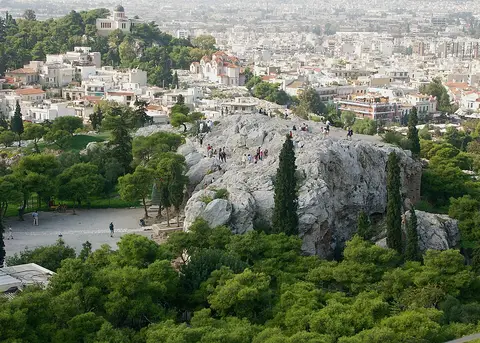
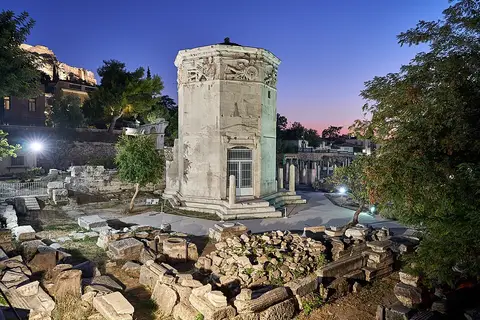
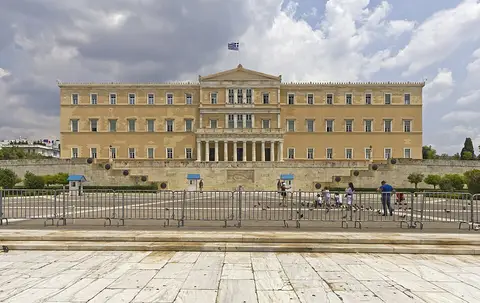
In the 5th century B.C., during the so-called Golden Age under Pericles, the Parthenon and other temples rose on the Acropolis, while philosophers such as Socrates and Plato debated in the Agora. Later the city was ruled by Romans, Byzantines, and, for almost four centuries, the Ottomans. In 1834, Athens became the capital of the young Greek state, at that time a small town with only a few thousand inhabitants. The Bavarian Prince Otto, Greece's first king, had neoclassical buildings constructed. After the population exchange with Turkey in 1923 and again after World War II, the city grew rapidly; the 2004 Olympic Games brought a modern metro and a new airport.
Sights in Athens
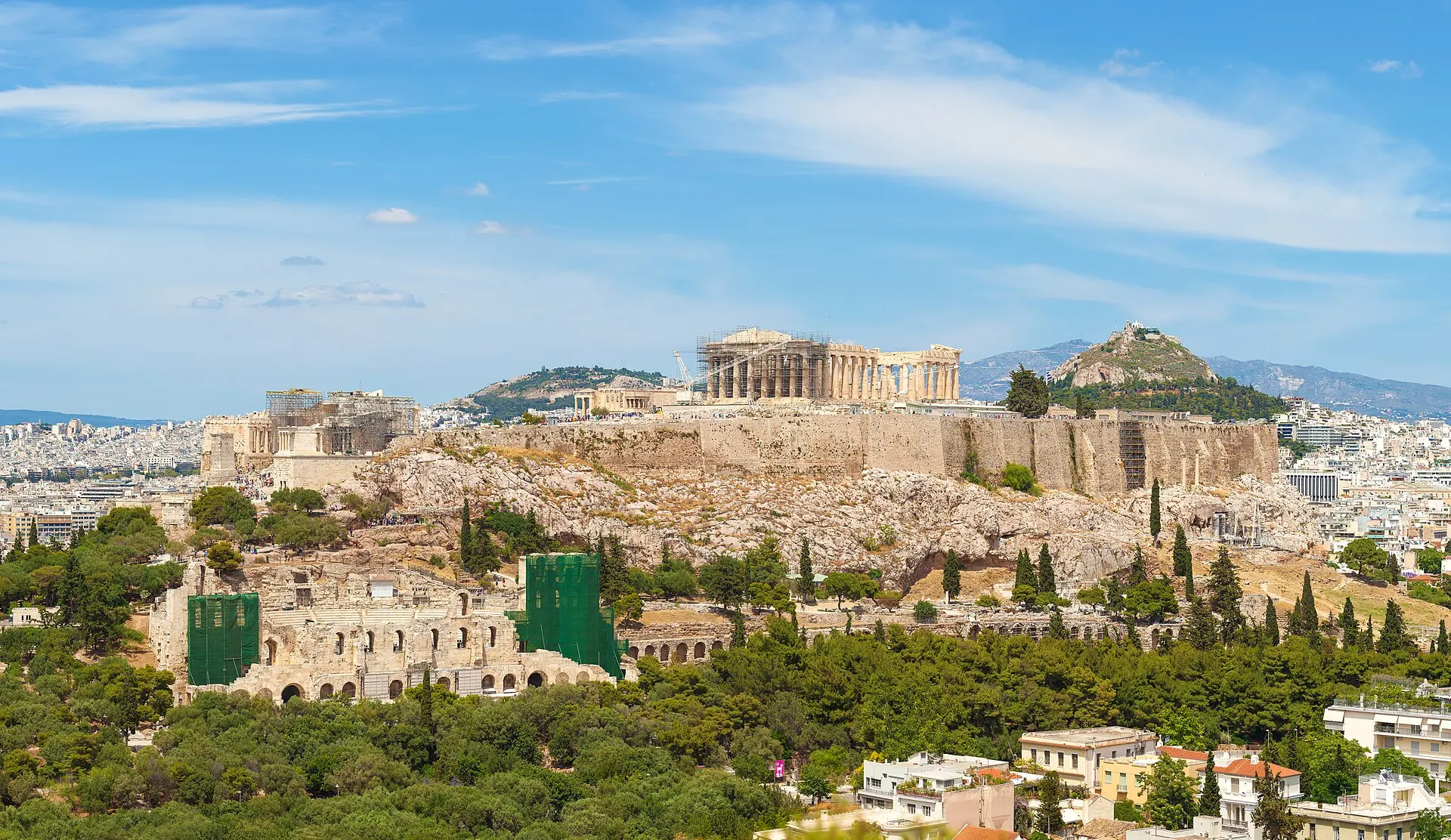
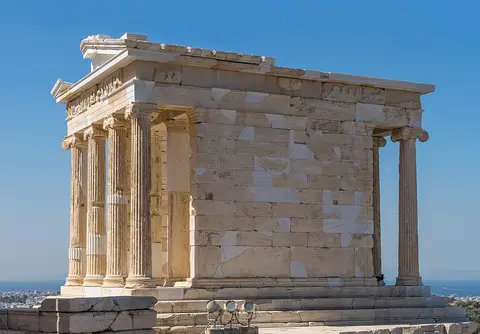
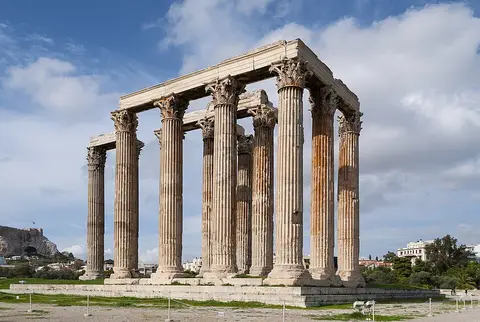
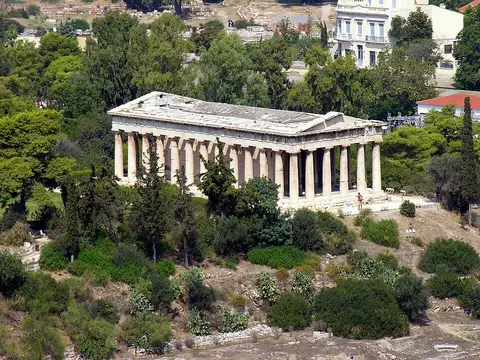
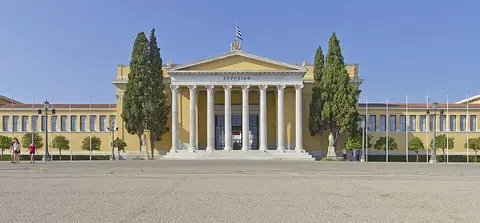
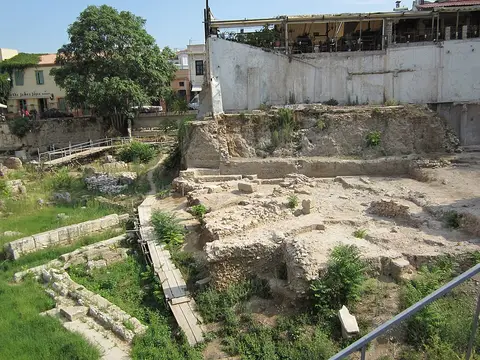
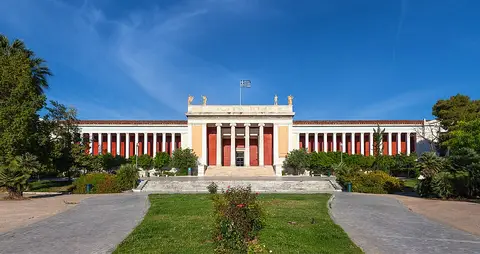
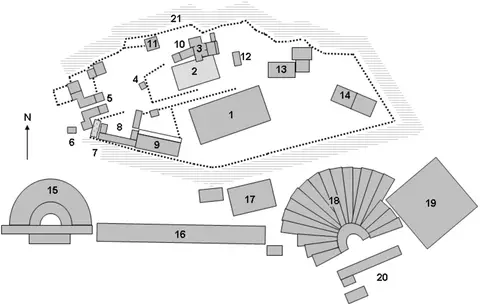
The Acropolis, with the Parthenon, the Erechtheion and its caryatids, and the Temple of Athena Nike, is the destination of almost every visitor. You should arrive early in the morning to avoid the heat and the crowds; timed-entry tickets have been available for several years. At the foot of the rock, the Acropolis Museum displays the original sculptures, with a glass gallery from which you can see the Parthenon; through the glass floor you look down onto excavations. The ancient Agora with the well-preserved Temple of Hephaestus, the Theater of Dionysus, the Temple of Olympian Zeus, and the marble Panathenaic Stadium, where the first modern Olympic Games were held in 1896, round out the tour. The National Archaeological Museum holds the world's most important collection of ancient Greek art, including the Mask of Agamemnon. At sunset, Lycabettus Hill offers the best view over the city all the way to the sea.
Neighborhoods: Plaka, Monastiraki, and Psiri
Plaka, below the Acropolis, is the oldest residential neighborhood, with neoclassical houses, bougainvillea, and tavernas; tiny Anafiotika, built by islanders, feels like a Cycladic village. Monastiraki is known for its flea market and the square with a view of the Acropolis, Psiri for street art, bars, and small workshops. Kolonaki is the elegant district with boutiques and cafés, Exarchia the political and alternative one. On the coast lies Piraeus, Greece's largest port, from which the ferries depart for the islands; the Mikrolimano harbor with its fish restaurants is a rewarding evening destination. Farther south, the Athens Riviera stretches along beaches all the way to Cape Sounion.
Eating in Athens
Athens' restaurants range from simple tavernas to modern Greek cuisine. Souvlaki and gyros in pita bread, moussaka, spanakopita, tzatziki, and freshly grilled fish are must-tries. With mezedes, small appetizers, you drink ouzo or tsipouro. The Varvakios Central Market on Athinas Street is an experience, with meat, fish, and spice stalls. For dessert there are loukoumades, fried dough balls with honey. The nightlife runs late: in Psiri, Gazi, and Koukaki, the bars don't fill up until after midnight, and in summer much of the action moves to the coast.
Contemporary Art and Culture
Athens is also a city of contemporary art. The Stavros Niarchos Foundation Cultural Center by Renzo Piano, on the coast in the south, houses the National Opera and the National Library in a large park with a canal. The National Museum of Contemporary Art (EMST) is located in a former brewery, and galleries in Metaxourgeio and Kerameikos showcase emerging artists. In summer, concerts and plays are staged under the open sky in the ancient Odeon of Herodes Atticus as part of the Athens Epidaurus Festival.
Getting Around and the Best Time to Visit
Eleftherios Venizelos Airport (ATH) is about 30 kilometers to the east; Metro Line 3 and express buses run to the center. The metro is modern, clean, and inexpensive; many stations display antiquities found during construction. The best times to visit are spring and fall; in July and August, temperatures often climb above 95°F, and heat waves can lead to the Acropolis closing at midday. Day trips lead to the Temple of Poseidon at Cape Sounion, to Delphi, to the islands of the Saronic Gulf such as Aegina and Hydra, or to Nafplio.