Eastern Macedonia and Thrace: Kavala, Thasos and Evros
Travel guide · editorialNortheastern Greece is a borderland where Greek, Turkish, Pomak and Balkan influences blend. A vacation in Eastern Macedonia and Thrace takes you to the port city of Kavala, the green island of Thasos and landscapes that hardly any package tourist knows – from the forests of the Rhodope Mountains to the bird paradise of the Evros Delta.
Landscape and Location
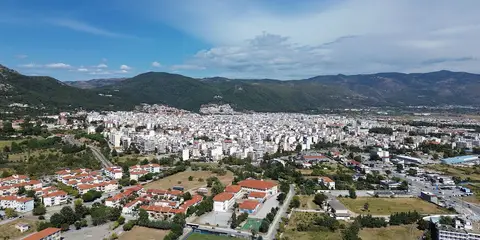
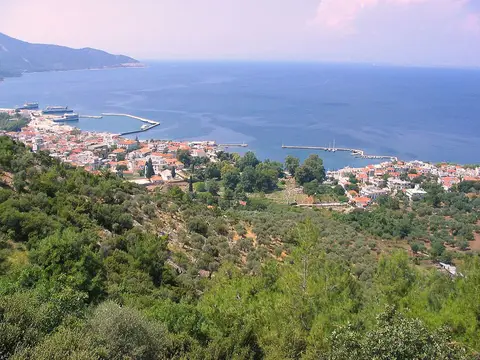
The region stretches from the Strymon River in the west to the Evros on the Turkish border. To the north, the forested Rhodope Mountains extend across the landscape, with villages of the Muslim minority dotting their slopes. The coast is partly flat, with lagoons such as the ones near Porto Lagos, and partly rocky. Off Kavala lies Thasos, and farther east the wild island of Samothrace, with Mount Fengari and its waterfalls. The Nestos Valley between Xanthi and Drama is a narrow gorge that you can explore on hiking trails or by kayak, and the Nestos Delta near Keramoti is rich in birdlife. The Dadia Forest is one of the most important breeding grounds in Europe for black vultures and griffon vultures.
Sights in Eastern Macedonia and Thrace
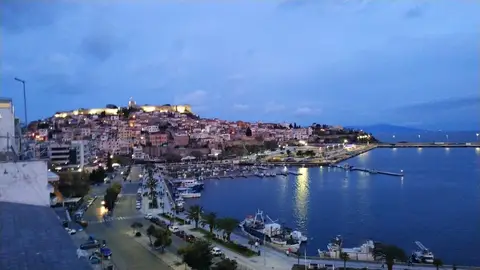
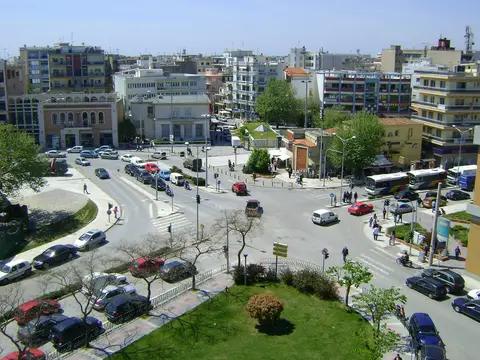
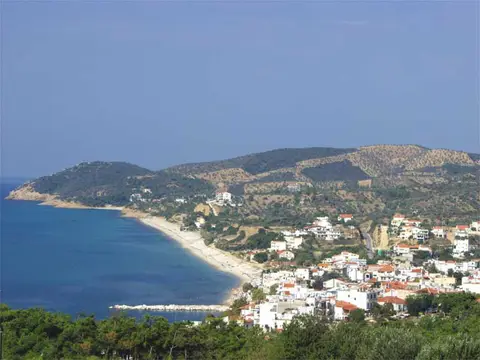
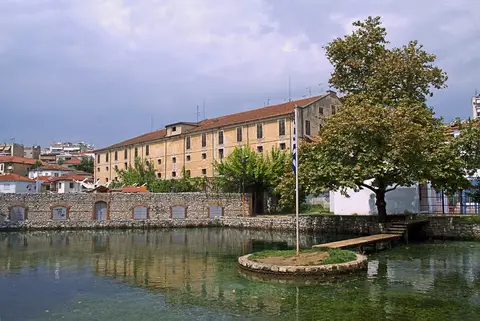
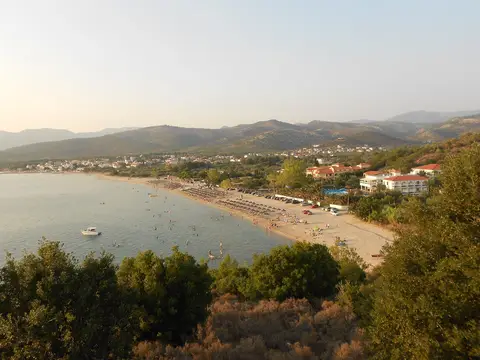
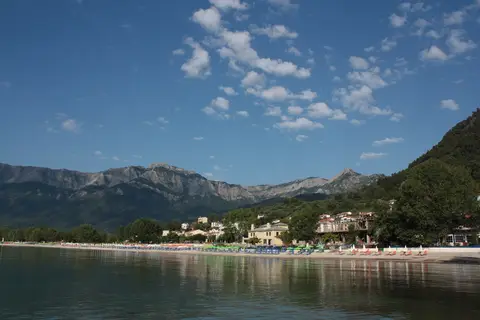
Kavala, the largest city, enchants with an old town on a peninsula, a Byzantine fortress, an Ottoman aqueduct and the Imaret, a former almshouse kitchen that is now a hotel. Nearby lies Philippi, where the Apostle Paul founded the first Christian community in Europe; the excavations are a UNESCO World Heritage Site. Thasos is thickly forested with pines and has marble beaches and lively towns such as Limenas and Limenaria, plus the long Golden Beach, Chrysi Ammoudia, on the east coast. Xanthi has a colorful old town with the mansions of tobacco merchants and a large Saturday market. Komotini, the administrative seat, is shaped equally by mosques and churches. Drama draws visitors with the springs of Agia Varvara and the wine of the surrounding area, and Alexandroupoli, with its lighthouse, is the starting point for the Evros Delta and the Dadia Forest, where rare vultures circle overhead. On Samothrace lies the Sanctuary of the Great Gods, where the famous Winged Victory of Samothrace was found; it now stands in the Louvre. On Thasos, a mountain road leads to villages such as Theologos, a contrast to the beaches.
Culture and History
Thrace is home to a recognized Muslim minority of Turks, Pomaks and Roma, whose villages, mosques and markets shape the character of the region. The region became part of Greece after the Balkan Wars in 1913 and after World War I. Kavala and Xanthi owed their wealth in the 19th century to the tobacco trade. In Komotini and Xanthi, mosques stand beside Orthodox churches, and in the markets you hear both Turkish and Greek. You reach the Pomak mountain villages north of Xanthi via winding roads.
Food, Getting There and Best Time to Visit
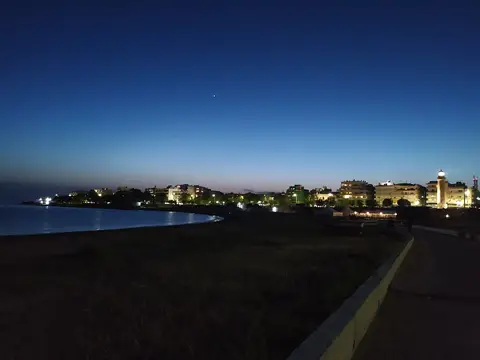
The cuisine is strongly influenced by the Orient: kavourmas, meat preserved in its own fat, dishes with cumin and paprika, and sweets from the pastry shops of Xanthi such as the chocolate-coated kariokes are all part of it. Kavala is known for kourabiedes, Thasos for honey and olives. Kavala and Alexandroupoli have airports, and the Egnatia Odos motorway connects the region with Thessaloniki. Ferries to Thasos depart from Keramoti and Kavala. The best time to visit is from May to October. Soufli in the Evros area is known for its silk tradition, which a museum documents, and around Drama, wineries invite you to tastings.