Discover Thessaloniki: The White Tower, Byzantium, and Bougatsa
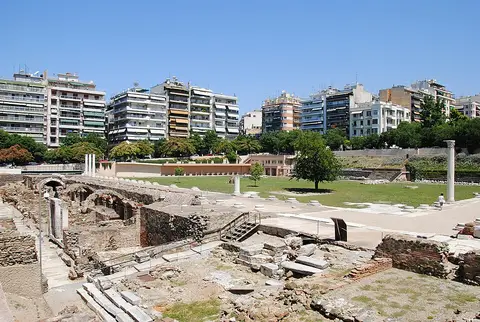
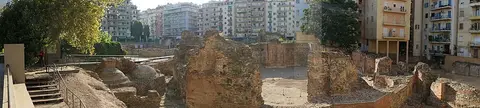
Travel guide · editorialThessaloniki is Greece's second-largest city and perhaps its most delicious: a long waterfront promenade, Roman ruins tucked between apartment blocks, and a cuisine shaped by Byzantines, Ottomans, and Sephardic Jews. The city is young, full of students, and far more laid-back than Athens. A city break in Thessaloniki combines history, sea, and long evenings in tavernas.
A City of Many Cultures
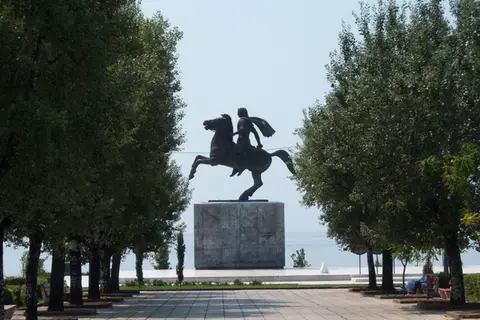
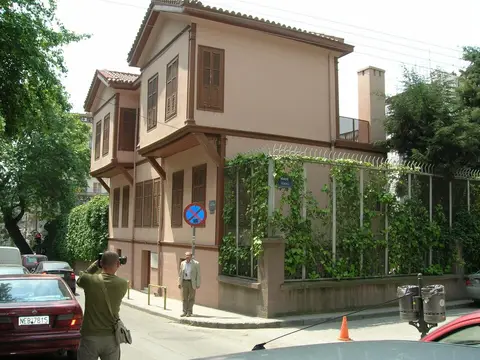
In 315 B.C., the Macedonian king Cassander founded the city and named it after his wife Thessalonike, a half-sister of Alexander the Great. Under the Romans it lay on the Via Egnatia, and under the Byzantines it was the empire's second most important city after Constantinople. After the Ottoman conquest in 1430, Thessaloniki became one of the largest Jewish cities in the world, after Sephardic Jews expelled from Spain settled here; the Jewish community was almost entirely murdered in the Holocaust. Mustafa Kemal Atatürk was born here in 1881, the city became part of Greece in 1912, and in 1917 a great fire destroyed large parts of the center.
Sights in Thessaloniki
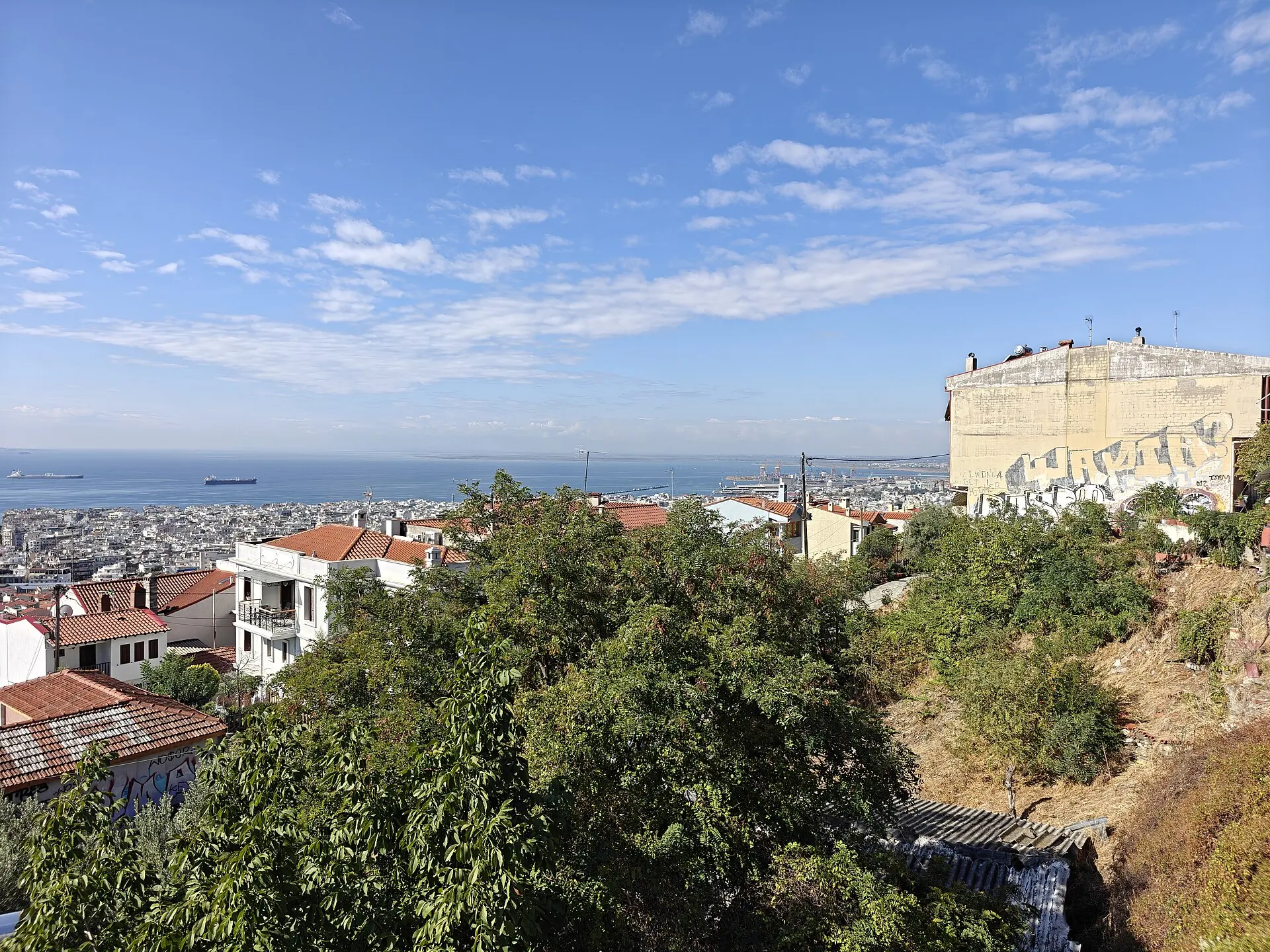
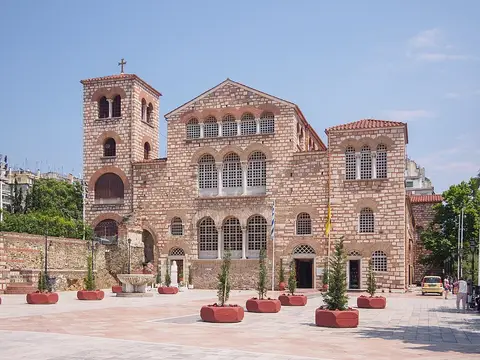
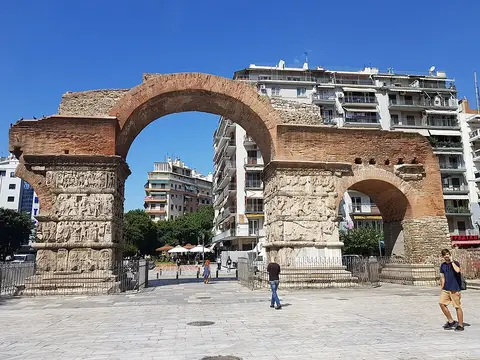
The White Tower on the waterfront, once part of the Ottoman fortifications and a prison, is the city's landmark and houses a city museum. The Nea Paralia promenade stretches for miles along the sea, with sculptures such as Giorgos Zongolopoulos's "Umbrellas." The Rotunda, originally built as a mausoleum for Emperor Galerius and later a church and a mosque, stands next to the Arch of Galerius, with reliefs of Roman battles, in the Kamara district. The churches of Agios Dimitrios and Agia Sofia, with their Byzantine mosaics, are UNESCO World Heritage sites. Ano Poli, the upper town with its wooden houses and winding lanes, ends at the Byzantine city walls and the Eptapyrgio fortress, from which you can look out over the city and the gulf all the way to Mount Olympus. The Archaeological Museum and the Museum of Byzantine Culture are among the best in Greece.
Eating in Thessaloniki
Thessaloniki is considered Greece's culinary capital and has been named a City of Gastronomy by UNESCO. Breakfast means bougatsa, flaky pastry filled with semolina custard or cheese, and koulouri, sesame bread rings. The Modiano and Kapani markets are full of olives, spices, and fish. In the ouzeri of the Ladadika district, once a warehouse area for oil and now an entertainment quarter, you can enjoy meze, mussels, and grilled sardines. Dessert means trigona panoramatos, cream-filled pastry cones. Thanks to the students, the nightlife in Ladadika and around Aristotelous Square is lively.
Festivals and City Life
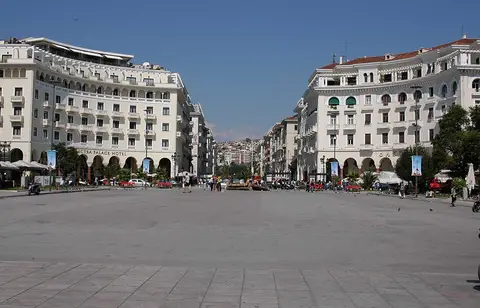
In November, the Thessaloniki International Film Festival is one of the most important in southeastern Europe, and in September the International Fair draws visitors from across the region. Everyday life centers on Aristotelous Square, designed after the great fire, and the pedestrian street Agias Sofias. At sunset, locals stroll along the promenade while the view stretches across the gulf to Mount Olympus.
Getting Around and Best Time to Visit
Makedonia Airport (SKG) is about 9 miles (15 km) southeast of the center, and buses run into town. After decades of construction, delayed by archaeological finds, the metro opened at the end of 2024; some stations display the excavations. The best times to visit are spring and fall. Day trips lead to the Chalkidiki peninsula with its beaches, to Vergina and the royal tombs of Macedonia, or to Mount Olympus, the highest mountain in Greece.