Belgium Travel Guide: Cities, Coast, and the Ardennes
Travel guide · editorialBelgium is small enough to cross from the North Sea coast to the Ardennes in a week, yet so layered that after every visit you feel you've only just begun. A trip to Belgium takes you to Gothic town halls, canals, and breweries, and if you vacation here, you'll eat better than in many larger countries.
Flanders, Wallonia, and the Capital
Belgium is a federal state made up of three regions. In the north lies Dutch-speaking Flanders, flat, densely populated, and shaped by the old medieval trading cities. In the south stretches French-speaking Wallonia, with the forested Ardennes, deeply cut river valleys of the Meuse, Ourthe, and Semois, and castles like the one in Bouillon. In between lies the bilingual Brussels-Capital Region. In the far east, around Eupen and Sankt Vith, there is also a German-speaking community with its own parliament.
The country surprises with its scenic range. Along the roughly 70-kilometer coast, broad sandy beaches and dunes stretch out, and the Coast Tram connects all the seaside resorts from De Panne to Knokke. In the High Fens, an upland bog landscape on the German border, wooden boardwalks lead across peat moss and cotton grass, and in the Ardennes you'll find kayak tours on the Lesse and stalactite caves like the Caves of Han.
Sights in Belgium: The Cities
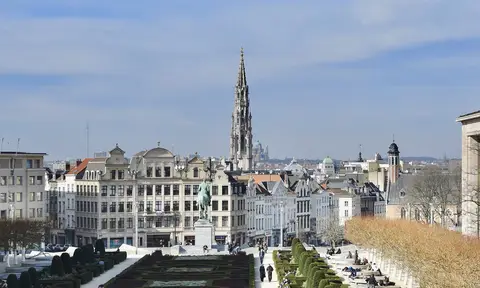
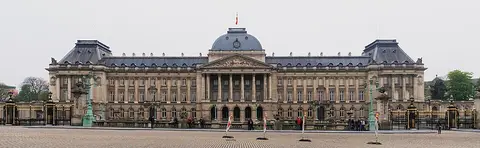
Brussels is home to the most important EU institutions and NATO, but everyday life happens elsewhere. The Grand-Place with its gilded guildhalls is considered one of Europe's most beautiful squares, and a few corners away stands the tiny Manneken Pis. The Atomium in the north of the city dates from the 1958 World's Fair, and Victor Horta's Art Nouveau townhouses are UNESCO World Heritage sites. Neighborhoods like Ixelles, with its cafés, African shops in Matongé, and flea markets, show the city's multicultural side.
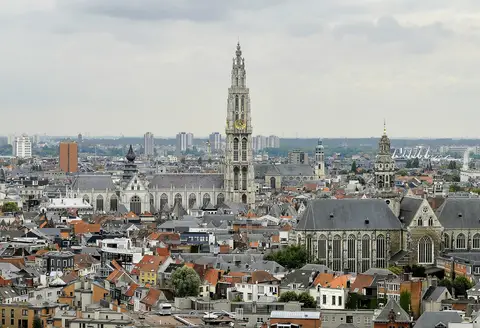
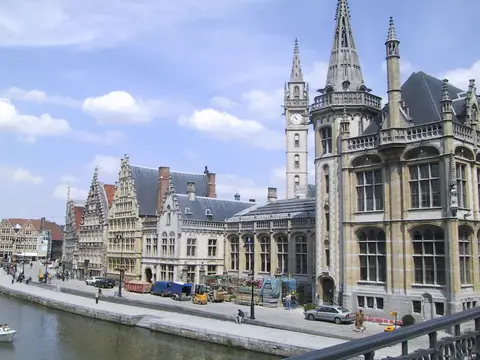
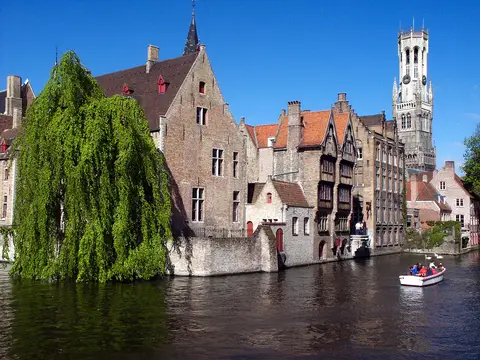
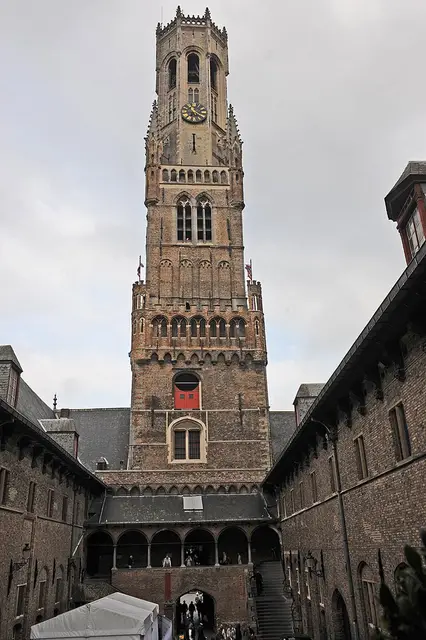
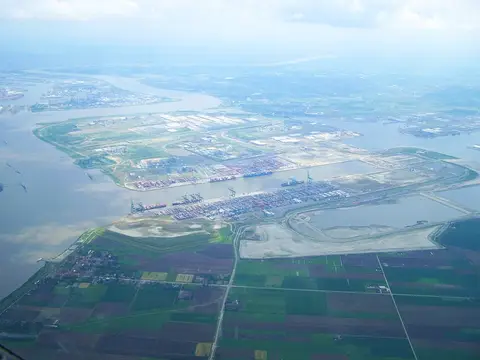
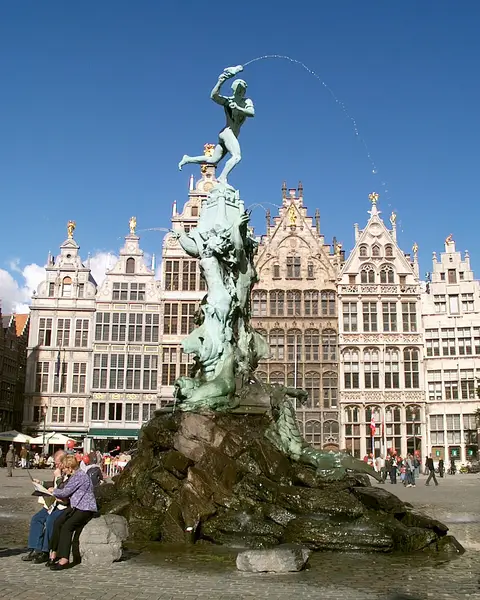
Antwerp is the city of diamonds, fashion, and the Baroque painter Rubens, whose house and works in the Cathedral of Our Lady you can see. The central station with its domed hall is among the most beautiful train stations in the world, and the Museum aan de Stroom offers a sweeping view of the port from its roof. Bruges, with its canals, béguinage, and belfry, feels like an open-air museum of the Middle Ages and is correspondingly busy. Ghent is livelier and more student-oriented, but with the Ghent Altarpiece by the van Eyck brothers in St. Bavo's Cathedral, it holds one of the most significant works of art in Europe.
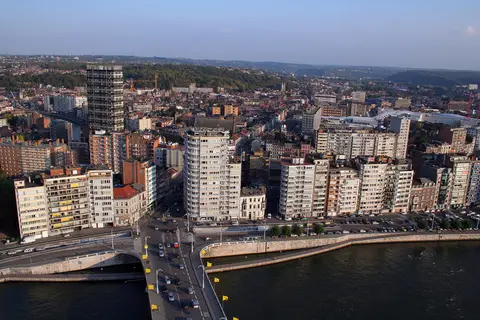
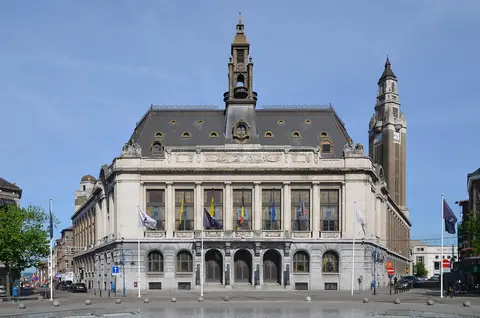
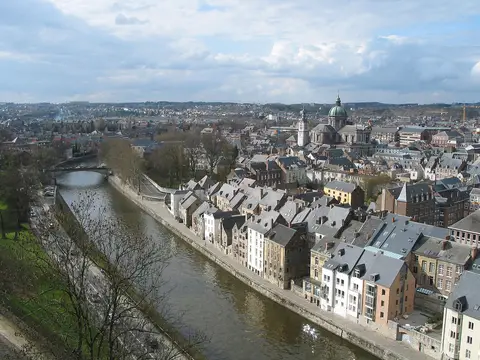
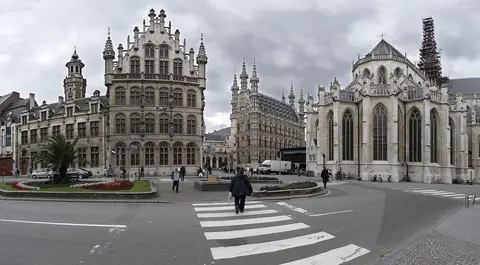
Other Belgian destinations include Leuven, with its Gothic town hall facade and the country's oldest university; Liège, with the spectacular Guillemins station and the Sunday La Batte market; Namur, with its citadel above the confluence of the Sambre and Meuse; and Ostend, where the painter James Ensor lived. Charleroi, long dismissed as a gray industrial city, has reinvented itself with street art and industrial heritage.
History and Culture
For centuries, the territory of present-day Belgium was a stage for European power struggles, from the Burgundians to the Spanish and Austrians to Napoleon, who lost his final battle in 1815 at Waterloo, south of Brussels. The independent state was not founded until 1830. In World War I, the Western Front ran through Flanders, and around Ypres, military cemeteries and the Menin Gate commemorate the dead. There, the Last Post is still played every evening at 8 p.m.
Belgium has a special relationship with comics. Tintin, the Smurfs, and Lucky Luke all come from here, and in Brussels, large-scale comic murals decorate entire building facades. In painting, the lineage runs from Jan van Eyck and Pieter Bruegel to René Magritte. Among the festivals is the Carnival of Binche, where the Gilles dance through the streets in wax masks and ostrich feathers, throwing oranges into the crowd.
Food and Drink
Belgium takes its food seriously. French fries, called frieten or frites here, are fried twice and sold in a paper cone with mayonnaise or sauce andalouse. Moules-frites, mussels with fries, are a classic on the coast and in Brussels. Flemish beef stew braised in beer, waterzooi from Ghent, and chicory baked with ham and cheese are all part of home cooking. Waffles come in two varieties: the rectangular Brussels waffle and the sweeter, caramelized Liège waffle.
Then there's the beer. Belgian beer culture is part of UNESCO's intangible cultural heritage, and hardly any country has as many varieties: Trappist beers from abbeys such as Westvleteren, Chimay, or Orval, sour lambic and gueuze beers from the Pajottenland, kriek with cherries, and strong tripels. Every beer has its own glass. Pralines from chocolatiers in Brussels, Antwerp, and Bruges round off the indulgence.
Getting There and Getting Around
The main airport is Brussels Airport (BRU) in Zaventem; budget airlines usually land at Brussels South Charleroi (CRL), and there are also Liège (LGG) and Antwerp (ANR). From Germany, the train is convenient: ICE and Eurostar connect Cologne to Brussels via Aachen and Liège in under two hours. The rail network is dense and distances are short; Bruges, Ghent, and Antwerp are each about an hour or less from Brussels. Highways are toll-free, but Brussels, Antwerp, and Ghent have low-emission zones for which foreign vehicles must register in advance.
Best Time to Visit Belgium
The best time to visit Belgium is between May and September, when daytime temperatures range from 18 to 24 degrees Celsius (about 64 to 75°F) and sidewalk cafés and beaches are full. It rains in every season, so always pack an umbrella. Spring brings floral splendor, for example in the Hallerbos south of Brussels, where the forest floor turns blue with bluebells in April. In fall, the Ardennes are especially beautiful, and in December Christmas markets in Brussels, Ghent, and Bruges beckon. The cities can be visited year-round.