Discover Charleroi: Slag Heaps, Mining and Photography
Travel guide · editorialMost travelers know Charleroi only from its airport, where budget airlines land from all over Europe. But if you see a trip to Charleroi as more than just a stopover, you'll find a rugged, honest industrial city in transition, with greened coal slag heaps, moving mining history, one of Europe's most important photography museums and a comics tradition that is still alive today.
Fortress and Black Country
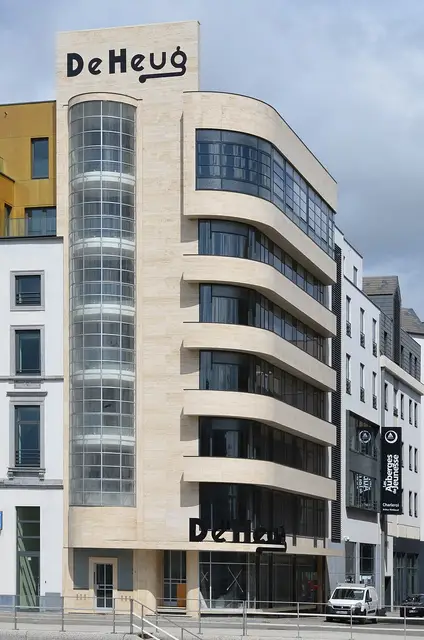
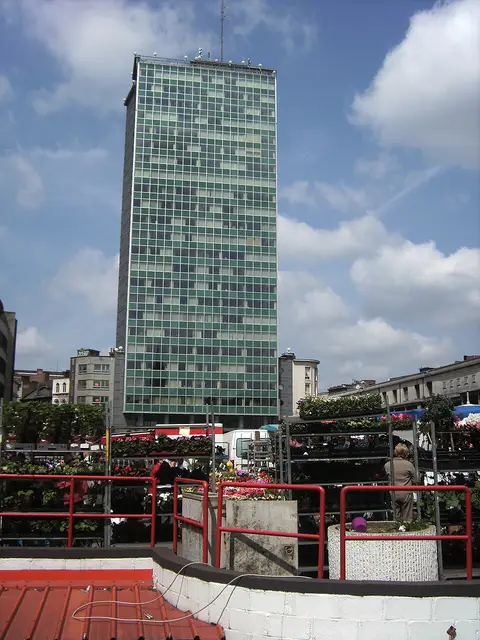
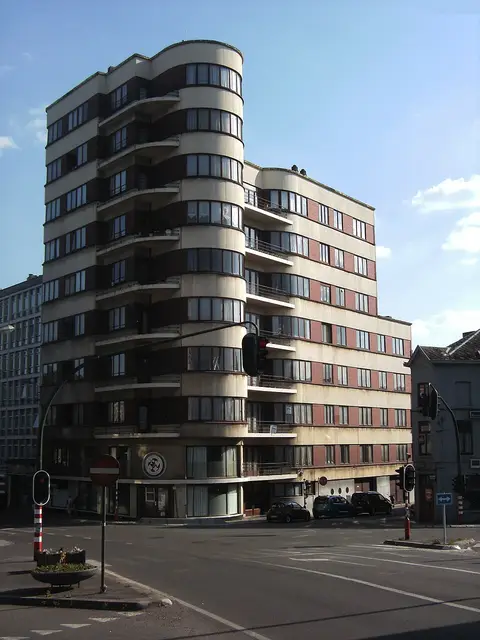
Charleroi was founded in 1666 as a fortress and named after the Spanish King Charles II; soon afterward, Vauban expanded it for the French. Even today, the layout of the Ville Haute, the upper town, with its star-shaped streets, reflects the old fortress. In the 19th century, the region became the Pays Noir, the Black Country, with its coal mines, blast furnaces and glassworks, one of the most densely industrialized areas in Europe. Thousands of workers came from Italy and other countries. After the end of heavy industry, Charleroi struggled with unemployment and vacant buildings, and a Dutch newspaper once named it the ugliest city in the world. Since then, the city has spruced up its center with new squares, shopping centers and cultural projects.
Sights in Charleroi
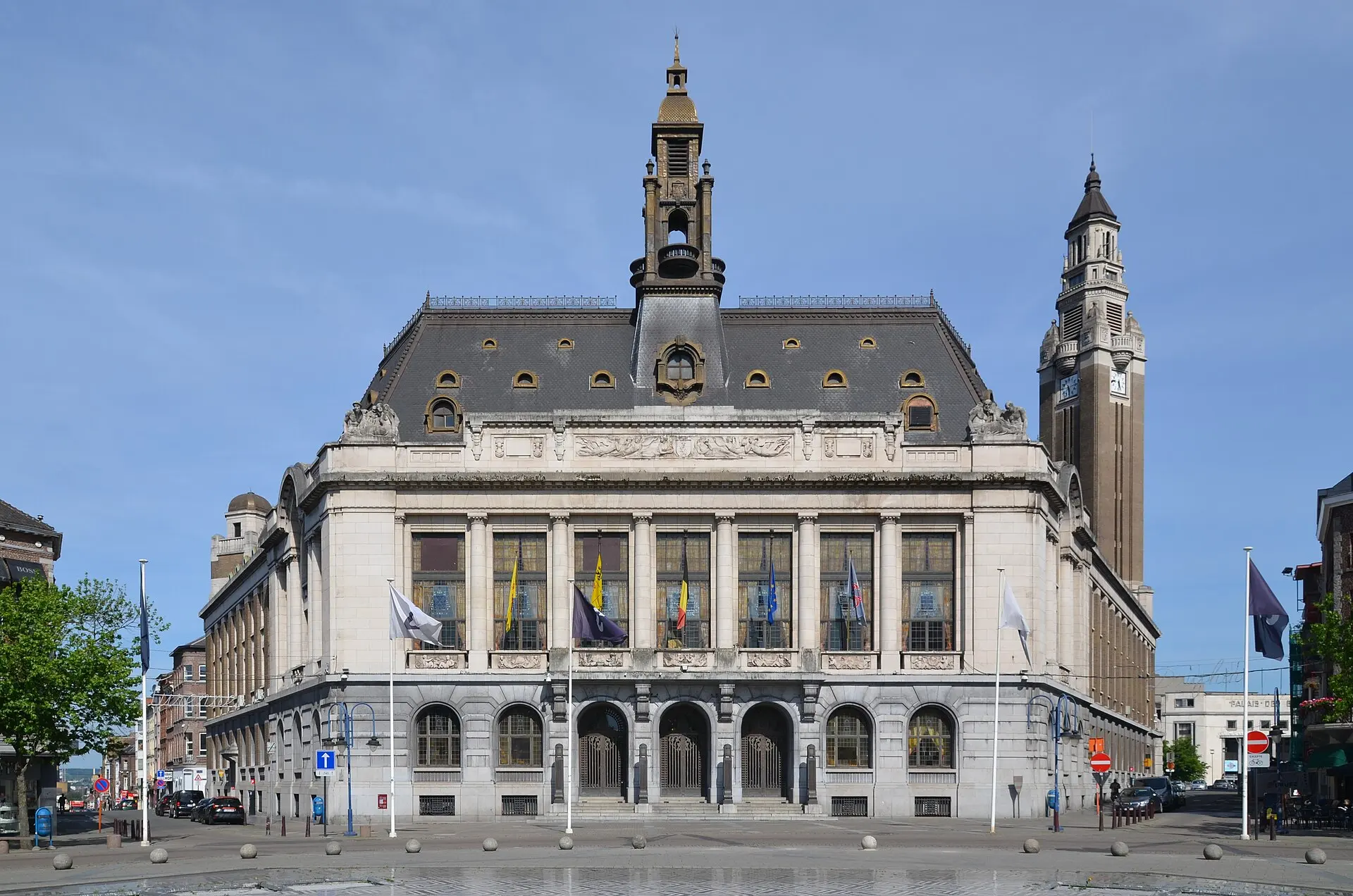
In the suburb of Marcinelle lies the Bois du Cazier, a former coal mine where a mining disaster in 1956 claimed the lives of 262 miners, including 136 Italians. The memorial site, with its winding towers, industrial museum and glass museum, is part of the UNESCO World Heritage listing for the major mining sites of Wallonia. In Mont-sur-Marchienne, the Musée de la Photographie, housed in a former monastery, displays one of the largest photography collections in Europe. The Art Deco city hall is topped by a belfry that belongs to the UNESCO World Heritage listing of belfries. BPS22 is a museum of contemporary art in an old industrial hall. The slag heaps around the city, the terrils, are now green and can be climbed on hiking trails; from the top you can take in the industrial landscape.
Comics and Street Art
The publisher Dupuis is based in Marcinelle; it has published the magazine "Spirou" since 1938, and comic artists such as the creators of Marsupilami and the Smurfs published their work here. Statues of Spirou and other characters stand in the city center, and numerous murals turn gray facades into art. Alternative city tours deliberately show the city unvarnished, with its rough edges and ruins.
Eating and Going Out
The cuisine is down-to-earth Walloon: boulettes (meatballs) with tomato sauce, fries from the friterie, carbonnade (beef stewed in beer sauce) and waffles. Many restaurants have Italian roots, as the descendants of the miners shape the local food scene. In the Ville Basse and around the Place du Manège you'll find pubs and bars, and at Quai10 a cinema and gaming culture center with a café.
Getting There and Best Time to Visit
Brussels South Charleroi Airport lies just a few kilometers to the north, with buses running into the city and to Brussels. By train, you can reach the capital in just under an hour. The Metro, a light rail system with some lines that never went into operation, connects the center with the suburbs. The best time to visit is from May to September, when hikes on the slag heaps are most rewarding. Excursions lead to the boat lifts on the Canal du Centre, also a UNESCO World Heritage site, and to Aulne Abbey.