Discover Ghent: The Lamb Altarpiece, Canals, and Student Life
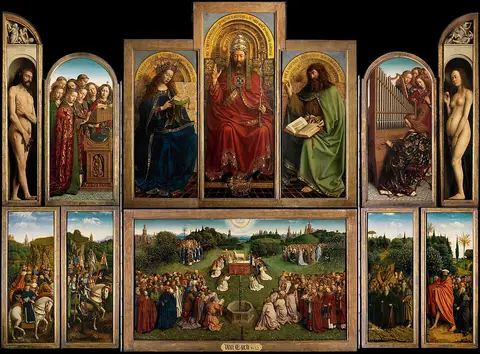
Travel guide · editorialIn the half-light of a chapel in St. Bavo's Cathedral glows an altarpiece that is considered one of the most important works of European painting and has been stolen several times. A city break in Ghent takes you to the van Eyck brothers, to medieval guild houses along the Leie, to a knight's castle in the middle of the city, and into the nightlife of one of Belgium's biggest student cities.
A City of Cloth Makers
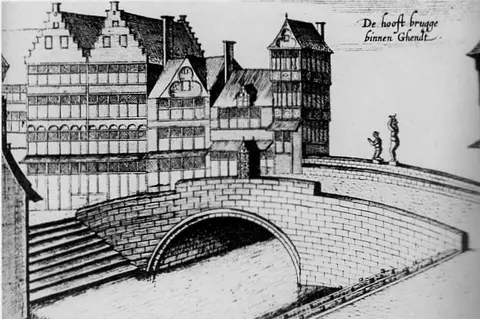
In the Middle Ages, Ghent was, after Paris, one of the largest cities north of the Alps. Weavers processed English wool, and the citizens' self-confidence showed in the belfry, churches, and guild houses. Emperor Charles V was born in Ghent in 1500, but later made the rebellious citizens beg for mercy with nooses around their necks; that's why the people of Ghent are still called Stroppendragers, or noose bearers. In the 19th century, Ghent became the continent's first industrial city thanks to its cotton mills. Today the university and a young, green city government shape life here, and the old town is largely car-free.
Sights in Ghent
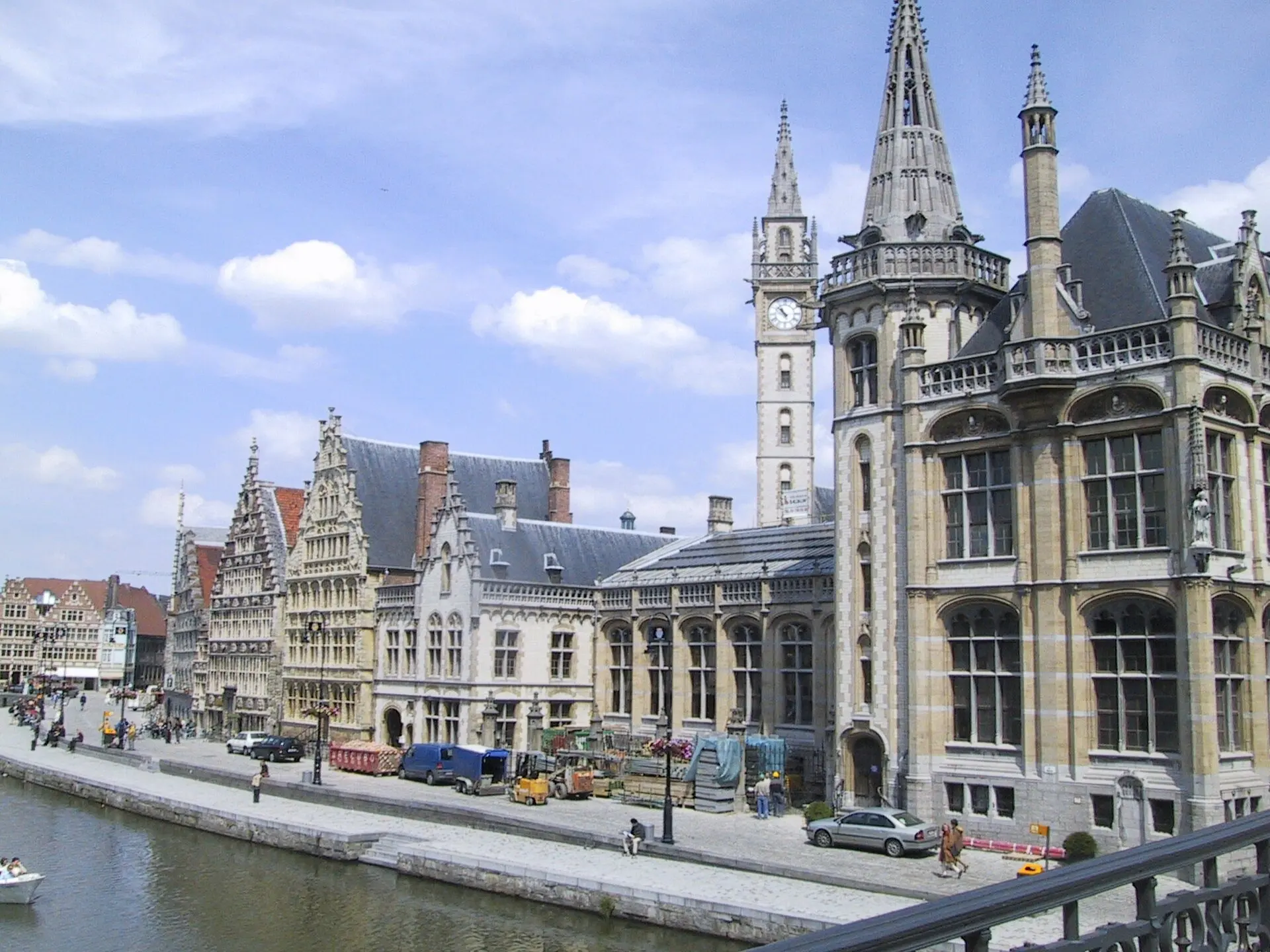
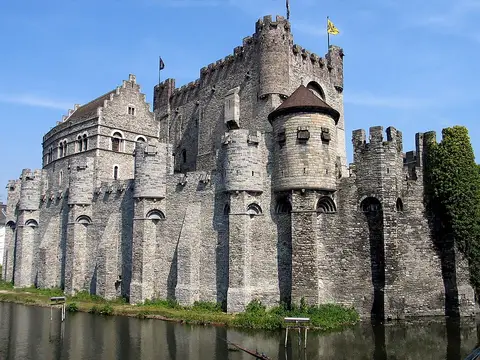
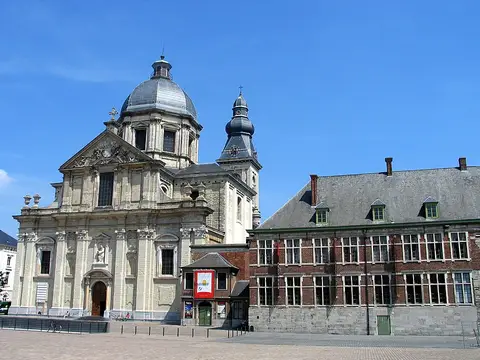
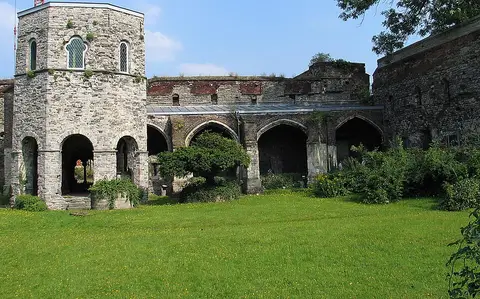
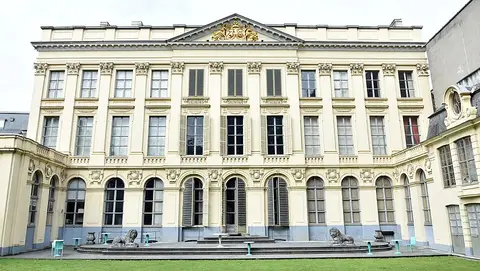
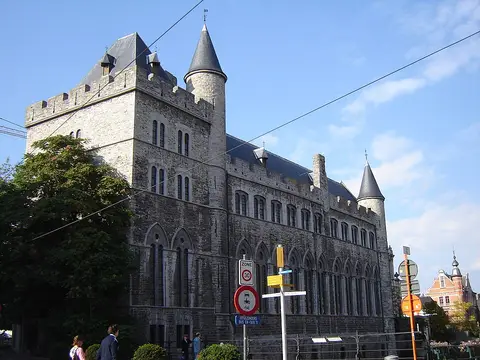
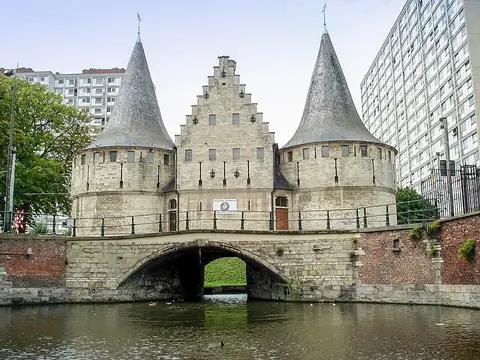
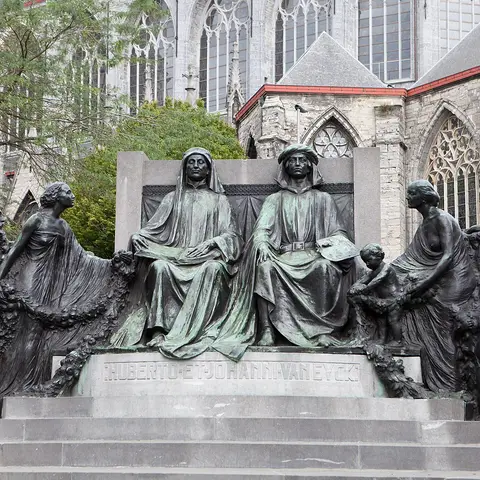
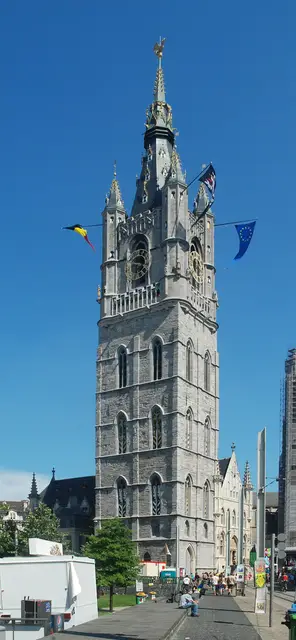
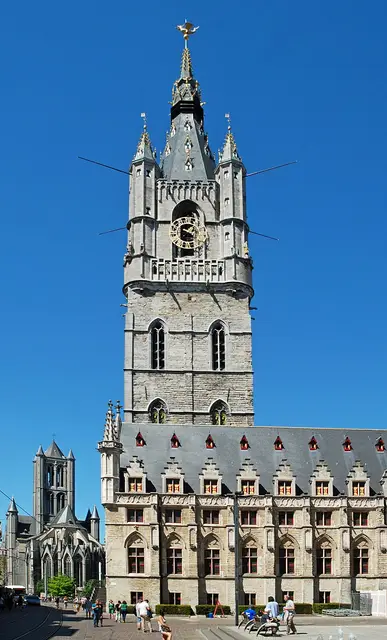
St. Bavo's Cathedral houses the Ghent Altarpiece by the brothers Hubert and Jan van Eyck from 1432, the "Adoration of the Mystic Lamb," whose painstakingly restored panels are explained with augmented reality in a new visitor center. Opposite rises the Belfry, whose tower offers a view over the city's three towers. Gravensteen Castle, with its battlements and moat, dates from the 12th century and houses an exhibition on weapons and torture. The best view is from the Sint-Michielsbrug onto Graslei and Korenlei, where guild houses from different centuries are reflected in the water. In Citadelpark you'll find the Museum of Fine Arts (MSK) and the Museum of Contemporary Art (S.M.A.K.), while the former abbey that houses STAM tells the story of the city.
Neighborhoods and Going Out
The Patershol, a labyrinth of cobblestone lanes behind the castle, is the city's restaurant district. Vrijdagmarkt, the big market square lined with pubs, was once a gathering place for rebels. Werregarenstraat is an alley whose walls may be sprayed over again and again. In the Sint-Amandsberg district lies the Great Béguinage, a quiet complex of small houses and gardens that is a UNESCO World Heritage Site; Ledeberg to the south is a lively residential neighborhood. Students party around Overpoortstraat, considered Belgium's densest street of pubs.
Food and Festivals
Typical dishes include waterzooi, a creamy stew with chicken or fish, along with stoverij, beef in beer sauce, and cuberdons, cone-shaped purple candies with raspberry syrup that locals call Neuzekes. Mustard from the Tierenteyn shop has been filled from wooden barrels since the 18th century. In 2009, Ghent became the first city in the world to introduce an official vegetarian Thursday, and many restaurants offer meat-free cuisine. In July, the Gentse Feesten turn the city into a stage for ten days, with concerts, street theater, and open-air pubs.
Getting There and Best Time to Visit
From Gent-Sint-Pieters station, trains reach Brussels and the airport beyond in about 30 minutes, and a tram takes you to the center. Bruges is only half an hour away. The best times to visit are spring, late summer, and July for the Feesten.