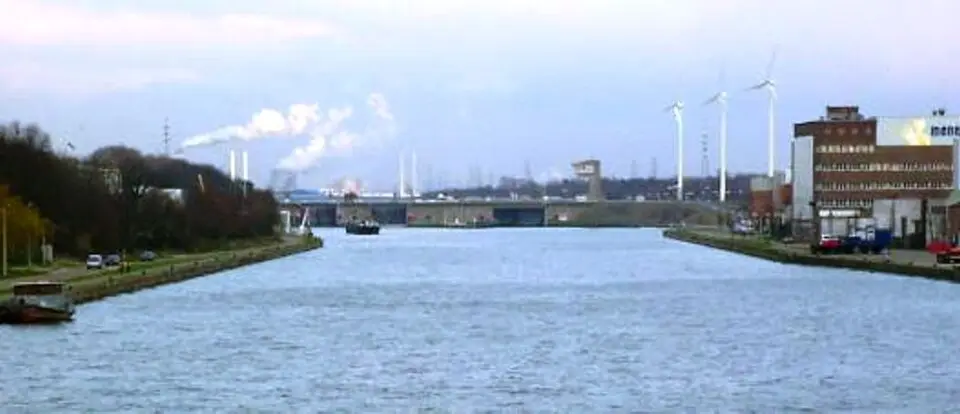
About Canal Albert
The Albert Canal is an artificial waterway connecting the Belgian cities of Liège and Antwerp over a stretch of just under 130 kilometers. It was built between 1930 and 1939 to give people living along the Meuse direct access to the North Sea without having to cross Dutch territory. The waterway project was named after King Albert I, who laid the foundation stone before the canal officially opened in 1939. This feat of infrastructure drastically shortened the journey by ship between the two cities from seven days to less than one, making the canal a vital artery for freight traffic.
Along its course, the canal overcomes a difference in elevation of about 56 meters by means of six lock complexes. The section near Kanne is especially striking, where the waterway cuts through a limestone massif. This is the site of the historic Fort Eben-Emael, which was the scene of a notorious airborne operation in World War II. During the war, many bridges were blown up, but the canal reopened to shipping in 1946. Since then, the infrastructure has been modernized several times to accommodate larger vessels and push-tow convoys. Today the Albert Canal is vital not only for transporting millions of tons of freight per year, but also for the drinking water supply of the Antwerp region, which depends on Meuse water carried by the canal.
For visitors and travelers, the canal offers a fascinating mix of industrial history and varied scenery. Large industrial areas have established themselves along its banks and shape the region's economic character. The numerous bridges, whose clearance height has been raised in recent years to make container shipping easier, bear witness to the waterway's continuous expansion. Anyone traveling along the canal experiences an active transport artery that is deeply woven into the history of Belgium and its international trade connections.
At a glance
- Category
- Sight › Historic sites
- Rating
- no reviews yet · write a review
- Address
- —
Liège, Belgium - Phone
- —
- Website
- —
- —
- Coordinates
- 50.65000° N · 5.60000° E
- Data quality
- confidence 0.81
- Identifier
- ID 580c2e43-cd0…
Location & surroundings
Toggle layersFAQ about Canal Albert
quick answersWhat is the Albert Canal in Liège?
The Albert Canal (Canal Albert) is an artificial waterway that connects Liège and Antwerp in Belgium over a stretch of just under 130 kilometers. Along its course, it overcomes an elevation difference of about 56 meters using six lock complexes. Today it is an important artery for freight traffic, carrying millions of tons of cargo per year, and it also supplies the Antwerp region with drinking water drawn from the Meuse.
When and why was the Albert Canal built?
The Albert Canal between Liège and Antwerp was built from 1930 to 1939 to give residents along the Meuse direct access to the North Sea without having to cross Dutch territory. It is named after King Albert I, who laid the foundation stone before the canal was officially opened in 1939. As a result, the shipping time between the two cities dropped from seven days to less than one.
What role did the Albert Canal play in World War II?
During World War II, the Albert Canal was the scene of significant fighting, and many of its bridges were blown up. At the section near Kanne, where the canal cuts through a limestone massif, you'll find the historic Fort Eben-Emael, which became famous for a notorious airborne operation. The canal reopened to shipping in 1946 and has been modernized several times since, including the addition of higher bridges for container shipping.
What can you see around the Albert Canal in Liège?
According to travelguide195, two cultural venues are located less than a kilometer from the Albert Canal in Liège. New Space, a venue for contemporary art, is about 672 meters away, and Expo Liège is about 797 meters away. For a break, travelguide195 also lists 12 restaurants within 500 meters.
Ratings & comments
none yetNear Canal Albert
closest 5 per category · 2 kmSights
Museums
Hotels
More:Historic sites in Liège (69)All sights in Liège (87)
161 places within 2 km loaded.
Don't miss in Liège
All sights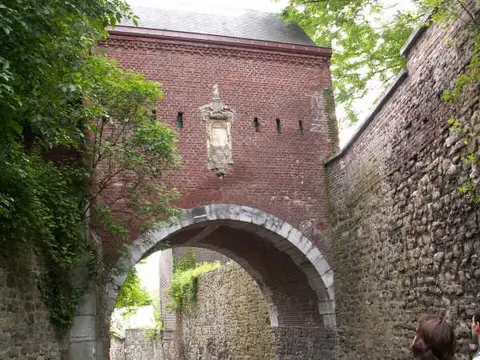 Monuments01
Fort de la Chartreuse
No address · Liège○ Website○ Phone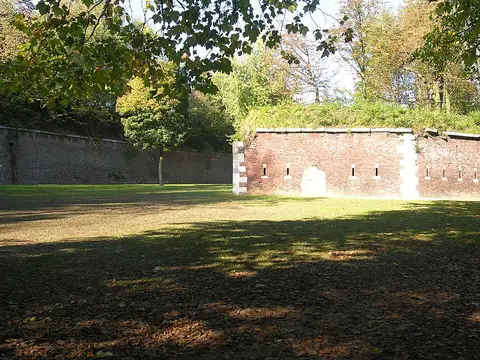 Historic sites02
Citadel van Luik
No address · Liège○ Website○ Phone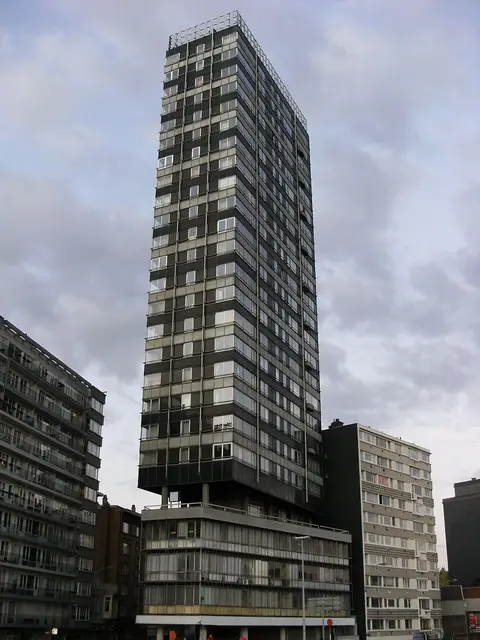 Historic sites03
Residence Georges Simenon
Quai de l'Ourthe 44 · Liège○ Website○ Phone Historic sites04
You need a free account to leave reviews and photos – that keeps comments genuine and lets you edit them later.