Brussels-Capital Region: A Portrait of Europe's Capital
Travel guide · editorialThe Brussels-Capital Region is small, bilingual, and more international than almost anywhere else in Europe: it is home to the European Commission, the Council, and NATO, and more than a third of its residents do not hold a Belgian passport. A vacation in the Brussels-Capital Region combines one of the most beautiful market squares in the world with Art Nouveau houses, comic-strip murals, and a pub culture in which beer plays an almost sacred role. The region consists of 19 municipalities, each with its own character.
The Old Town Around the Grand-Place
Victor Hugo is said to have called the Grand-Place the most beautiful square in the world, and anyone who stands beneath the illuminated town hall tower in the evening will understand why. The Gothic town hall, the Bread House with the city museum, and the gilded guildhalls from the late 17th century form a harmonious ensemble that is a UNESCO World Heritage Site. Every two years in August, a giant carpet of flowers is laid out. A few steps away stands the Manneken Pis, smaller than many people expect, with a wardrobe of more than a thousand costumes. The Galeries Royales Saint-Hubert, built in 1847, are among the oldest covered shopping arcades in Europe, and the neighborhood around the Rue des Bouchers is lined with restaurants. The Cathedral of St. Michael and St. Gudula sits on the slope leading up to the Upper Town.
Sights in the Brussels-Capital Region
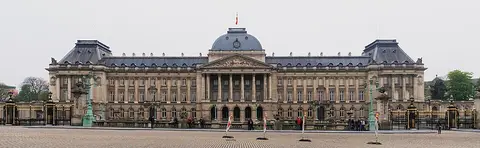
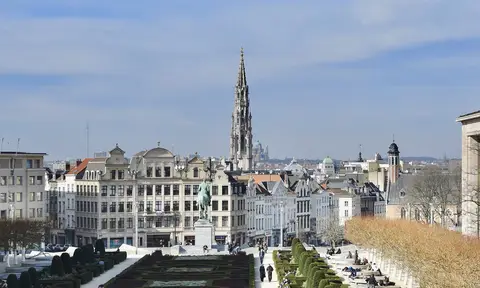
In the Upper Town around the Mont des Arts you will find the Royal Museums of Fine Arts with works by Bruegel and the Magritte Museum, as well as the Musical Instruments Museum in an Art Nouveau department store. The Royal Palace can be visited in summer, and the Palace of Justice, once the largest building of the 19th century, towers over the Marolles district with its daily flea market on the Place du Jeu de Balle. In the north, in Heysel Park, stands the Atomium, built for the 1958 World's Fair as an iron crystal cell enlarged roughly 165 billion times, with an observation sphere. In the European Quarter you can visit the Parlamentarium and the House of European History, and in Cinquantenaire Park you will find the triumphal arch, the Autoworld car museum, and the military museum.
Municipalities with a Face of Their Own
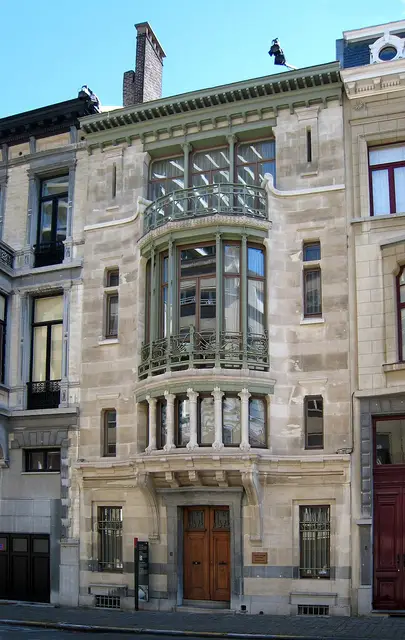
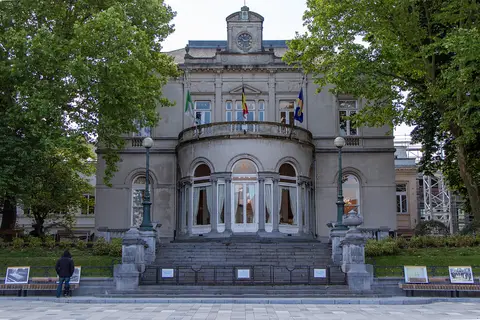
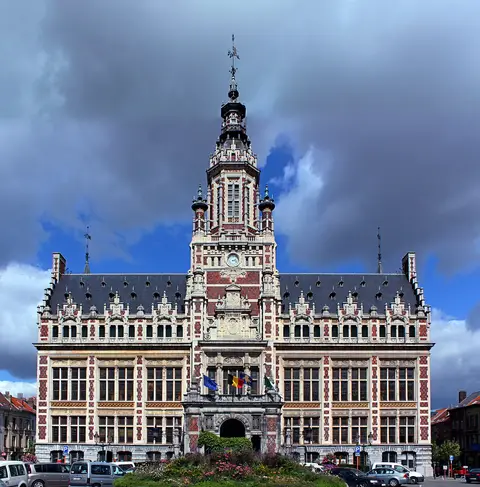
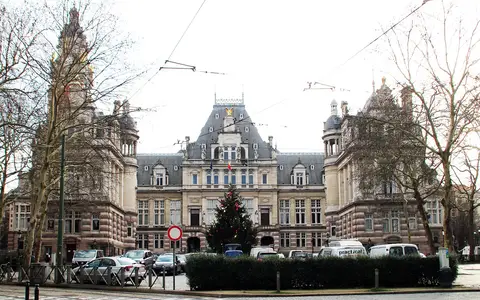
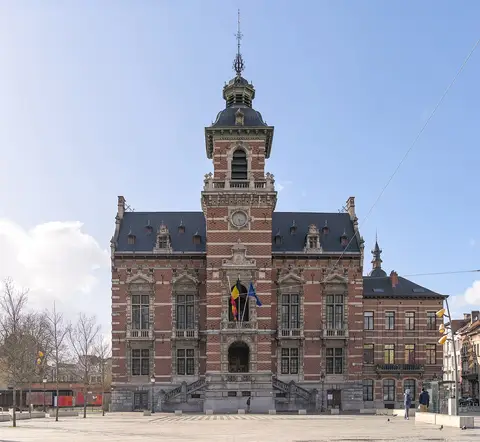
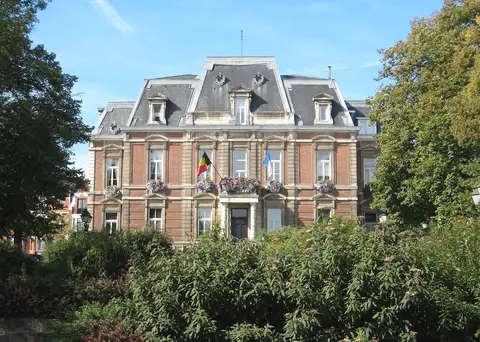
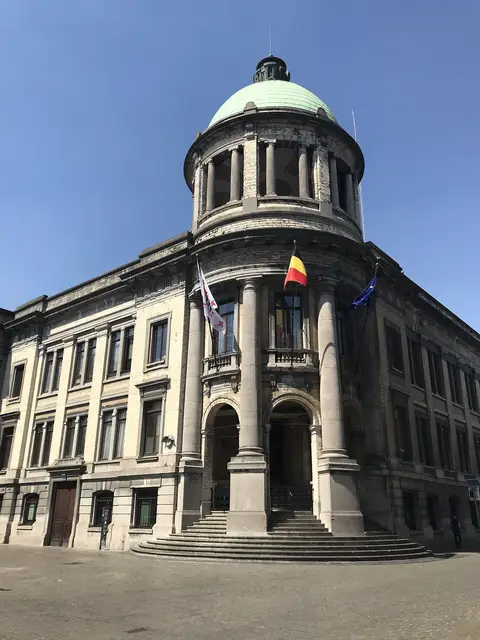
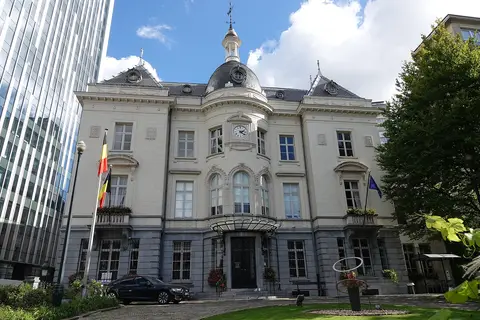
Brussels is more than its old town. Ixelles, called Elsene in Dutch, is the neighborhood of students, expats, and African communities around Matongé, with ponds, cafés, and the Place Flagey. Saint-Gilles, or Sint-Gillis, is a center of Art Nouveau; Victor Horta designed houses here and in Ixelles, and his own home can be visited as a museum and is part of the World Heritage Site. In Schaerbeek, or Schaarbeek, magnificent townhouses and Turkish restaurants line the streets, while Uccle, or Ukkel, is a green, affluent residential district of villas on the edge of the Sonian Forest. Anderlecht is known for its soccer club and the slaughterhouse market, Molenbeek-Saint-Jean, or Sint-Jans-Molenbeek, is changing with cultural venues such as the MIMA museum on the canal, and tiny Saint-Josse-ten-Noode, or Sint-Joost-ten-Node, is the most densely populated municipality in Belgium.
Comics, Culture, and Festivals
Brussels is the world capital of comics. Tintin, the Smurfs, and Lucky Luke all came from Belgian pens, the Comic Strip Museum in a Horta building tells their story, and dozens of building walls are painted with comic scenes. In summer the city celebrates with the historic Ommegang procession, and in Advent Christmas markets and a light show transform the old town.
Food and Drink
Mussels with fries, waffles, pralines from long-established chocolatiers on the Grand Sablon, and stoemp, a mashed potato dish with vegetables, are all part of the Brussels repertoire. The typical beer of the region is lambic, spontaneously fermented and the basis for gueuze and kriek; you can tour the Cantillon brewery in Anderlecht. Traditional pubs such as À la Mort Subite cultivate beer culture with wood paneling and waiters in aprons.
Best Time to Visit and Getting There
Brussels is a year-round destination; the best time for strolling is April through October, and the Advent season has its own charm. From Cologne, the trip by ICE takes just under two hours, and the Eurostar runs to London and Paris. Brussels Airport (BRU) can be reached by train in about 20 minutes, and Charleroi is connected by bus. Within the city, the metro, tram, and bicycle are the best ways to get around; the old town is best explored on foot anyway.