Discover Bruges: Canals, Flemish Primitives and Beer
Travel guide · editorialBeneath the cobblestones of Bruges' old town runs a two-mile (three-kilometer) beer pipeline connecting a brewery with its bottling plant. It suits a city that cherishes its medieval heritage while staying very much alive. A city break in Bruges takes you past canals, gabled houses and masterpieces of the Flemish Primitives.
Medieval Trading Metropolis
In the 13th and 14th centuries, Bruges was one of Europe's most important trading centers. Ships from Italy, Spain and the Hanseatic League reached the city via an inlet of the sea called the Zwin, merchants traded cloth, spices and wine, and in the house of the Van der Beurse family, traders met to conduct financial dealings, which is said to be the origin of the word "bourse" (stock exchange). The Dukes of Burgundy resided here, and painters such as Jan van Eyck and Hans Memling created their works in Bruges. When the Zwin silted up in the 15th century, the city lost its importance and fell into a long slumber that preserved its cityscape. In the 19th century, travelers rediscovered "dead Bruges," and since 2000 the old town has been a UNESCO World Heritage Site.
Sights in Bruges
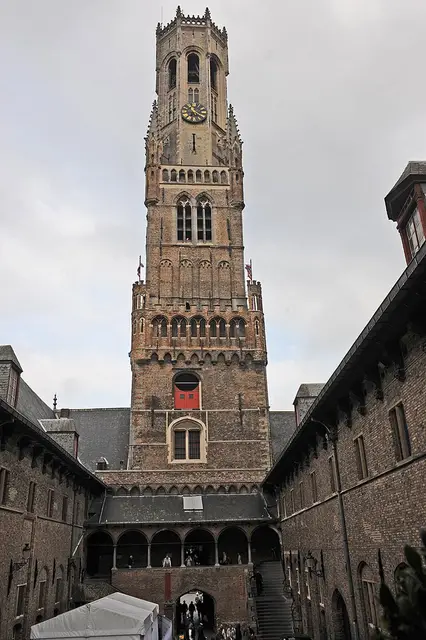
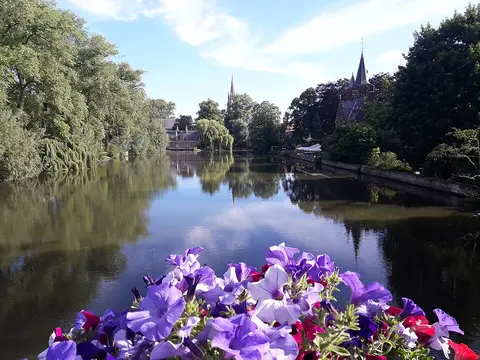
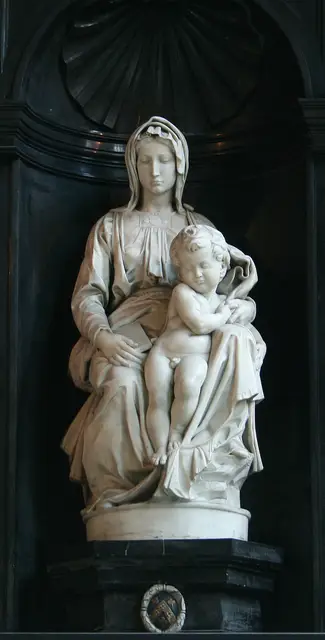
On the Markt stands the Belfry, 83 meters (272 feet) high, with a carillon of 47 bells; 366 steps lead to the top. The neighboring Burg square brings together the Gothic city hall and the Basilica of the Holy Blood, which houses a relic said to contain the blood of Christ; on Ascension Day, the Procession of the Holy Blood winds through the city. The Church of Our Lady holds a Madonna and Child by Michelangelo, one of the few works by the artist to leave Italy during his lifetime. The Groeninge Museum displays paintings by Jan van Eyck, Hans Memling and Hieronymus Bosch, and more works by Memling hang in the medieval Sint-Janshospitaal. The Beguinage, with its white houses around a meadow dotted with trees, and Minnewater lake are especially peaceful in the early morning.
Canals, Windmills and Neighborhoods
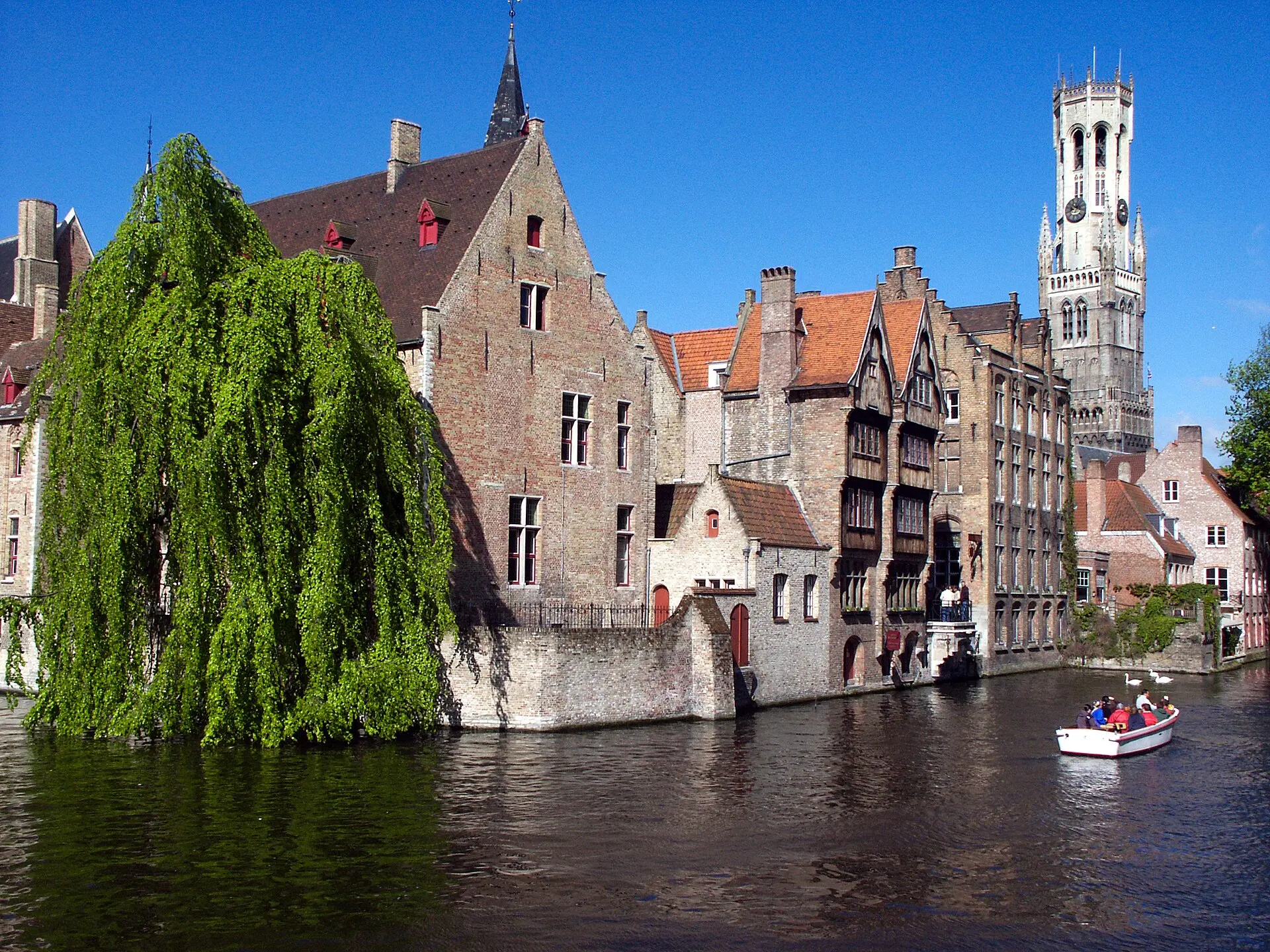
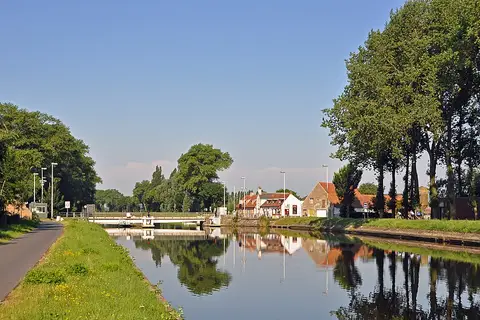
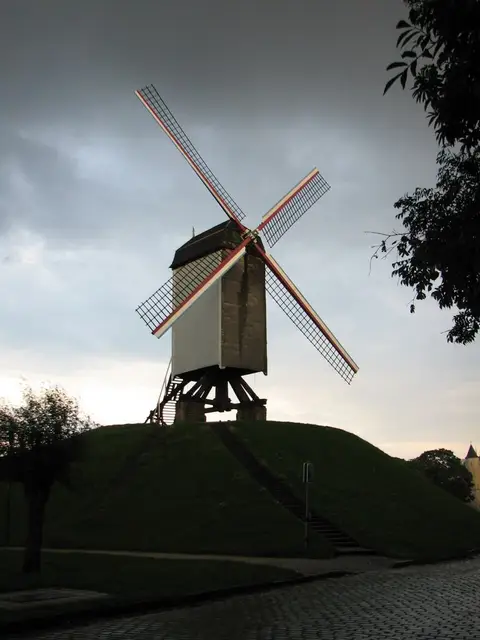
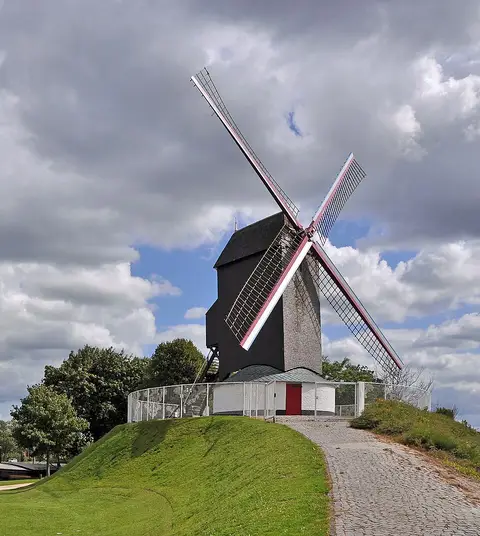
A boat ride on the reien, the canals, shows the city from a different perspective; the Rozenhoedkaai is the spot for the best-known photo. Four windmills still stand on the old city rampart along the Kruisvest. Off the main routes lies the quiet Sint-Anna district, with its lace center and Jerusalem Church. The municipality also includes Zeebrugge on the North Sea, a large port where cruise ships dock, and the Sint-Pieters district to the north.
Eating and Drinking in Bruges
The De Halve Maan brewery, in the old town since the 16th century, brews the beers Brugse Zot and Straffe Hendrik and operates the underground beer pipeline. Bruges is also known for pralines from dozens of chocolatiers, waffles, fries from the stand on the Markt, and Flemish dishes such as beef stewed in beer or mussels. The choice of hotels is large, and many visitors stay in restored patrician houses.
Getting There and Best Time to Visit
From Brussels Airport, the train takes about 90 minutes to Bruges; Ghent is 25 minutes away. The best times to visit are spring and fall; in summer and on weekends the old town gets very crowded, and overnight guests enjoy the quiet evenings after the day-trippers have left and the illuminated gables are reflected in the canals. In December, the Christmas market and ice rink turn the Markt into a winter wonderland.