About S e Catedral Basílica de Barcelona
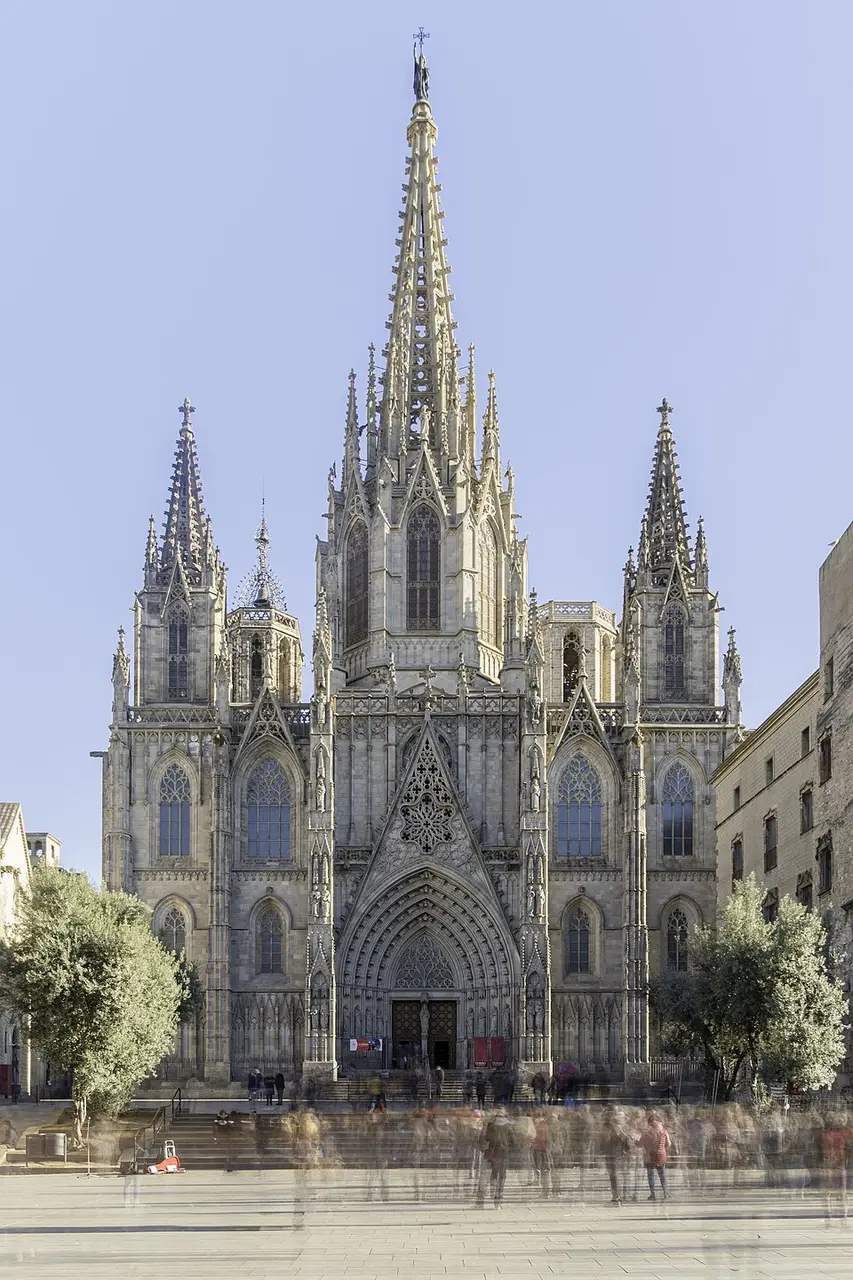
The Cathedral of the Holy Cross and Saint Eulalia in Barcelona is the religious center of the archdiocese and sits in the heart of the Gothic Quarter on the Pla de la Seu square. The third sacred building on this historic site, it combines the layers of its long construction history, which stretches from an early Christian basilica through a Romanesque church to the monumental Gothic cathedral. Its present-day appearance, however, is shaped above all by the neo-Gothic facade, built between 1886 and 1913, which gives the building its characteristic silhouette. Dedicated to the Holy Cross, one of the oldest patronages in the Christian world, and since the 9th century also under the protection of the city's patron saint, Eulalia, the cathedral is a protected monument of national importance.
The history of the site reaches far back into antiquity. Archaeological finds show that a three-aisled basilica already stood here in the 4th century, surrounded by the remains of Roman temples. This early church survived the Visigothic period and may have been converted into a mosque during the Muslim occupation. In 877, the remains of Saint Eulalia were brought here, making the site an important pilgrimage destination. The early Christian structures, including a baptistery with an octagonal baptismal font, can be seen today in the underground rooms of the Barcelona City History Museum, where you can explore the foundations of the first Christian communities on the site of today's cathedral.
After the destruction by the Moorish ruler Almanzor in 985, reconstruction was set in motion. Around 1046, a new, smaller Romanesque cathedral was built under Bishop Guislabert. This building had three naves with apses but no transept yet. Many elements of this Romanesque predecessor, such as sculptures and columns, were later incorporated into the Gothic new building. The actual start of today's cathedral dates to May 5, 1298, when the foundation stone was laid under Bishop Bernat Pelegrí and King James II of Aragon. Construction did not involve a complete demolition but rather a gradual expansion of the existing Romanesque building, with services maintained throughout the entire construction period.
The Gothic construction stretched over several centuries and was carried on by various master builders. The first phase concentrated on the choir and the crypt, which were completed in 1338. In the second phase, the naves were lengthened, the dome was erected, and work on the cloister began. Construction of the facade was badly delayed, however, so that it was not until the 19th century, on the occasion of the 1888 World's Fair, that a competition was announced to complete the west front. The architect Josep Oriol Mestres designed the present facade in the Gothic style, inspired by plans from 1408. It is richly decorated with sculptures of angels and saints and is flanked by two bell towers, each 53 meters high.
A striking feature of the facade is the central tower, added between 1906 and 1913, which reaches a height of 80 meters. At its top stands a statue of Saint Helena holding aloft the Cross of Christ. The statue recalls the legend that Helena found the remains of the Holy Cross in Jerusalem in 326, the cross under whose patronage the cathedral stands. The facade also contains eight stained-glass windows, including the famous Renaissance window "Noli me tangere" by Bartolomé Bermejo, set in at the lower left. The combination of Gothic structure and neo-Gothic cladding gives the building a unique architectural identity.
Inside the cathedral, the choir, located at the geometric center of the building, is especially impressive. The choir stalls, carved from oak by the sculptor Pere Ça Anglada beginning in 1394, are a masterpiece of Gothic sculpture. The rows of seats are decorated with scenes from daily life, such as dancing and music, which was unusual for the time. Macià Bonafè later added further seats, and the canopies were completed between 1483 and 1497 by the German sculptor Michael Lochner and his pupil Johann Friedrich. The pulpit from 1403 is another highlight, adorned with statues beneath canopies.
Beneath the high choir lies the crypt, completed in 1326. Here the mortal remains of Saint Eulalia rest in an alabaster sarcophagus designed by the Pisan sculptor Lupo di Francesco. The sarcophagus depicts scenes from the saint's martyrdom; according to legend, she was executed at the age of thirteen. The crypt also contains the old tomb from the 9th century, which recalls the discovery of the relics. The crypt is reached by a wide staircase whose arches are decorated with sculpted human heads dating from the time of construction.
A special feature of the cathedral is the Gothic cloister, home to thirteen white geese. The geese are a living symbol of Saint Eulalia, who, according to tradition, tended geese at her parents' home in Sarrià when she was thirteen years old. The cloister offers you a quiet place for meditation and a view of the cathedral's various portals. The Portal of Saint Ivo on the north side is the oldest entrance and for a long time served as the main entrance. It shows angels playing music and reliefs depicting symbolic scenes from medieval bestiaries, such as the fight against wild animals and the figure of Samson.
The cathedral's bell towers house one of the largest bell ensembles in Catalonia. The clock tower on the north side holds the bell Eulàlia, which at seven tons is the largest and strikes the hours. The other tower, on the south side, contains eleven bells, all of which bear female names. The peal was expanded and modernized over time, with the Montserrat bell from 1998 being the largest and the last of its kind. The bells have a rich history that goes back to the War of the Spanish Succession, when some bells were melted down to cast cannons.
The cathedral's stained-glass windows tell the story of the faith and the city in vivid colors. They are divided into three eras, ranging from the early Gothic period to the 20th century. The main window in the baptistery shows the motif "Noli me tangere" and is by Gil Fontanet, based on designs by Bartolomé Bermejo. The windows in the west facade were created in the 20th century and show saints associated with Barcelona. The stained-glass windows let light fall into the interior and create an atmospheric setting that invites reflection.
Visitors to the cathedral can also see the old chapter house, which now serves as a mausoleum for Saint Oleguer Bonestruga. The room, with its star-shaped vaulted ceiling, holds the bishop's tomb, created by Pere Ça Anglada. Above the tomb is the sculpture of the Christ of Lepanto, which was carried aboard the flagship at the Battle of Lepanto. The side chapels of the cathedral contain further art treasures, including Baroque altars, tombs, and frescoes that reflect the religious and artistic history of Barcelona. The cathedral is not only a place of worship but also a museum that embodies the cultural and spiritual identity of the city.
At a glance
- Category
- Museum › Museums (general)
- Rating
- no reviews yet · write a review
- Address
- Calle Seul, 0
08005 Barcelona, Spain - District
- Ciutat Vella
- Phone
- +34933105082
- Website
- —
- —
- Coordinates
- 41.38462° N · 2.17596° E
- Data quality
- confidence 0.54
- Identifier
- ID 874ff7b4-1ba…
Location & surroundings
Toggle layersRatings & comments
none yetNear S e Catedral Basílica de Barcelona
closest 5 per category · 2 kmSights
Restaurants
Museums
Hotels
More:Museums in Ciutat Vella (98)All museums in Barcelona (236)
300 places within 2 km loaded.
Don't miss in Barcelona
All sights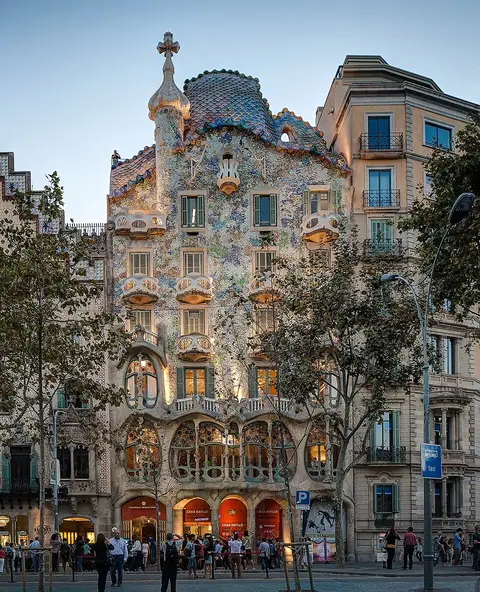 Historic sites01
Casa Batlló
Pg. de Gràcia, 43 · Barcelona● Website● Phone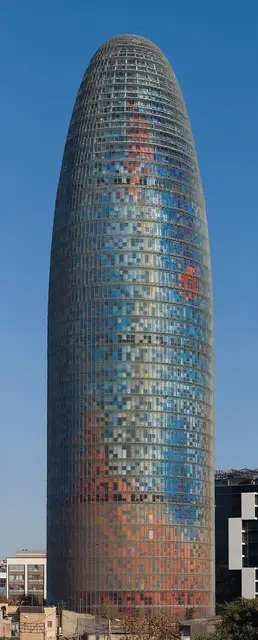 Historic sites02
Torre Glòries
Av. Diagonal, 211 · Barcelona● Website● Phone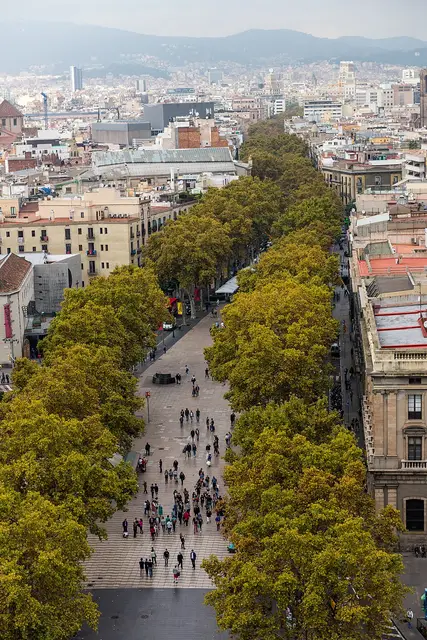 Historic sites03
Las ramblas
Barcelona (Sants · Barcelona● Website○ Phone Historic sites04
You need a free account to leave reviews and photos – that keeps comments genuine and lets you edit them later.