About Barcino
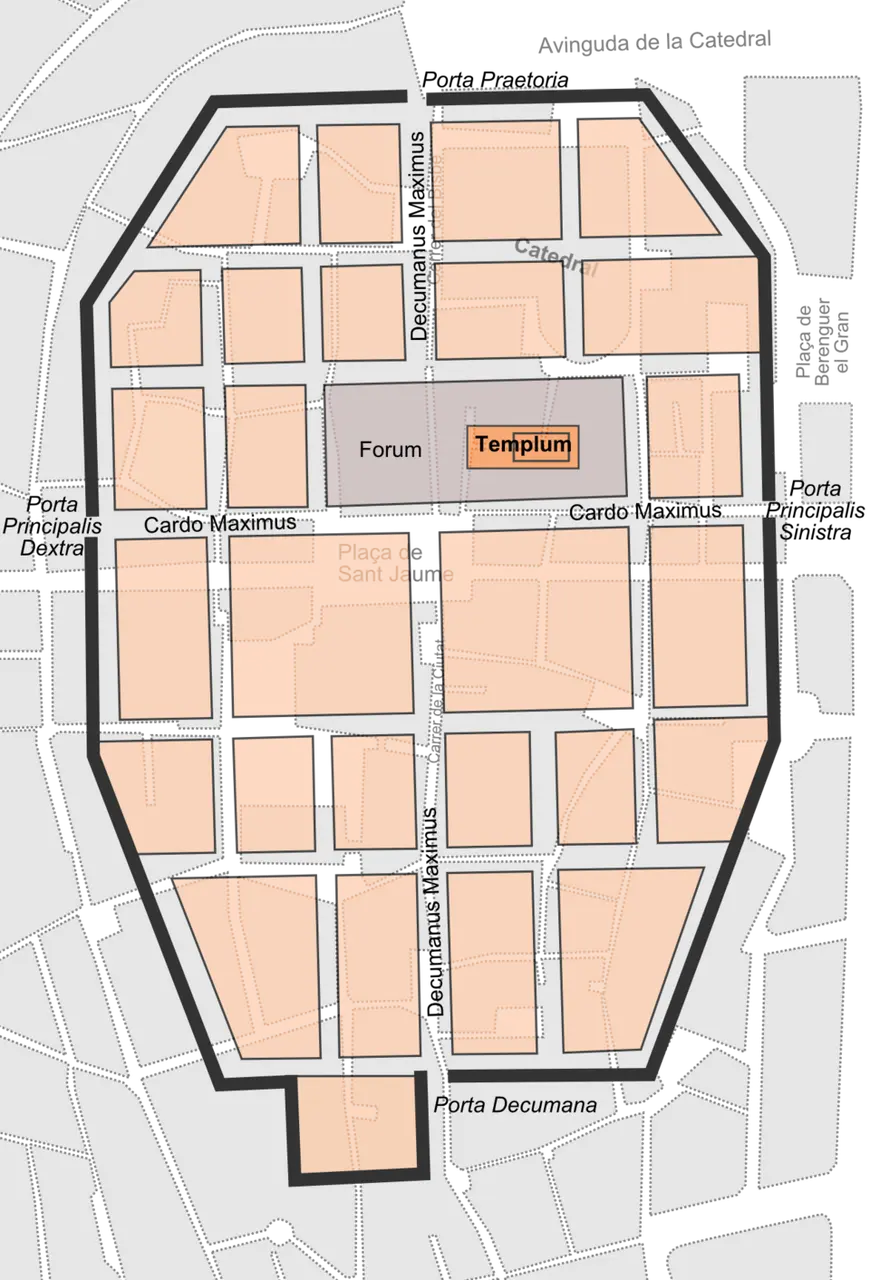
Barcino was the Roman predecessor of present-day Barcelona. The settlement was founded during the reign of Emperor Augustus on Mont Tàber, a strategically important hill with a natural harbor that had already been inhabited by the Iberian Laietani. The colony's full name was Colonia Iulia Augusta Faventia Paterna Barcino. Thanks to its location on the Via Augusta and its exemption from taxes, the city reached its peak in the second and third centuries. Its economy relied on viticulture, livestock farming, fishing, and the trade in ceramics and garum, a fish sauce that was exported throughout the Roman Empire.
The city wall, originally built in the first century B.C., was massively reinforced in the fourth century to protect the settlement from invasions. This fortification gave Barcino a significance beyond the region during that period, even ranking it above the provincial capital, Tarraco. Inside the walls, the city followed an orthogonal street plan with the forum at its center, where temples, baths, and administrative buildings stood. Today, some architectural remains from this Roman era are still visible. They include three columns of the Temple of Augustus, which stand inside the building of the Centre Excursionista de Catalunya, as well as remains of aqueducts and a necropolis with more than seventy graves on the Plaça de la Vila de Madrid.
For visitors, the best way to gain a deep insight into the city's ancient history is the lower level of the Museum of the History of Barcelona. There, the foundations of businesses such as a laundry, a dye works, and a fish-salting factory have been uncovered, allowing you to picture the everyday life of the city's former residents. The museum itself also displays sculptures, mosaics, and inscriptions, including a marble tomb bearing the name Barcino. The Archaeological Museum of Catalonia also houses important finds, such as a row of Corinthian columns and a mosaic of the Three Graces. These exhibits illustrate the high standard of living of the Roman inhabitants and the cultural development of the city, which eventually gave way to Barcelona's medieval history.
At a glance
- Category
- Sight › Historic sites
- Rating
- no reviews yet · write a review
- Address
- —
Barcelona, Spain - District
- Ciutat Vella
- Phone
- +34935666861
- Website
- barcelonaromana.wordpress.com
- barcelonaromana@gmail.com
- Coordinates
- 41.38410° N · 2.17542° E
- Data quality
- confidence 0.75
- Identifier
- ID b9a8634a-198…
Location & surroundings
Toggle layersRatings & comments
none yetNear Barcino
closest 5 per category · 2 kmSights
Restaurants
Museums
Hotels
More:Historic sites in Barcelona (577)Sights in Ciutat Vella (178)All sights in Barcelona (680)
300 places within 2 km loaded.
Don't miss in Barcelona
All sights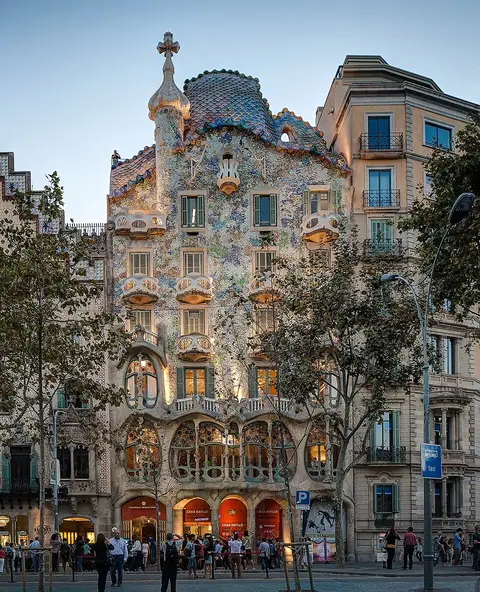 Historic sites01
Casa Batlló
Pg. de Gràcia, 43 · Barcelona● Website● Phone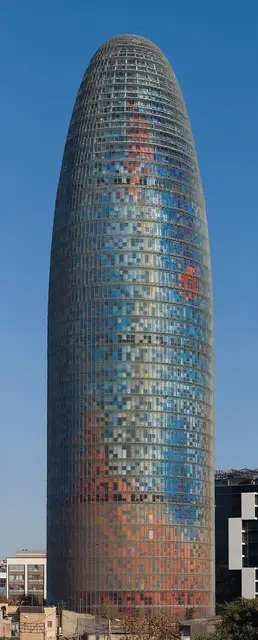 Historic sites02
Torre Glòries
Av. Diagonal, 211 · Barcelona● Website● Phone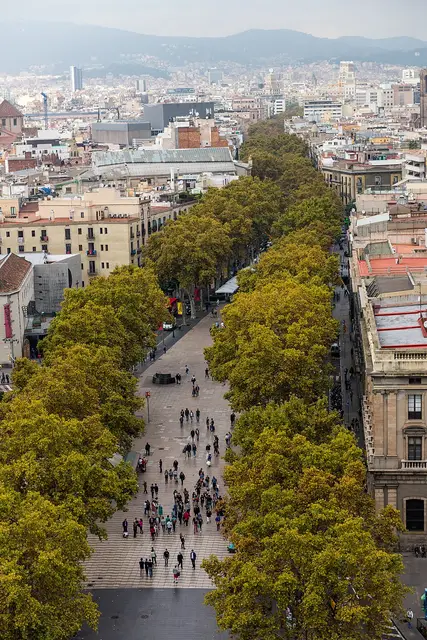 Historic sites03
Las ramblas
Barcelona (Sants · Barcelona● Website○ Phone Historic sites04
You need a free account to leave reviews and photos – that keeps comments genuine and lets you edit them later.