Museum · Museums (general)
Museu de la Catedral de Barcelona
Carrer de Santa Llúcia, 5, 08002 Barcelona
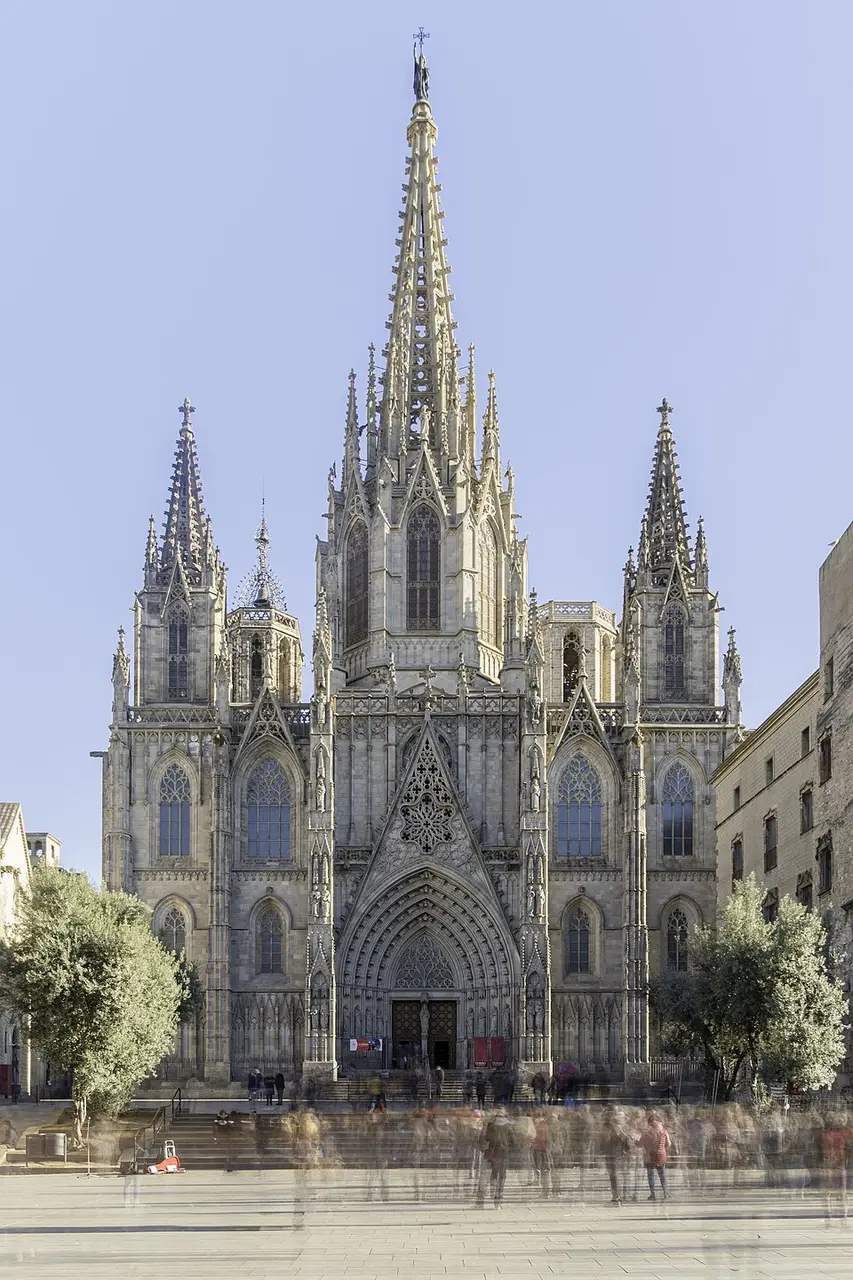
About Museu de la Catedral de Barcelona
The Museu de la Catedral de Barcelona is the Roman Catholic cathedral of the Archdiocese of Barcelona, located on the Pla de la Seu square in the historic Barri Gòtic neighborhood. The third building on this sacred site, it succeeded an early Christian basilica and a Romanesque predecessor. The present Gothic church was built between the 13th and 15th centuries, though its exterior, with the striking façade and central tower, was completed in the Neo-Gothic style much later, between 1886 and 1913. The building is classified as a cultural monument of national importance and, in addition to the sacred space itself, houses significant historical and art-historical treasures that reflect the city's heritage.
The history of the site goes back to the 4th century, when a three-aisled basilica with white marble columns was built here. This early Christian church lasted for nearly seven hundred years and served, among others, Bishop Pretextatus, who took part in the Council of Serdica in 343. In 599, it took on the dedication to the Holy Cross, one of the oldest in the Christian world. During the Muslim occupation, the building may have been converted into a mosque, before it was restored in the 9th century and the remains of the city's patron saint, Saint Eulalia, were transferred to the crypt. Eulalia is considered a martyr who died around the year 290, and her legend still shapes the identity of the cathedral today.
After its destruction by the Moorish ruler Almanzor in 985, a new Romanesque cathedral was built around 1046. It was smaller than the present building and had three naves with apses, but no transept. Several elements from this Romanesque era have survived, including two large Corinthian capitals that support the high altar, as well as parts of the Sant Ivó portal. These remnants link the present Gothic building to its earlier history and show the continuous use of the site over the centuries.
Construction of the present Gothic cathedral began on May 5, 1298, under Bishop Bernat Pelegrí and King James II of Aragon. The process was not a demolition but a gradual expansion of the Romanesque cathedral, with the old church remaining in use during construction. The work stretched over several decades and was led by various master builders such as Jaume Fabre, Bertrán Riquer, and Bartolomé Gual. The church was closed in 1420 and received its wooden dome in 1448. The façade was not realized until the 19th century, based on plans from 1408, in order to complete the building in time for the 1888 World's Fair.
The Neo-Gothic west façade is 40 meters wide and flanked by two bell towers 53 meters tall. It is richly decorated with sculptures of angels and saints and holds eight stained-glass windows. Among them is the famous Renaissance window "Noli me tangere" by Bartolomé Bermejo, dating from 1493 to 1495. The central tower, designed by August Font i Carreras, rises 80 meters and was built between 1906 and 1913. At its top stands a 4.5-meter statue of Saint Helena holding up the Cross of Christ, a symbol of the cathedral's dedication.
Inside the cathedral, the architecture impresses with its three naves of equal height and the Gothic cloister. A special feature of the cloister is the 13 white geese that live there. These geese are a living symbol of Saint Eulalia, who according to legend was thirteen years old when she suffered her martyrdom and who had tended geese on her parents' estate in Sarrià. The cloister offers visitors a quiet place for contemplation and connects various areas of the cathedral, including the portals and chapels.
The cathedral's portals tell the story of the site in stone. The Portal de Sant Ivó on the north side is the oldest and was long the main entrance. It shows angels playing music and 12th-century reliefs depicting symbolic scenes from medieval bestiaries. The Portal de la Pietat in the southeast leads to the cloister and originally housed a wooden relief of the Pietà by Michael Lochner, which can now be seen in the cathedral museum. The Romanesque portal of St. Lucy at the southwest corner is distinguished by naturalistic plant motifs on its capitals, reflecting a fashion of the early 13th century.
The bell towers house a unique set of bells. The clock tower on the north side holds the 7-ton bell Eulàlia, which strikes the hours, as well as the bell Honorata for the quarter hours. The history of the bells is closely tied to the political history of Catalonia, as some bells were melted down during the War of the Spanish Succession. The other tower holds eleven bells, including the large bell La Tomasa and the bell Montserrat, added in 1998, which together form the largest peal in Catalonia.
The interior of the church is rich in sculptural and painted works. The 215 keystones of the vaulting show religious scenes and coats of arms that have been restored over the centuries. The oak choir stalls, made by Pere Ça Anglada, are decorated with scenes of everyday life and religious motifs. The pulpit and the canopies of the choir come from German sculptors such as Michael Lochner and show the influence of the Renaissance on Catalan art. The high altar rests on Visigothic capitals from the 6th century that come from the first basilica.
The crypt beneath the high choir holds the alabaster sarcophagus of Saint Eulalia, created by the Pisan sculptor Lupo di Francesco in 1339. Scenes of her martyrdom are engraved on the lid. The crypt also contains the saint's old 9th-century tomb. The side chapels of the cathedral hold further artistic treasures, including the tomb of Sança Ximenis de Cabrera in the Chapel of Saints Cosmas and Damian, carved in alabaster by Pere Oller. The altarpiece of this chapel was begun by Bernat Martorell and completed by his pupil Miquel Nadal.
Barcelona Cathedral is not only a place of worship but also a museum documenting the religious, political, and cultural history of the city. Here, visitors can experience the link between the ancient past and Gothic splendor. The combination of architectural masterpieces, historic relics, and living traditions such as the geese in the cloister makes the cathedral an unforgettable experience. It stands as a testament to the perseverance and faith that have shaped Barcelona's identity over the centuries.
At a glance
- Category
- Museum › Museums (general)
- Rating
- no reviews yet · write a review
- Address
- Carrer de Santa Llúcia, 5
08002 Barcelona, Spain - District
- Ciutat Vella
- Phone
- +34972677514
- Website
- www.salvador-dali.org
- —
- Coordinates
- 41.38451° N · 2.17601° E
- Data quality
- confidence 0.90
- Identifier
- ID b2cbc143-614…
Part of the tour
Barcelona in a Day: Gaudí, the Gothic Quarter and El Born →Location & surroundings
Toggle layersRatings & comments
none yetNear Museu de la Catedral de Barcelona
closest 5 per category · 2 kmSights
Restaurants
Museums
Hotels
More:Museums in Ciutat Vella (98)All museums in Barcelona (236)
300 places within 2 km loaded.
Don't miss in Barcelona
All sights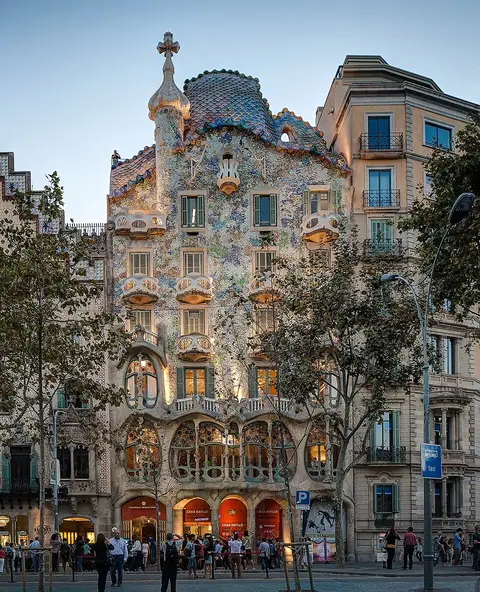 Historic sites01
Casa Batlló
Pg. de Gràcia, 43 · Barcelona● Website● Phone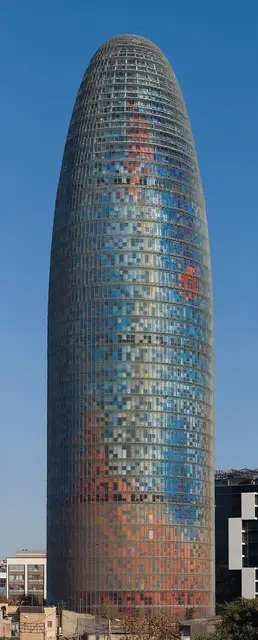 Historic sites02
Torre Glòries
Av. Diagonal, 211 · Barcelona● Website● Phone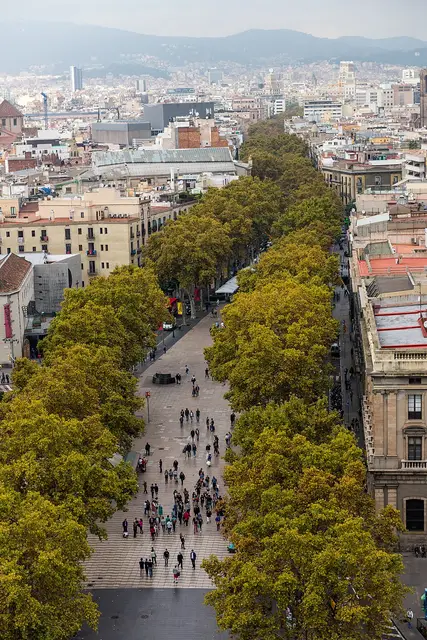 Historic sites03
Las ramblas
Barcelona (Sants · Barcelona● Website○ Phone Historic sites04
You need a free account to leave reviews and photos – that keeps comments genuine and lets you edit them later.