Discover Budapest: The Danube, Thermal Baths, and Ruin Bars
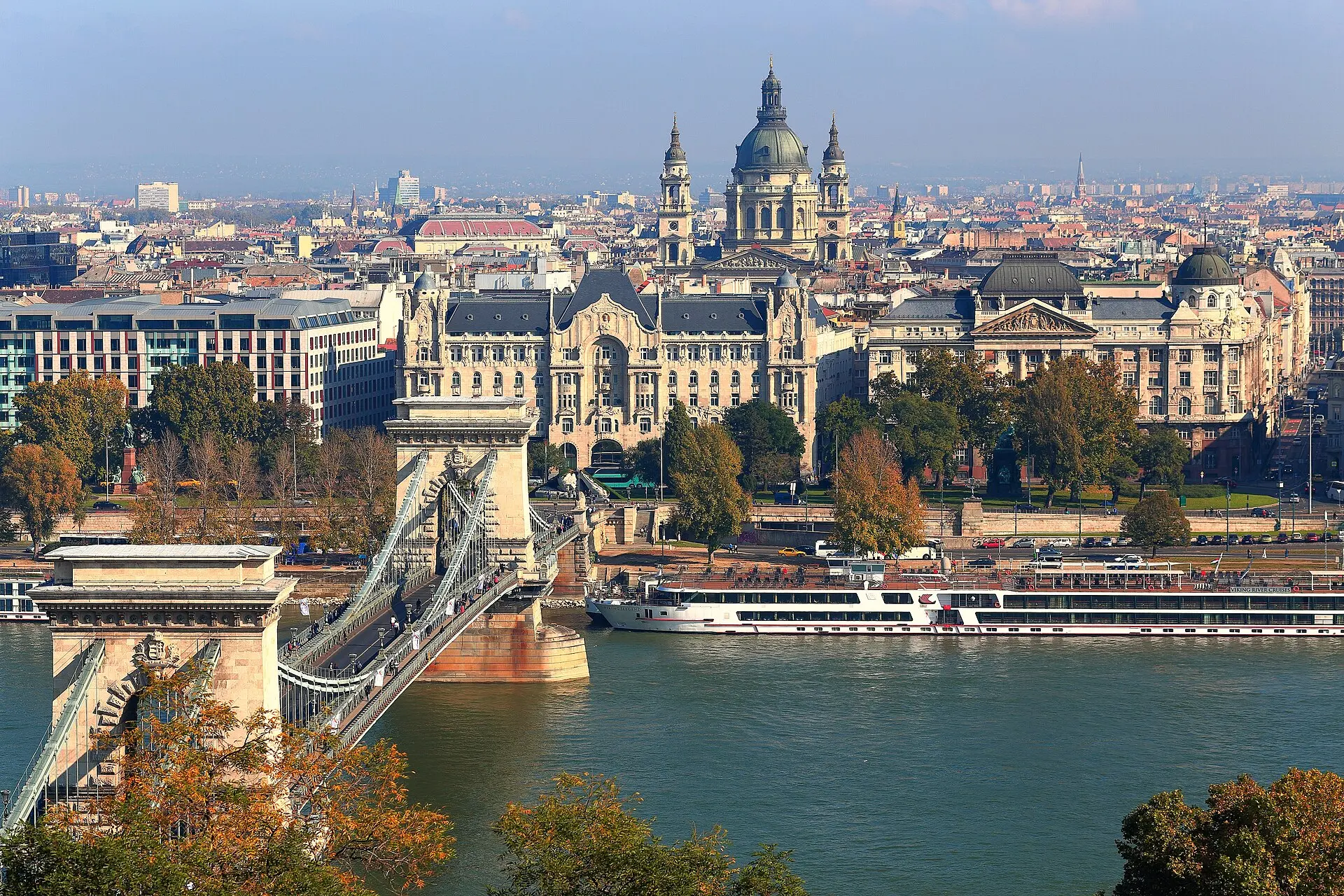
Travel guide · editorialWhen the lights of Parliament, the Chain Bridge, and the Buda Castle palace shimmer on the Danube at night, Budapest is arguably one of Europe's most beautiful river cities. A trip to Budapest combines Habsburg grandeur, steaming thermal baths, and a playful bar scene tucked into old courtyards. For a city break or an extended weekend, the Hungarian capital is close, varied, and comparatively affordable.
Buda, Pest, and Óbuda
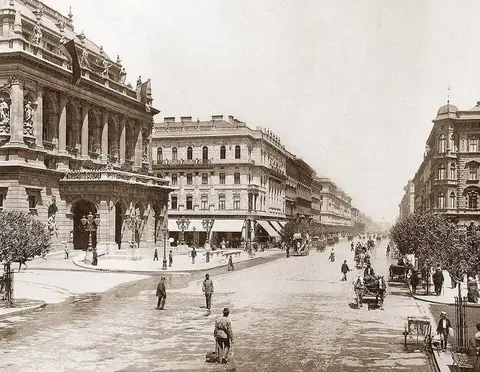
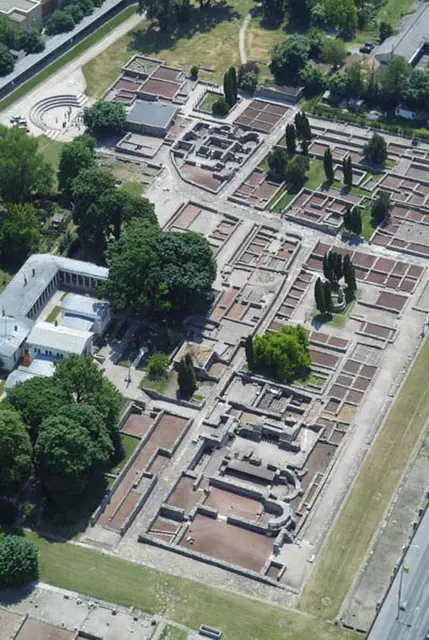
The Romans already settled here; their garrison town of Aquincum lay in what is now Óbuda. In the Middle Ages, Buda became the seat of kings, before the Ottomans conquered the city in 1541 and held it for around 150 years—the thermal baths are their legacy. After the Habsburgs reconquered it, Buda on the hill and Pest on the plain grew, and in 1873 they were united with Óbuda to form Budapest. In the decades before World War I, the city, as capital of the Hungarian half of the empire, experienced an unprecedented building boom: Parliament, the opera house, the first subway on the European continent, and magnificent boulevards all date from this era. War, the Holocaust, the 1956 uprising, and decades of socialism left their marks, and since 1989 Budapest has developed into one of Central Europe's most popular metropolises.
Sights in Budapest
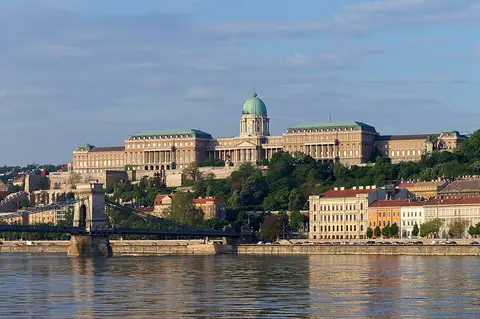
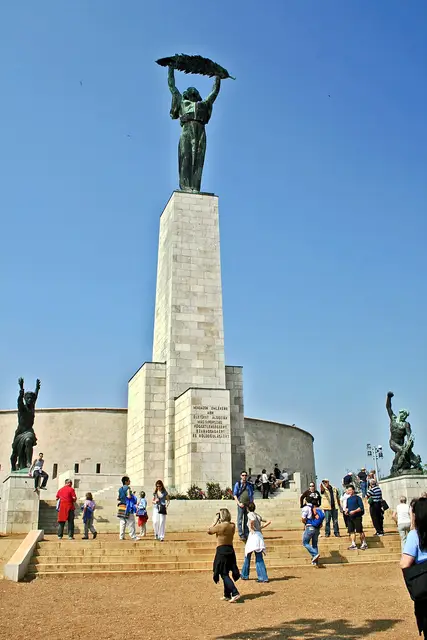
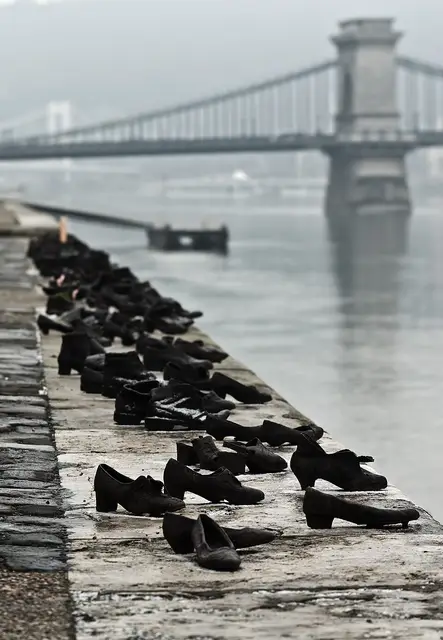
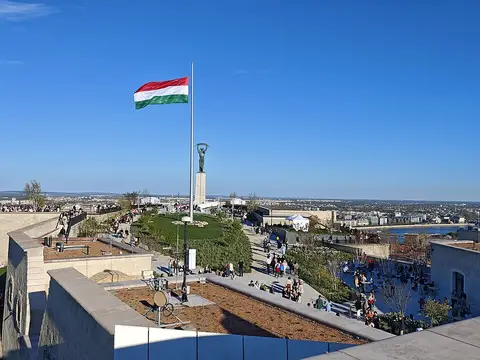
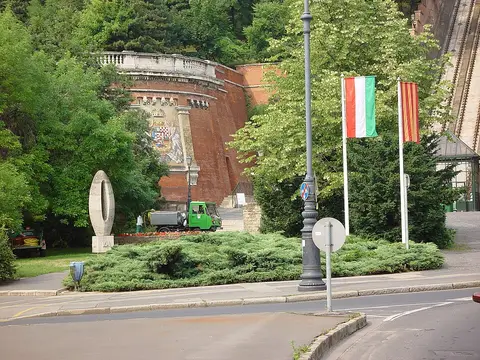
The neo-Gothic Parliament building on the Pest riverbank is one of the largest in the world, and on guided tours you can see the Hungarian Crown of St. Stephen. On the Buda side, Castle Hill rises above the river with the Buda Castle palace, Matthias Church with its colorful tiled roof, and Fisherman's Bastion, whose turrets offer views across the Danube. The Chain Bridge, built in 1849, was the first permanent link between the two banks. Along the water, the "Shoes on the Danube Bank" memorial commemorates Jews who were shot here in 1944/45. St. Stephen's Basilica in Leopoldstadt preserves the mummified hand of the first king. The best panoramic view is from Gellért Hill, with its Citadel and Liberty Statue. Margaret Island, between Buda and Pest, is a green park with a running track and an outdoor pool.
Baths, Museums, and Culture
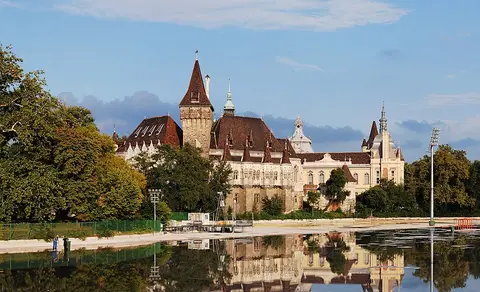
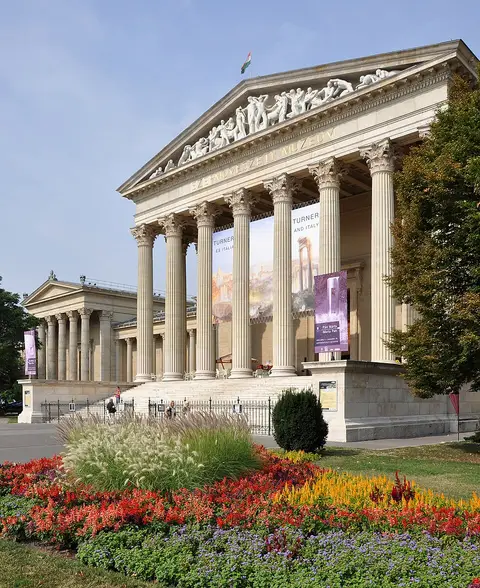
Budapest sits on more than a hundred thermal springs. The Széchenyi Baths in City Park, with their yellow neo-Baroque buildings and steaming outdoor pools, are the best known; the Gellért Baths, with their Art Nouveau hall, are the most elegant; and the Rudas Baths preserve an Ottoman dome from the 16th century and offer a rooftop pool with views of the Danube. A large museum quarter has emerged in City Park with the Museum of Ethnography and the House of Hungarian Music, while the Museum of Fine Arts displays Old Masters. The House of Terror on Andrássy út documents the dictatorships of the 20th century, and the Hungarian State Opera House has been lavishly restored. The Great Synagogue on Dohány Street is the largest in Europe.
Neighborhoods: From the 7th District to Ferencváros
The 7th District, the former Jewish Quarter of Erzsébetváros, is now the nightlife center: ruin bars such as Szimpla Kert, set in derelict courtyards with mismatched salvaged furniture and colorful lights, have shaped the city's bar scene. The 6th District, Terézváros, with Andrássy út and the opera house, is elegant and lively. The Inner City around Váci utca and Vörösmarty tér is touristy, while Leopoldstadt in the 5th District, with Parliament and the basilica, is the government and banking quarter. In Ferencváros, around Ráday utca, cafés and restaurants line the street, and the riverbank near the Bálna is a popular evening gathering spot.
Eating in Budapest
The Great Market Hall on Fővám tér is a good place to start: paprika, salami, foie gras, and lángos, fried flatbread topped with sour cream and cheese. Goulash, originally a shepherd's soup, chicken paprikash with dumplings, fish soup, and stuffed cabbage are the classics. Restaurants in Budapest range from simple étkezde lunch spots to Michelin-starred cuisine. In long-established coffeehouses such as the New York Café or Gerbeaud, you'll find Dobos torte and Esterházy torte. Hungarian wines from Tokaj, Villány, and Lake Balaton, as well as the herbal liqueur Unicum, round things out.
Getting Around, When to Go, and Day Trips
From Ferenc Liszt Airport, the 100E express bus runs to the center. In the city, the metro, trams, and buses are inexpensive and frequent; tram line 2 along the Pest side of the Danube is considered one of the most beautiful routes in Europe. The old town areas are best explored on foot. The best times to visit are spring and fall; summers get hot, and in August the city celebrates with the Sziget Festival and the national holiday on August 20 with fireworks over the Danube. In Advent, Christmas markets draw crowds at the basilica and on Vörösmarty tér. Day trips lead to the Danube Bend with Szentendre, Visegrád, and Esztergom, to Gödöllő and Empress Sisi's palace, and to Lake Balaton.