Discover Serbia: Belgrade, the Danube and Monasteries
Travel guide · editorialA vacation in Serbia usually begins in Belgrade, a city that stays up until the early hours. But the country stretches from the flat Vojvodina plain with its vineyards, past the gorges of the Danube, to the mountains and medieval monasteries in the south – and for many travelers it is still a discovery.
Belgrade: Fortress, Rivers and Nightlife
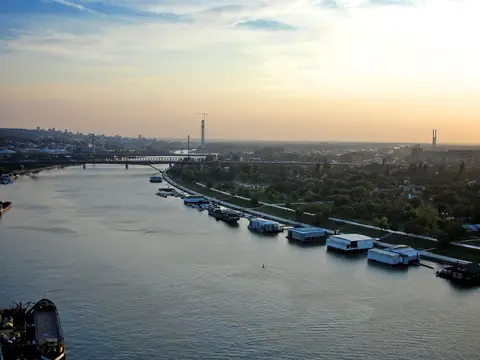
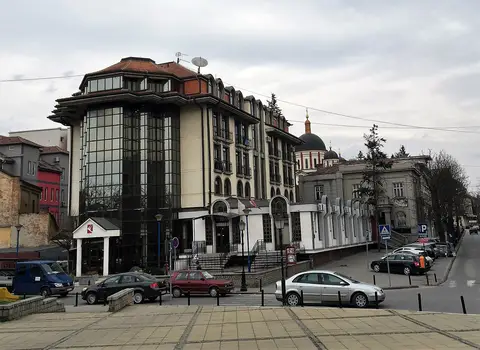
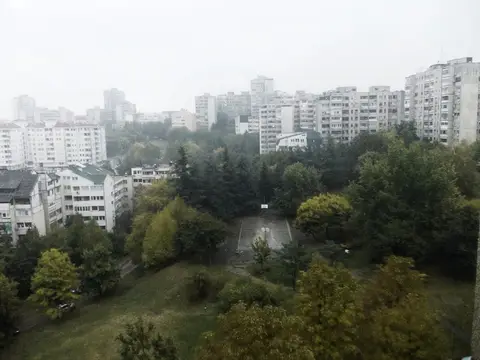
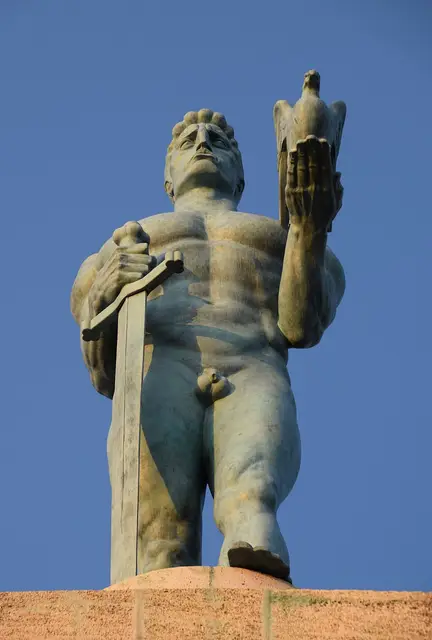
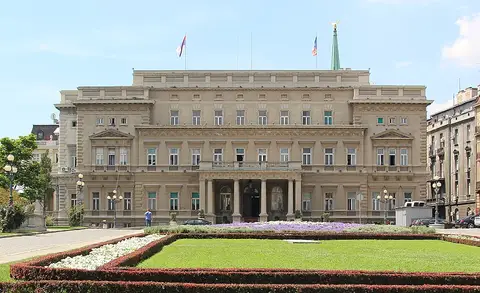
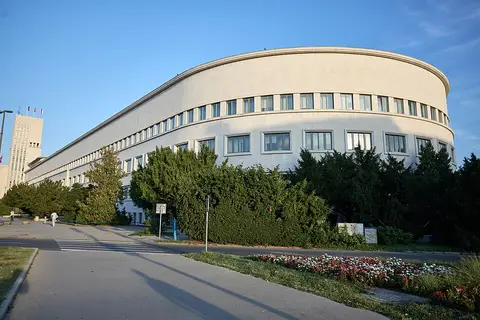
Belgrade sits where the Sava flows into the Danube, and Kalemegdan Fortress on the rock above is the best place to see it. In the evening, families, couples and chess players gather in the park as the sun sets over New Belgrade. From the fortress, the pedestrian zone Knez Mihailova leads into the city center. The bohemian quarter of Skadarlija, with its cobblestones and kafanas where musicians play between the tables, recalls the 19th century. In the Vračar district stands the Cathedral of Saint Sava, one of the largest Orthodox churches in the world, its interior lined with golden mosaics. The Nikola Tesla Museum holds the inventor's urn, and Tito is buried in the House of Flowers. New Belgrade, on the other side of the Sava, is a planned city of socialist apartment blocks that has become a gathering spot for architecture buffs. Zemun, once known in German as Semlin, was an Austro-Hungarian border town until 1918 and has kept its small-town character, with fish restaurants on the Danube and the Gardoš Tower. In summer, the nightlife shifts to the splavovi, floating clubs and party boats along the riverbanks. In 2027, Belgrade hosts the Expo, for which new neighborhoods are being built in the south of the city.
Novi Sad and Vojvodina
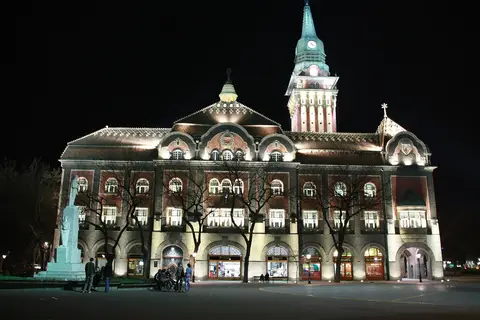
Novi Sad on the Danube, the second-largest city, is more baroque and more laid-back than Belgrade. The old town, with the cathedral on Liberty Square and Zmaj Jovina Street, is quickly explored. Across the river, Petrovaradin Fortress looms with a clock tower whose hands are reversed so that boatmen could tell the hour from a distance. Every July, the EXIT Festival takes place here, one of the largest music festivals in Southeast Europe. South of the city rises Fruška Gora, a low mountain range with around 16 Orthodox monasteries and vineyards. In the little town of Sremski Karlovci, you can try bermet, a spiced dessert wine. Vojvodina is multilingual: Hungarian, Slovak and Romanian are official languages here, and in Subotica near the Hungarian border you'll find a city hall in Hungarian Art Nouveau style.
Sights in Serbia: Danube, Mountains and Monasteries
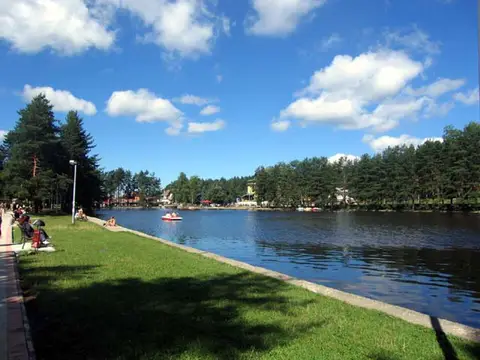
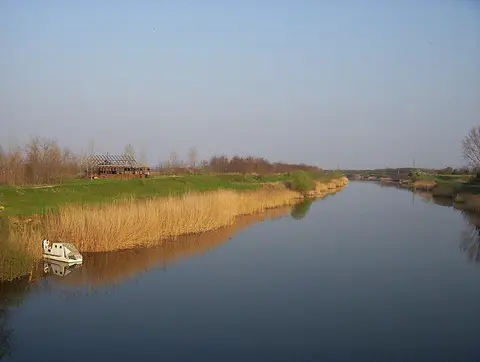
Beyond Belgrade, the Danube winds through the Iron Gates, a breakthrough through the Carpathians protected in Đerdap National Park. Along the banks lie Golubac Fortress and Lepenski Vir, a Stone Age settlement with enigmatic fish-faced stone sculptures. In the west, Zlatibor and Tara National Park are among the most popular destinations in Serbia. Zlatibor is a high plateau with meadows, pines and a long gondola lift; in the Tara Mountains, viewpoints look out over the Drina Gorge. Near Mokra Gora, the narrow-gauge Šargan Eight railway loops through the mountains, and right next to it, the director Emir Kusturica built the wooden village of Drvengrad. Medieval monasteries such as Studenica and Sopoćani, with frescoes from the 12th and 13th centuries, are UNESCO World Heritage sites. In the east lies Gamzigrad, the palace of the Roman emperor Galerius.
Niš and the South
Niš is the third-largest city and the birthplace of Emperor Constantine the Great. The Ottoman fortress in the center is now a park with cafés, and the Skull Tower, built from the skulls of Serbian insurgents after a battle in 1809, is a haunting monument. In the 19th century, Kragujevac was the first capital of modern Serbia; the Šumarice memorial commemorates the mass shooting of civilians by the Wehrmacht in October 1941. If you want to experience the country's music, head to Guča in August, where brass bands play for days on end at the trumpet festival.
Food and Drink
Serbian cuisine is meat-heavy and generously portioned. Ćevapi and pljeskavica, a large ground-meat patty, come off the grill, while karađorđeva šnicla is a rolled, breaded cutlet filled with kajmak. Sarma, cabbage rolls, is mostly a winter dish, proja is a cornbread, and ajvar, the paste made from roasted peppers, is cooked at home by many families in the fall. For breakfast, people eat burek with drinkable yogurt. An evening in a kafana often starts with a glass of rakija, usually šljivovica made from plums; Serbian wines from Fruška Gora, Župa and the Negotin wine region keep getting better.
Getting There and Getting Around in Serbia
Belgrade Airport (BEG) is the hub of Air Serbia and is connected to many German cities; Niš (INI) is served by low-cost airlines. For entry, a national ID card is enough for EU citizens; Serbia is not part of the EU or the Schengen Area, so EU mobile roaming rates do not apply. For some years now, a high-speed train has connected Belgrade with Novi Sad in a little over half an hour, and it now runs all the way to Subotica. Otherwise, the bus is the main means of transport. Highways are toll roads, with payment at toll booths. The currency is the dinar, and cards are accepted almost everywhere in cities. Cyrillic and Latin scripts are used side by side.
Best Time to Visit Serbia
The best time to visit Serbia is May and June as well as September and October, with temperatures between 68 and 81°F. In July and August, Belgrade and Vojvodina often get hotter than 95°F, so Zlatibor and Tara, with their cooler nights, are more pleasant then. Fall is the season of the grape harvest and ajvar cooking. In winter, snow falls in the mountains, and on Kopaonik, the country's largest ski resort, the season usually starts in December.