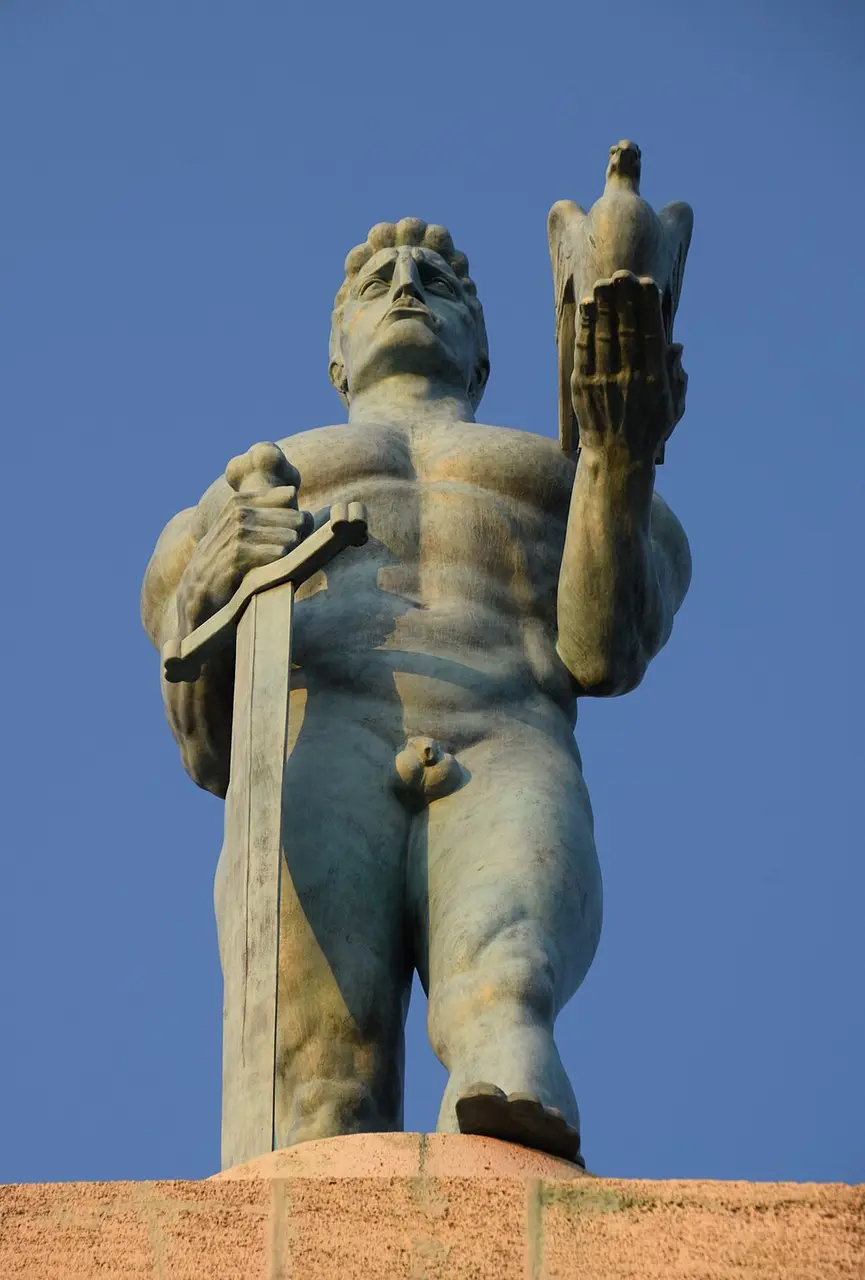
About Pobednik
The Pobednik, which means "The Victor" in English, is a striking bronze monument in the Upper Town of Belgrade Fortress at Kalemegdan. The monumental sculpture was created by the renowned sculptor Ivan Meštrović and depicts an athletic, nude male figure with long, curly hair. In his left hand the figure holds a falcon, while his right hand grips a sheathed sword. This iconographic solution draws on classical vocabulary and borrows the symbolic motif of the mythical hero Hercules to personify the triumph of a victorious nation. The pedestal consists of a fluted Doric column resting on a tall cubic foundation, designed by Petar Bajalović.
The history of the monument is marked by long delays and controversy. It was originally conceived for Terazije, Belgrade's central square, where it was meant to be part of a large fountain with lion figures and marble columns. These plans date back to 1913, when the Belgrade municipality decided to erect a victory monument honoring the liberation from Turkish rule in the First Balkan War. During World War I, Meštrović had to leave Belgrade, and the occupying troops destroyed many of the works that had already been completed; only the figure of the Pobednik and the lion masks survived. After the war the fountain idea was taken up again, but financial constraints and, above all, public protests against placing a nude figure in the heart of the city led to the project being abandoned at Terazije.
Finally, in 1928, the monument found its permanent home on the plateau of Kalemegdan Fortress. It was unveiled at that time to mark the tenth anniversary of the breakthrough of the Salonika Front, a decisive victory of the Allied armies over Austria-Hungary. The relocation to this site coincided with the completion of work on the Sava Promenade and the Grand Staircase. Today the Pobednik is considered one of the defining symbols of Belgrade's cityscape and stands for the modern stylistic aspirations of the interwar period. Protected as a cultural monument, it invites visitors to experience the city's history and cultural wealth in an impressive architectural setting.
At a glance
- Category
- Sight › Monuments
- Rating
- no reviews yet · write a review
- Address
- Kalemegdan bb
11000 Belgrade, Serbia - Phone
- —
- Website
- no.wikipedia.org
- —
- Coordinates
- 44.82303° N · 20.44769° E
- Data quality
- confidence 0.86
- Identifier
- ID 46b4f341-5b6…
Part of the tour
Getting to Know Belgrade: Old Town, Fortress and Tesla →Location & surroundings
Toggle layersFAQ about Pobednik
quick answersWhat is the Pobednik in Belgrade?
The Pobednik ("The Victor") is a bronze monument in the Upper Town of the Kalemegdan Fortress in Belgrade, Serbia. Sculptor Ivan Meštrović created the statue as an athletic, nude male figure with long, curly hair, holding an eagle in his left hand and a sword in his right. The pedestal, a fluted Doric column on a tall cubic base, was designed by Petar Bajalović. Today the Pobednik is considered one of the defining symbols of Belgrade's cityscape and is protected as a cultural monument.
What does the Pobednik monument in Belgrade symbolize?
The Pobednik in Belgrade personifies the triumph of a victorious nation. Meštrović drew on classical vocabulary and borrowed the motif of the mythical hero Hercules. In 1913, the Belgrade municipality decided to erect a victory monument honoring the liberation from Ottoman rule in the First Balkan War. Stylistically, the monument reflects the modern aspirations of the interwar period.
Why does the Pobednik stand at Kalemegdan Fortress and not on Terazije Square?
The Pobednik was originally planned as part of a large fountain with lion figures and marble columns on Belgrade's central Terazije Square, but the project was abandoned. During World War I, occupying troops destroyed many of the finished works; only the Pobednik figure and the lion masks survived. After the war, financial shortages and public protests against a nude figure in the city center prevented its installation. In 1928, the monument was finally unveiled on the plateau of Kalemegdan Fortress, on the tenth anniversary of the breakthrough of the Salonika Front.
What can you see around the Pobednik in Belgrade?
Several sights are within walking distance of the Pobednik at Belgrade's Kalemegdan Fortress. travelguide195 lists the Roman Well (Rimski bunar) about 40 meters away, the Defterdar Gate (Defterdarova kapija) at about 156 meters, and the Tomb of Damad Ali Pasha at about 172 meters, among others. Nearby museums include the Torture Museum (about 211 meters), the Military Museum (Vojni muzej, about 219 meters), and the Natural History Museum Gallery (about 321 meters); the statue of Despot Stefan Lazarević is also about 289 meters away.
Are there restaurants and tours near the Pobednik in Belgrade?
Yes, you'll find plenty of restaurants around the Pobednik at Kalemegdan Fortress in Belgrade. travelguide195 lists about 29 restaurants within 500 meters. If you'd like to see the monument as part of a guided tour, you'll find it on the tour "Getting to Know Belgrade: Old Town, Fortress, and Tesla."
Ratings & comments
none yetNear Pobednik
closest 5 per category · 2 kmSights
Restaurants
Museums
Hotels
More:Monuments in Belgrade (39)All sights in Belgrade (414)
266 places within 2 km loaded.
Don't miss in Belgrade
All sights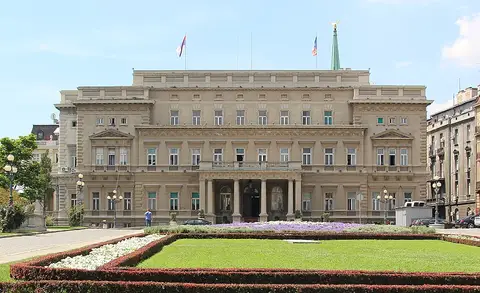 Historic sites01
Stari dvor
Ulica Kralja Milana · Belgrade● Website○ Phone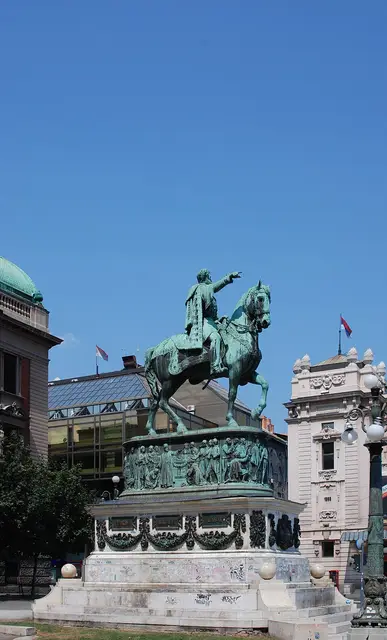 Monuments02
Prince Mihailo Monument
Trg republike · Belgrade● Website○ Phone Historic sites03
House at 10 Cara Dušana Street
Cara Dušana 10 · Belgrade○ Website● Phone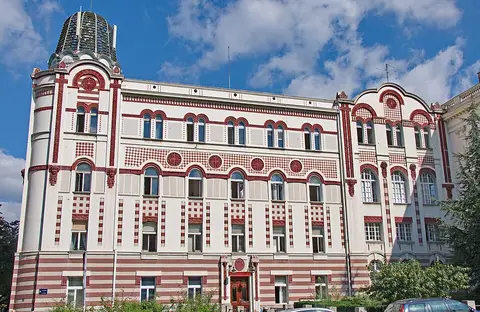 Monuments04
You need a free account to leave reviews and photos – that keeps comments genuine and lets you edit them later.