Central Serbia: Belgrade, Monasteries, and the Mountains of the South
Travel guide · editorialCentral Serbia, the heartland of Serbia south of the Danube and Sava rivers, stretches from the big city of Belgrade across the green hills of Šumadija to the mountains of Zlatibor and Kopaonik. A vacation in Central Serbia combines a lively capital with medieval monasteries, spa towns, Danube gorges, and a hospitable cuisine in which the grill and rakija are never far away.
From the Danube Valley to the Mountains
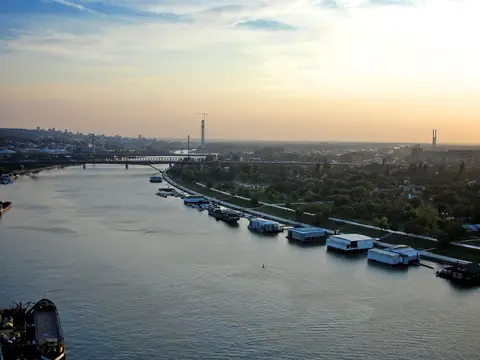
Central Serbia is not an official administrative unit but refers to the part of Serbia that is not in the Autonomous Province of Vojvodina and lies north of Kosovo. In the north, the Danube and Sava form the border with the Pannonian Plain, and Belgrade sits where the two rivers meet. To the south lies Šumadija, a hilly region of orchards and vineyards whose main town is Kragujevac. The Great, West, and South Morava rivers run through the country from south to north. In the west rise the Zlatibor and Tara mountains, in the south Kopaonik, and in the east the Carpathians at the Iron Gates and the Balkan Mountains with Stara Planina. Just under five million people live in this area, nearly 1.7 million of them in the Belgrade metropolitan area.
Belgrade: City at the Confluence
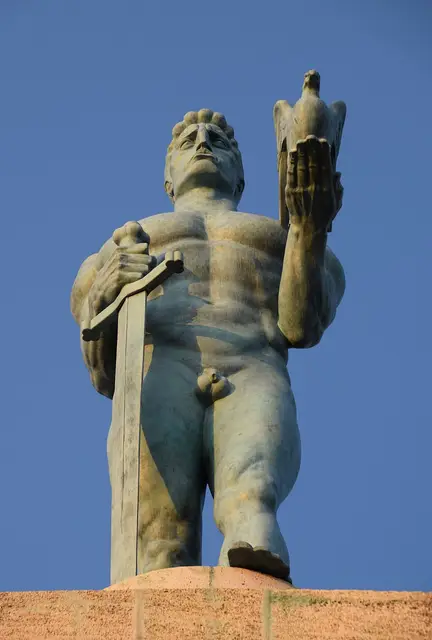
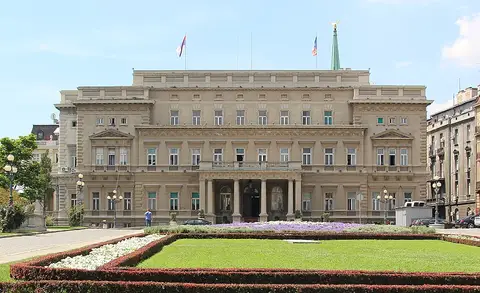
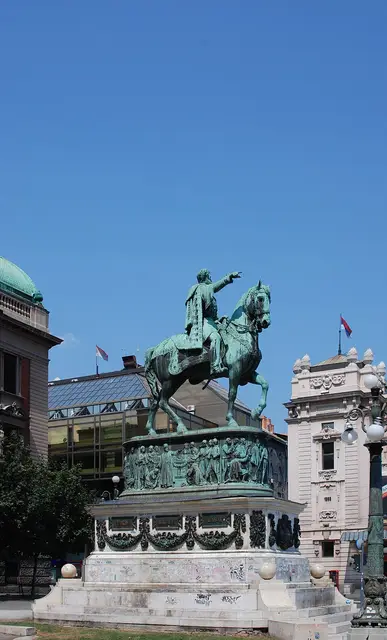
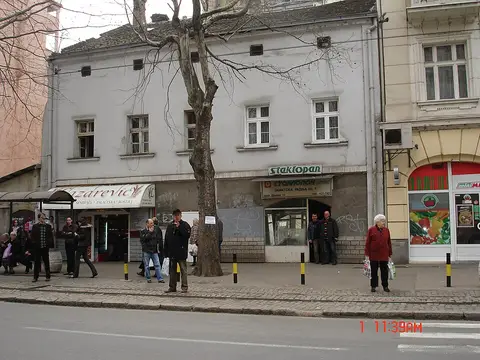
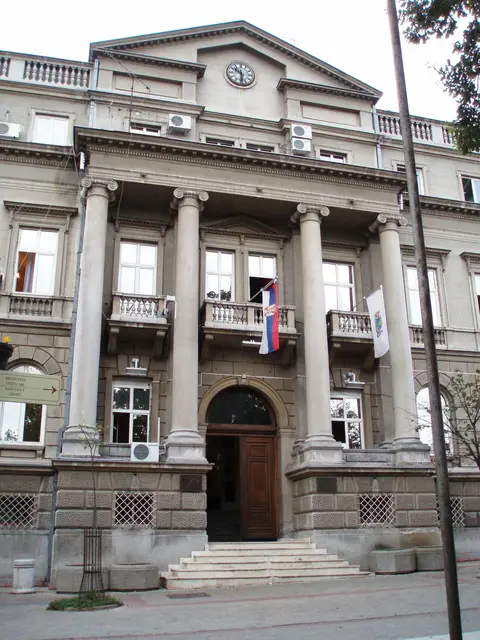
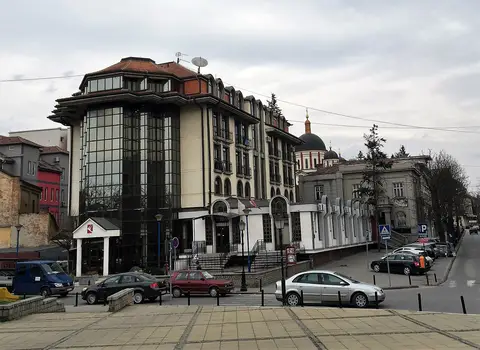
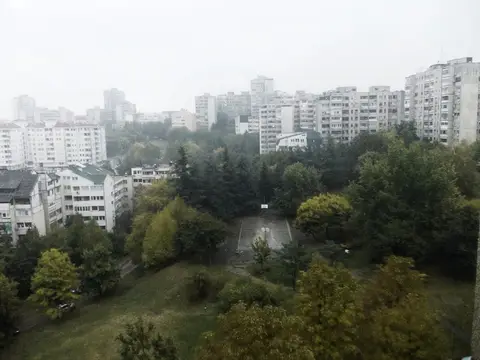
Belgrade is one of the oldest cities in Europe and has been destroyed and rebuilt dozens of times over the course of its history. Kalemegdan Fortress towers above the confluence of the Sava and the Danube, surrounded by a large park; from the Victor Monument you get one of the finest views in the city. The pedestrian zone of Knez Mihailova leads from the fortress to Republic Square and the National Museum. The Church of Saint Sava on Vračar Hill is one of the largest Orthodox churches in the world, with a golden mosaic dome inside. The Skadarlija quarter with its cobblestones and music taverns, the Nikola Tesla Museum, and Tito's mausoleum in the House of Flowers are among the classics. Across the Sava lies New Belgrade with its socialist housing complexes and the Palace of Serbia, and north of the Danube is old Zemun with fish restaurants and the Gardoš Tower. In the evening, Belgraders gather on the river boats known as splavovi, which are moored along the banks as bars and clubs. Residential districts such as Voždovac, or Medijana in Niš, show everyday life beyond the sights.
Sights in Central Serbia
The monasteries are the country's cultural heritage. Studenica, founded in the 12th century by Stefan Nemanja, is a UNESCO World Heritage Site thanks to its frescoes, as are Sopoćani Monastery and the medieval town of Stari Ras near Novi Pazar. Žiča, Manasija with its fortress walls, and the monasteries of the Ovčar-Kablar Gorge are also in Central Serbia. Niš in the south is the birthplace of Emperor Constantine the Great; the Mediana excavations and the Skull Tower from the First Serbian Uprising are among its sights. Kragujevac, the first capital of modern Serbia, commemorates a 1941 Wehrmacht massacre in the Šumarice Memorial Park. At the Iron Gates, the Danube breaks through the Carpathians in a spectacular gorge, which is also home to the prehistoric settlement of Lepenski Vir. Felix Romuliana near Zaječar, a Roman imperial palace, is also a World Heritage Site.
Mountains, Spa Towns, and Nature
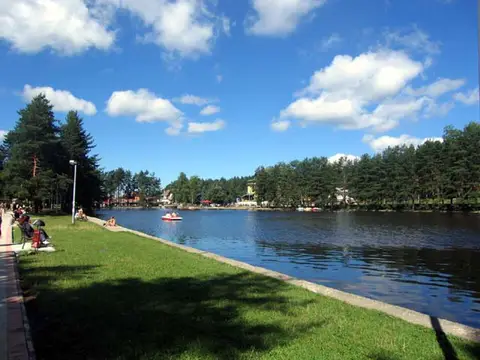
Zlatibor is the most popular mountain destination among Serbs, with pine forests, meadows, and one of the longest cable cars in Europe. Nearby are Mokra Gora, with the Šargan Eight narrow-gauge railway that climbs the mountain in figure-eight loops, and the wooden village of Drvengrad built by Emir Kusturica. Tara National Park offers views of the Drina canyon. Kopaonik is the country's largest ski resort. Spa towns such as Vrnjačka Banja and Sokobanja have a long tradition of taking the waters, and the Uvac Gorge with its meanders is a nesting area for griffon vultures.
Food and Drink
Serbian cuisine is meat-focused: ćevapčići, pljeskavica, grilled sausages, and spit-roasted lamb. Kajmak, a creamy cheese, and ajvar, a red pepper spread, accompany almost every dish. Sarma, stuffed cabbage rolls, is popular in winter. Meals traditionally end with rakija, above all šljivovica made from plums. In Šumadija and around Negotin, winemakers are increasingly producing good wines, for example from the indigenous Prokupac grape. Coffee is brewed Turkish-style.
Getting There and Best Time to Visit
Belgrade Nikola Tesla Airport (BEG) has direct flights from many German cities, and Niš (INI) is served by low-cost carriers. A high-speed train connects Belgrade with Novi Sad; within the country itself, buses are the most important means of transportation. The best time to visit is April through October; in summer, Belgrade hosts numerous festivals, and in August the Guča Trumpet Festival takes place. From December to March, Kopaonik and Zlatibor attract skiers.