Vojvodina: Novi Sad, Fruška Gora and the Pannonian Plain
Travel guide · editorialVojvodina in northern Serbia is flat, fertile and multilingual: Serbs, Hungarians, Slovaks, Romanians, Croats and Rusyns live side by side here, and some municipalities have as many as six official languages. A vacation in Vojvodina takes you to Novi Sad with its Petrovaradin Fortress, to Subotica with its Art Nouveau buildings and to the monasteries and vineyards of Fruška Gora.
Pannonian Land on the Danube and Tisza
The autonomous province lies in the Pannonian Plain and borders Hungary, Romania and Croatia. The Danube, the Tisza and the Sava flow through it, and its landscapes of Bačka, Banat and Srem are shaped by fields of corn, wheat and sunflowers. The only notable elevation is Fruška Gora, a forested ridge south of Novi Sad, known in German as Neusatz. Around 1.7 million people live here. Until 1918 the region belonged to the Kingdom of Hungary, and until 1945 it was home to many Danube Swabians, whose churches and farmhouses still stand as reminders.
Sights in Vojvodina
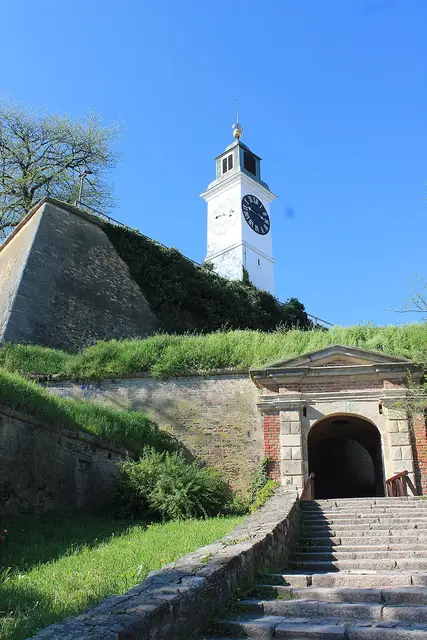
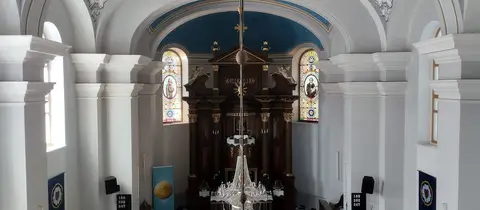
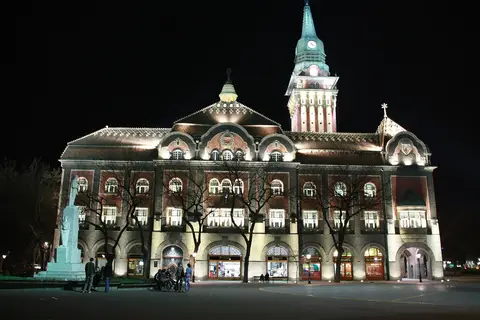
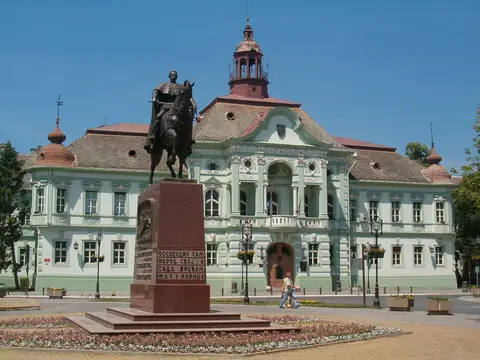
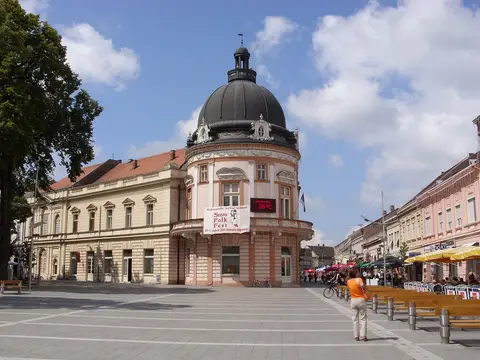
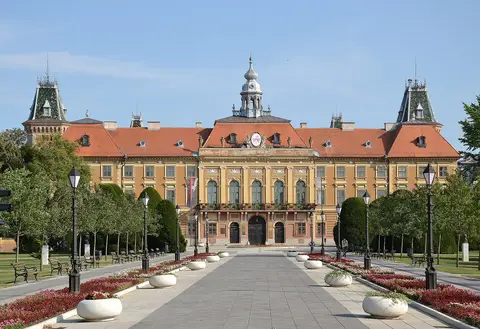
Novi Sad, the capital, is a lively university city with Freedom Square, the Catholic Name of Mary Church and the Zmaj Jovina pedestrian street. Across the Danube rises Petrovaradin Fortress with its clock tower, whose hands are reversed so that boatmen can read the hour from a distance; the EXIT music festival takes place here in July. Sremski Karlovci, near Novi Sad, was a center of the Serbian Orthodox Church and is known for its sweet wine, Bermet. Fruška Gora is home to around 16 Orthodox monasteries hidden in the forests. Subotica in the north, almost at the Hungarian border, has a magnificent Art Nouveau city hall and a synagogue in the Hungarian Secession style. Nearby Lake Palić is a resort town with villas. Sombor is a green town lined with tree-shaded avenues, Vršac in the Banat is surrounded by vineyards, and Sremska Mitrovica holds the ruins of Roman Sirmium, once one of the empire's capitals. Pančevo and Zrenjanin are towns with Baroque churches and main squares, and Stara Pazova, with its Slovak community, lies along the route to Belgrade.
Nature Along the Rivers
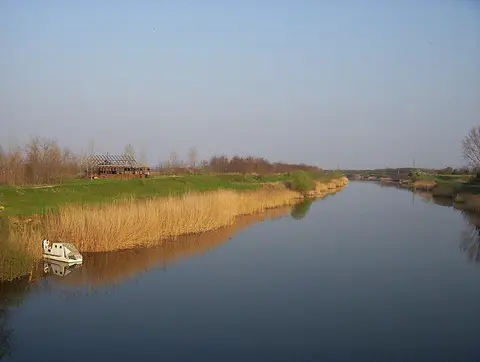
The Obedska Bara protected area in Srem is an oxbow lake of the Sava where herons and storks nest. The Deliblato Sands in the Banat are a sand dune landscape promoted as the "European Sahara." On the Danube near Novi Sad and in the floodplains near Apatin you can go on bike rides and boat trips; the EuroVelo 6 Danube cycle route runs through the province. In late summer the harvest turns the countryside into a sea of sunflowers and corncobs, and many villages celebrate harvest festivals with parades, traditional costumes and long communal tables. Fruška Gora National Park is also worth a visit, with hiking trails to the lookout tower at Iriški venac.
Food, Getting There and Best Time to Visit
The cuisine is shaped by Hungarian and Serbian influences: fish soup (riblja čorba), goulash, paprikash and strudel with poppy seeds or nuts. At the salaši, traditional farmsteads, meals are served to the sound of tamburica music. A high-speed train runs from Belgrade to Novi Sad in about 40 minutes. The best time to visit is April through October, when the grape harvest, festivals and bike tours are all on offer.