North Rhine-Westphalia: Rhine, Ruhr and Cathedrals
Travel guide · editorialIn Germany's most populous state, Gothic cathedrals, pit headframes and half-timbered villages often lie just a few miles apart. A vacation in North Rhine-Westphalia combines big-city culture on the Rhine with industrial heritage in the Ruhr region and hiking in the Sauerland, the Eifel and the Teutoburg Forest.
A State of Many Parts
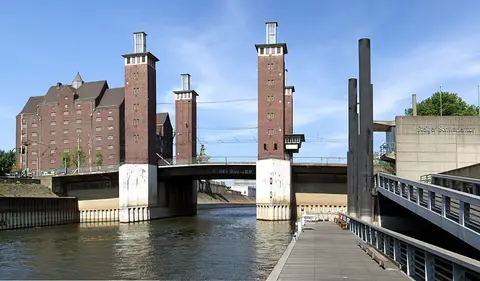
North Rhine-Westphalia was created in 1946 from the Prussian Rhine Province, Westphalia and Lippe. The Rhine flows through the west, lined by Bonn, Cologne, Düsseldorf and Duisburg. To the north lies the Münsterland, with its moated castles and cycling routes; to the east, the Teutoburg Forest and the Weser Uplands. The south is hilly: the Bergisches Land, the Siegerland, the Sauerland with its reservoirs, and the Eifel on the Belgian border, where Eifel National Park protects beech forests. In the west the state borders the Netherlands, which you can feel in Aachen, Mönchengladbach and along the Lower Rhine.
Cologne, Düsseldorf and Bonn
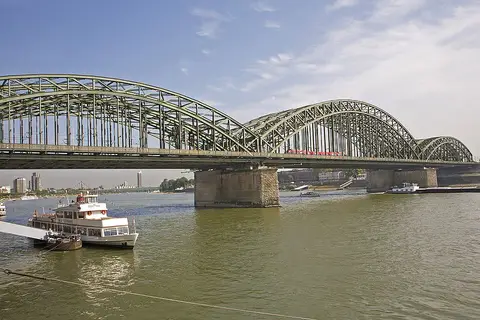
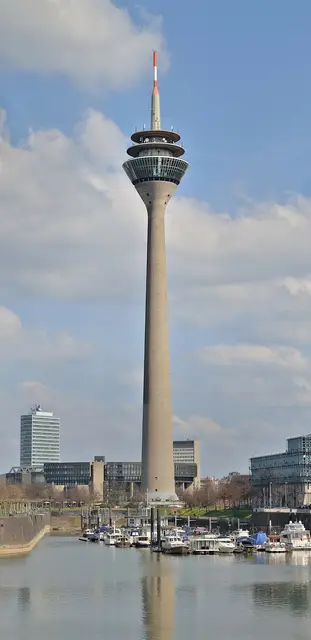
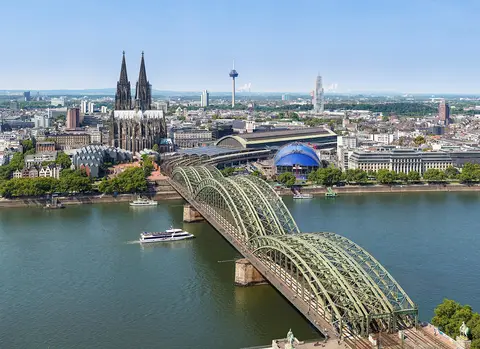
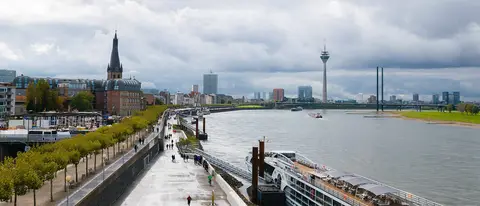
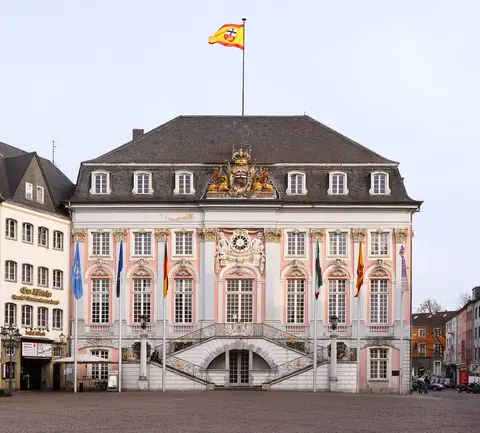
Cologne is the state's largest city. The cathedral, under construction for more than 600 years and not completed until 1880, is a World Heritage Site and the city's landmark. The Roman-Germanic Museum, the Museum Ludwig, the Romanesque churches and the Old Town's brewery taverns, where Kölsch is served in small, straight glasses called Stangen, are all part of a visit. The street carnival, with Women's Carnival Day and the Rose Monday parade, draws hundreds of thousands of people every year. Düsseldorf, the state capital, is more elegant, with the Königsallee, the Media Harbor with its Gehry buildings, the Rhine promenade and the Old Town, where people drink Altbier. The Kunstsammlung NRW and the Art Academy have a worldwide reputation. Bonn, capital of the Federal Republic until 1990 and seat of government until 1999, is Beethoven's birthplace; the House of History tells the story of postwar Germany.
Sights in North Rhine-Westphalia: The Ruhr Region
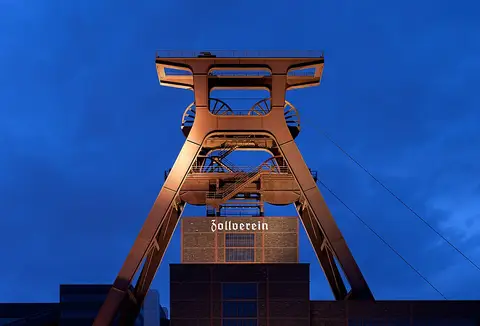
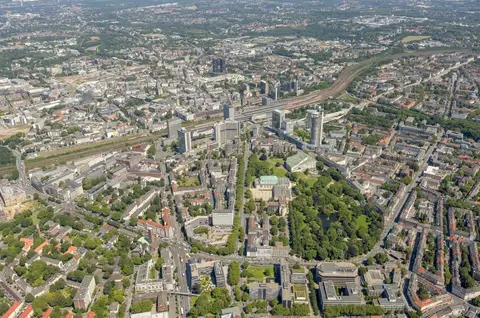
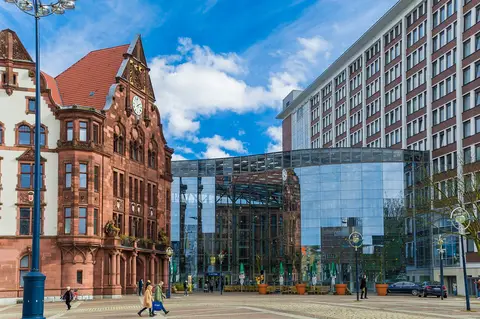
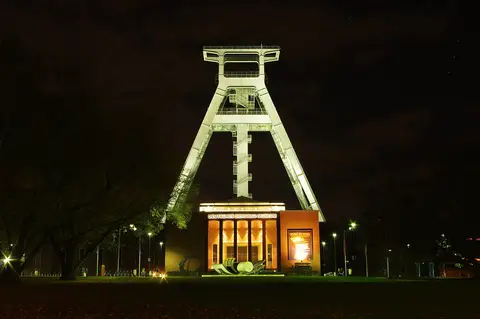
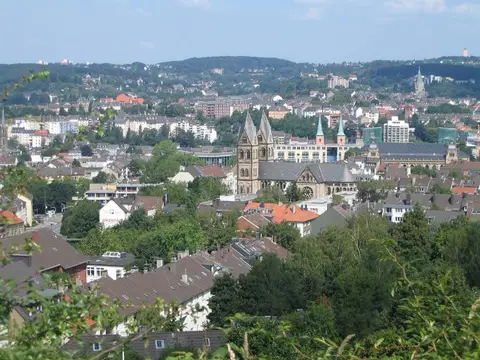
The Ruhr region was once Europe's largest industrial area; today it is a metropolitan area with many cultural venues. The Zollverein Coal Mine in Essen is a World Heritage industrial monument and houses the Ruhr Museum. At the Landscape Park Duisburg-Nord you can climb a blast furnace, which is lit in color at night. Dortmund is home to the German Football Museum and the Westfalenstadion. The Gasometer in Oberhausen hosts major exhibitions, and slag heaps topped with landmarks such as the Tetrahedron in Bottrop offer sweeping views. The Route of Industrial Heritage links these sites. In the Bergisches Land, the Suspension Railway has run above the Wupper River in Wuppertal since 1901, and Solingen is known for its blades.
Aachen, Münster and Smaller Destinations
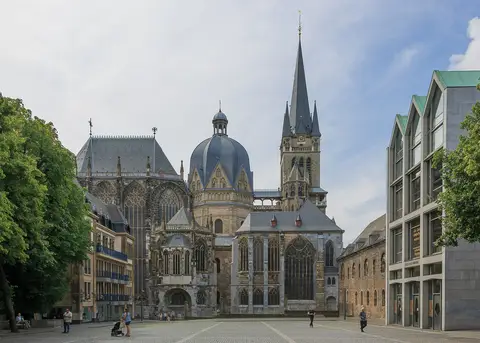
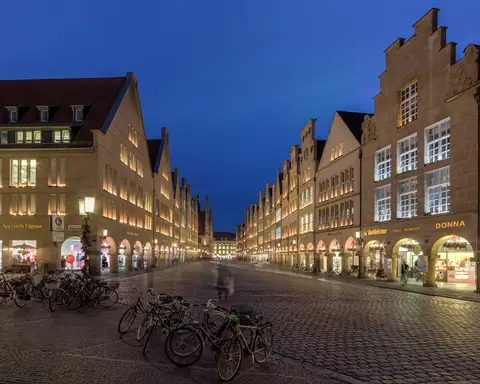
Aachen was Charlemagne's favorite palace town; its cathedral with the Palatine Chapel was one of Germany's first World Heritage Sites in 1978, and thermal springs still feed the Carolus Thermen today. Aachener Printen are a spicy gingerbread-style cookie. Münster is Germany's bicycle city, with the Prinzipalmarkt and the site of the Peace of Westphalia in 1648. Near Detmold you'll find the Hermann Monument and the Externsteine rock formations. In the Sauerland, Winterberg draws visitors with its ski slopes and the Rothaarsteig trail; in the Eifel, Monschau offers half-timbered houses and a castle, and there is also the Vogelsang Order Castle. If you're looking for nature, you'll find it surprisingly close to the cities: the Rhine invites cycling tours on the Rhine Cycle Route, in the Siebengebirge near Königswinter a cog railway climbs the Drachenfels, and the moated castles of the Münsterland, such as Vischering Castle or Nordkirchen Palace, can be linked by bike on the 100 Castles Route.
Food and Drink
Along the Rhine, people eat Himmel un Ääd (mashed potatoes with applesauce and blood sausage), Rhenish sauerbraten and Reibekuchen (potato pancakes). Halve Hahn in Cologne is not half a chicken but a rye roll with cheese. In the Ruhr region, currywurst is part of the local identity; in Westphalia, it's pumpernickel, Westphalian ham and Pfefferpotthast. Beer becomes a matter of faith: Kölsch in Cologne, Alt in Düsseldorf, Pils in Dortmund and the Sauerland. On the Lower Rhine you'll find asparagus and kale.
Getting There and Best Time to Visit
Düsseldorf and Cologne/Bonn are the major airports, supplemented by Dortmund and Weeze. No other German state has a denser rail network; ICE and regional trains connect the cities every few minutes, and the Deutschlandticket is valid on all local transit. The best time for cycling and hiking is May through September; cities are worth visiting in any season. Carnival in February or March, the Christmas markets during Advent and the Ruhrtriennale festival in late summer are special occasions.