Discover Essen: Zollverein, Folkwang, and Lake Baldeney
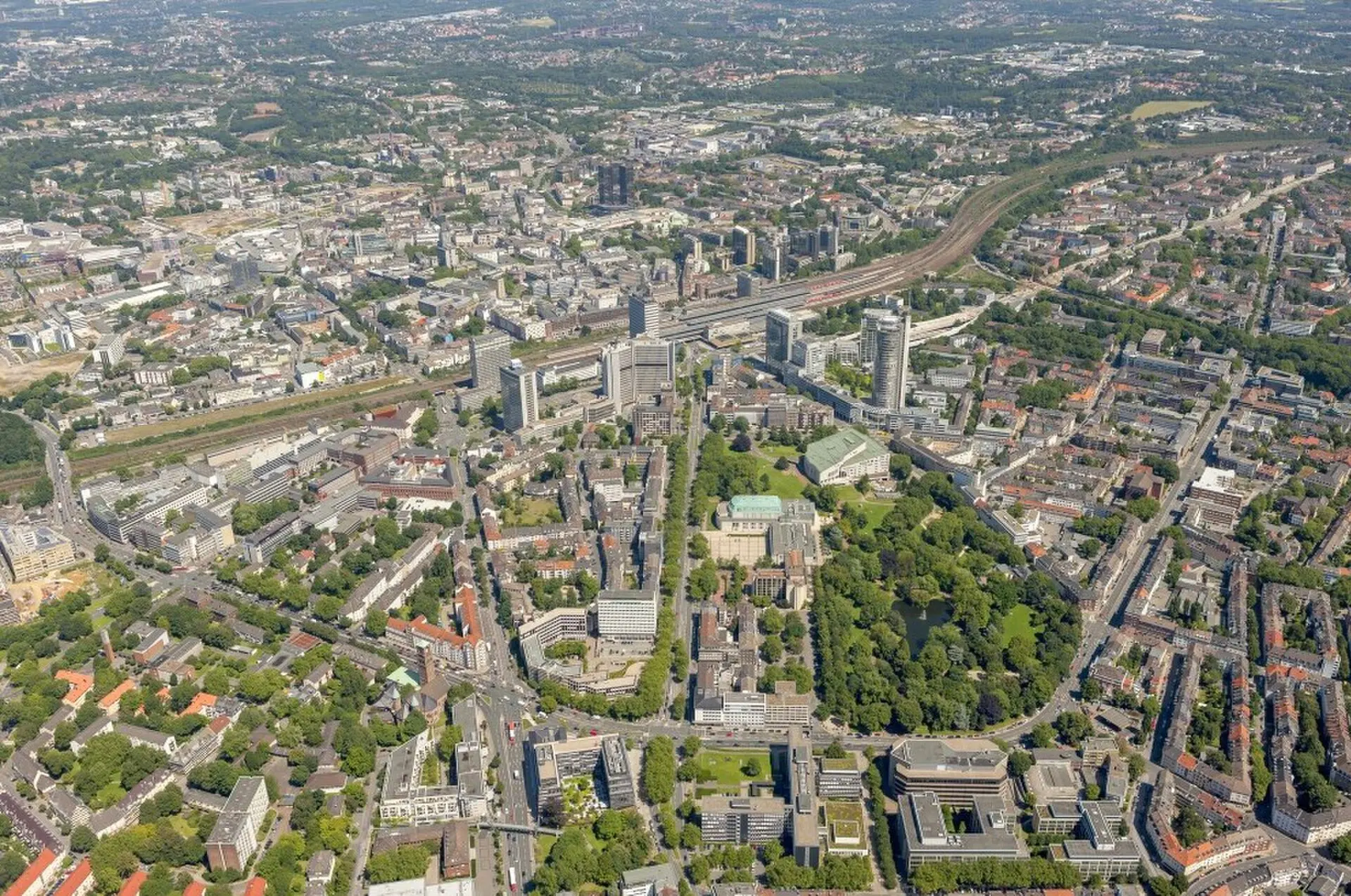
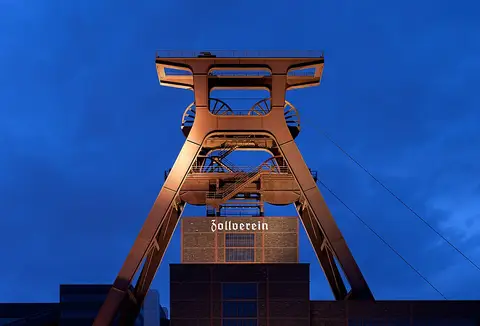
Travel guide · editorialWhere the world's largest hard coal mine once operated, a winding tower now stands as a landmark of industrial heritage, surrounded by museums, design studios, and green spaces. Essen has made an impressive transformation from coal city to cultural city, and in 2010 it served as European Capital of Culture on behalf of the entire Ruhr region. A trip to Essen reveals industrial history, a major art collection, and plenty of greenery in the south.
From Abbey to Mining Metropolis
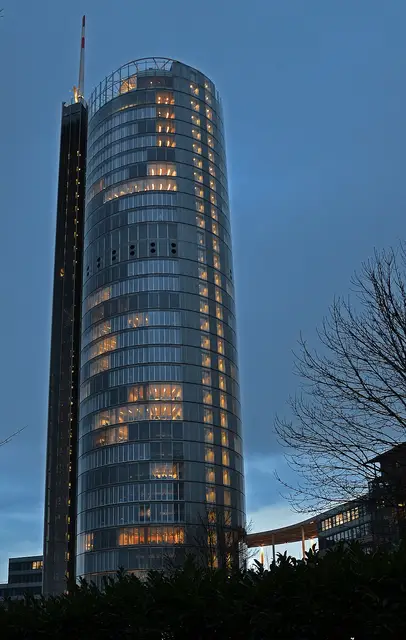
Essen grew up around a convent for women founded in the 9th century. The Essen Cathedral Treasury, home to the Golden Madonna, the oldest fully sculpted figure of the Virgin Mary in the Western world, recalls this era. In the 19th century, coal and steel made the city great; the Krupp family built an industrial empire here. After the end of mining, the city had to reinvent itself. Today, major energy and retail companies are headquartered in Essen, which likes to present itself as a green city and was European Green Capital in 2017.
Sights in Essen
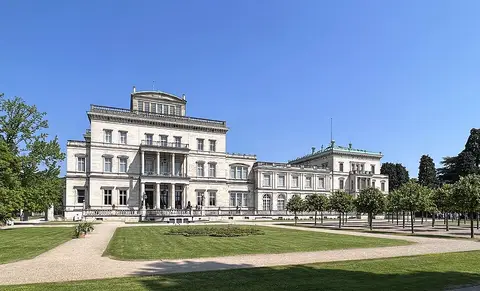
The Zollverein Coal Mine in the north is a UNESCO World Heritage Site. Its Bauhaus-style buildings, designed by Fritz Schupp and Martin Kremmer, are considered the "most beautiful coal mine in the world." In the former coal washing plant, the Ruhr Museum presents the natural and cultural history of the region, while the Red Dot Design Museum is housed in the old boiler house. In winter, there is ice skating at the coking plant. In the south, high above Lake Baldeney, stands Villa Hügel, the monumental residence of the Krupp family, set in a large park. The cathedral in the city center holds the Cathedral Treasury, and the Old Synagogue is one of the largest surviving synagogues in Germany and is now a house of Jewish culture.
Art and Culture
The Museum Folkwang has one of the most important collections of classical modern art in Germany, with works by Van Gogh, Gauguin, Cézanne, and the Expressionists; admission to the collection is free. The Aalto Theater, an opera house designed by the Finnish architect Alvar Aalto, and the Philharmonie shape the cultural life of the city. The Folkwang University of the Arts is based in the Werden district.
Neighborhoods and Going Out
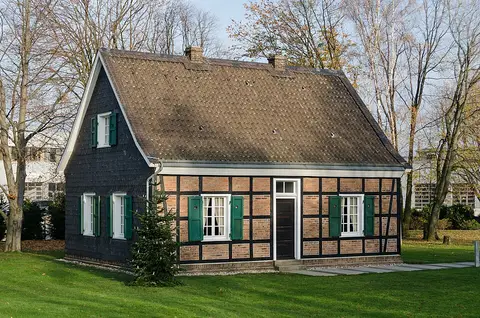
Rüttenscheid, known as "Rü," is the most popular nightlife district, with restaurants, bars, and cafés along Rüttenscheider Straße, which turns into an open-air promenade in summer. Holsterhausen and the Südviertel are lively residential neighborhoods, and Werden on the Ruhr has a pretty old town with half-timbered houses and a Romanesque abbey church. Typical Ruhr region fare such as currywurst, fries, and miners' food like Pfefferpotthast can be found in pubs and kiosks known as "Buden."
Getting Around and Best Time to Visit
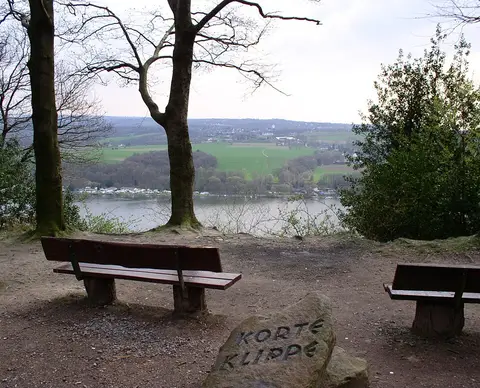
Düsseldorf Airport can be reached by suburban train or regional train in about 20 to 30 minutes. Essen is an ICE stop, and the cities of the Ruhr region are closely linked by suburban rail. The best time to visit is from May to September, when Lake Baldeney invites you to go sailing and cycling, and for the past few years swimming at an official swimming spot. Day trips lead to the Gasometer Oberhausen, the Landscape Park Duisburg-Nord, and Bochum's German Mining Museum. You can explore the Ruhr Valley by bike on the Ruhr Valley Cycle Path, and the Grugapark grounds in the south of the city, with a botanical garden and animal meadows, are a popular destination for families.