Discover Dortmund: Soccer, Phoenix Lake, and the U-Tower
Travel guide · editorialWhen Borussia Dortmund plays, the South Stand, Europe's largest standing-room terrace, comes together as the "Yellow Wall," and the whole city is on the edge of its seat. But Dortmund is more than soccer: it is a city with Hanseatic history, industrial landmarks, and a lake where a steelworks once stood. A trip to Dortmund shows the structural transformation of the Ruhr region like almost no other.
Hanseatic City, Coal, and Steel
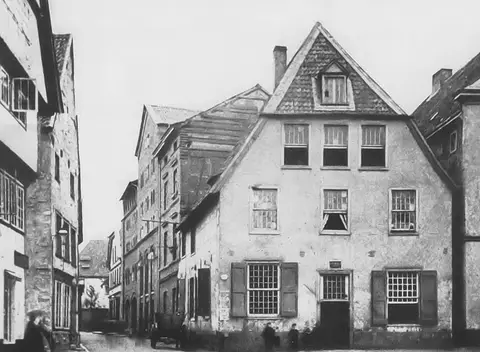
In the Middle Ages, Dortmund was a Free Imperial City and a member of the Hanseatic League. In the 19th century, the city grew rapidly on coal, steel, and beer. Until the 1970s, Dortmund was Europe's largest beer producer, and "Dortmunder Export" was known around the world. When the coal mines and blast furnaces closed, the city had to reinvent itself; today, logistics, IT, and universities are major employers.
Sights in Dortmund
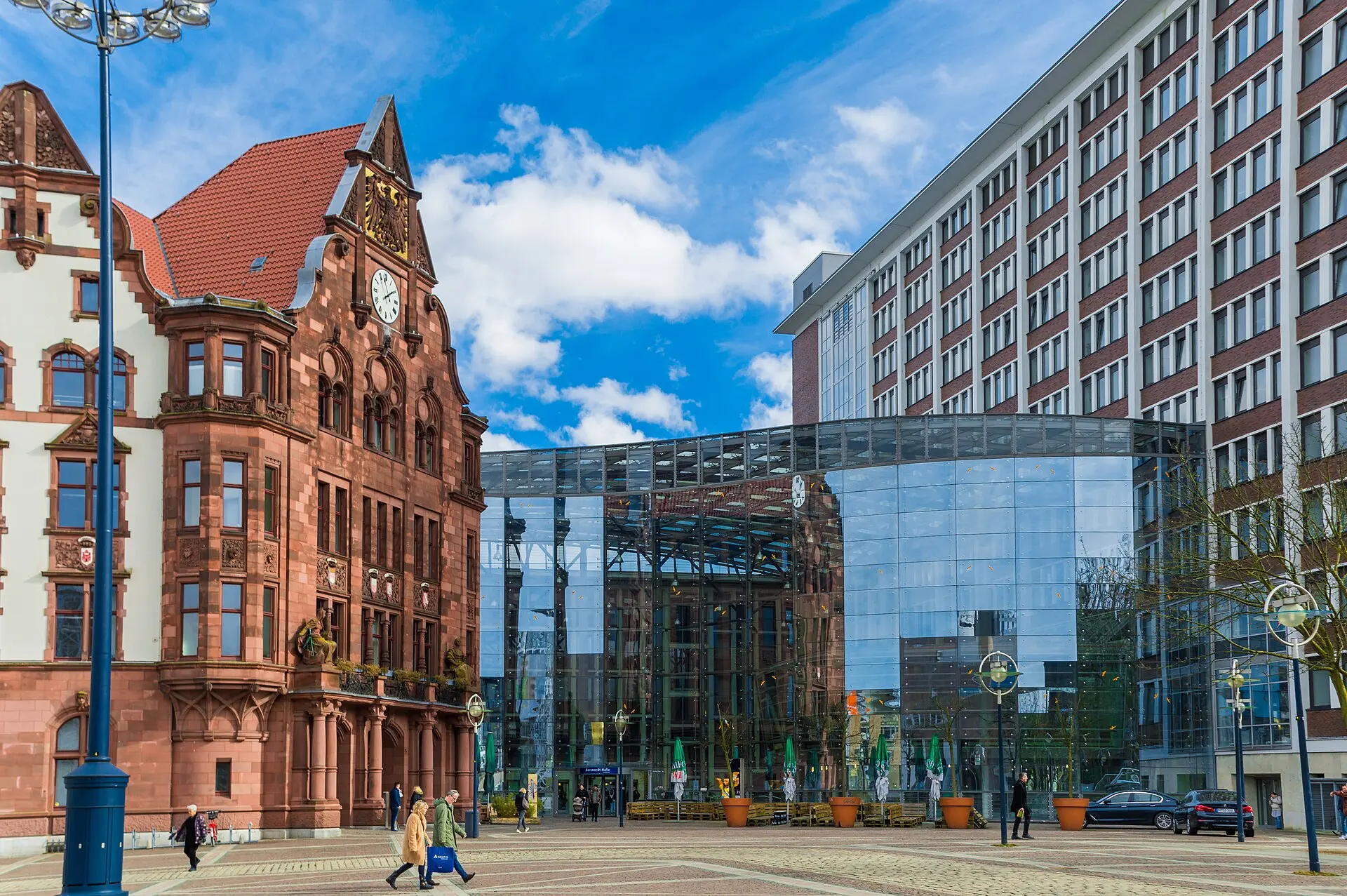
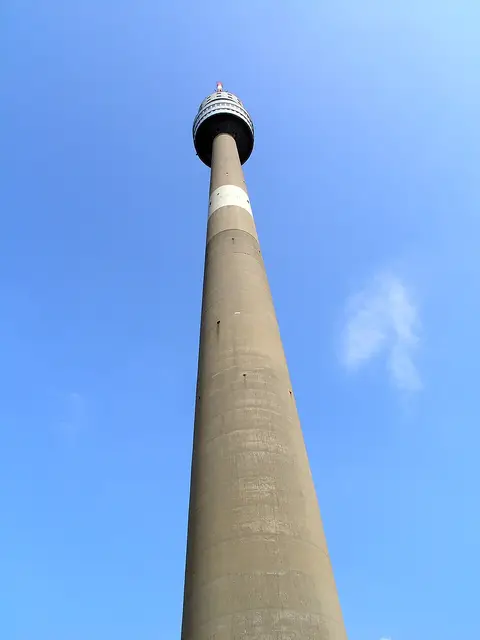
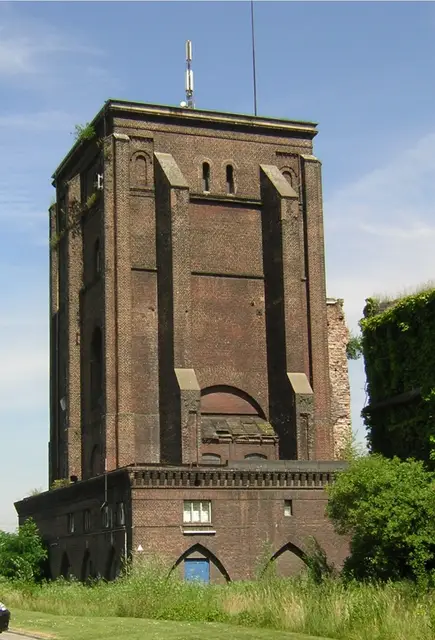
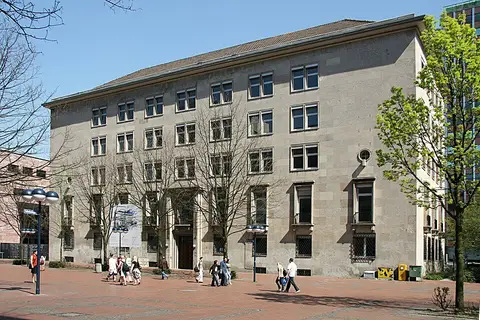
The Dortmunder U, a former cold-storage building of the Union Brewery with a large, illuminated "U" on its roof, is now a center for art and creativity and houses the Museum Ostwall. Around the Alter Markt in the city center stand the Reinoldikirche and the Marienkirche, with medieval altarpieces. To the south lies the Phoenix Lake in Hörde, created on the site of a former steelworks, with a promenade, a harbor, and modern residential buildings. At the neighboring Phoenix West blast furnace plant, you can climb an old blast furnace. Westfalenpark, with the Florian television tower, and the rose garden offer greenery and views.
Soccer and Museums
Borussia Dortmund's stadium, officially called Signal Iduna Park, is almost always sold out for Bundesliga matches; stadium tours offer a look behind the scenes. Across from the main train station, the German Football Museum tells the story of soccer in Germany. Zollern Colliery in Bövinghausen, a model mine with an Art Nouveau machine hall, is part of the LWL Industrial Museum, and the Hansa Coking Plant in Huckarde is also open to visitors. The Brewery Museum recalls the city's beer tradition.
Eating and Going Out
Typical of Dortmund are Pfefferpotthast, a beef stew, currywurst, and a freshly tapped pilsner or Export. The Kreuzviertel in the western inner city is the most popular nightlife district, with pubs and cafés, while the Nordstadt district around Borsigplatz, the birthplace of Borussia, is multicultural. In summer, festivals take place on Friedensplatz, and during Advent a giant Christmas tree stands on Hansaplatz, considered one of the largest in the world.
Getting Around and Best Time to Visit
Dortmund Airport lies to the east and is served mainly by low-cost carriers; a shuttle bus runs to the train station. Dortmund is a major ICE hub; light rail and S-Bahn lines connect the city and the region. The best time to visit is from May to September. Day trips lead to Schwerte and Hohensyburg, with views over the Ruhr, to Lake Hengstey, and to the other industrial landmarks on the Route of Industrial Heritage. On Bundesliga weekends, trains and hotels are full, and tickets for home games are hard to get without a club membership; attending a match of the women's team or the second team is an alternative. If you come in summer, you can enjoy open-air concerts in Westfalenpark; in December, the Christmas market draws visitors with its giant tree.