Discovering Düsseldorf: Altbier, the Kö and the Rhine Promenade
Travel guide · editorialLocals call their Old Town the "longest bar in the world," with more than 250 pubs and brewhouses packed into a tiny area. But the state capital of North Rhine-Westphalia is about more than Altbier: it's a city of art and fashion, home to a large Japanese community and one of the most beautiful riverside promenades on the Rhine. A vacation in Düsseldorf combines culture, shopping and Rhineland conviviality.
From a Village on the Düssel to a State Capital
The village at the mouth of the Düssel where it meets the Rhine received its town charter in 1288. It later became the residence of the Dukes of Berg, and around 1700 Elector Johann Wilhelm, known as "Jan Wellem," championed art and culture; his equestrian statue stands in front of the Town Hall. Heinrich Heine was born on Bolkerstraße in 1797. After World War II, Düsseldorf became the capital of the newly formed state of North Rhine-Westphalia and a center of administration, advertising and fashion.
Sights in Düsseldorf
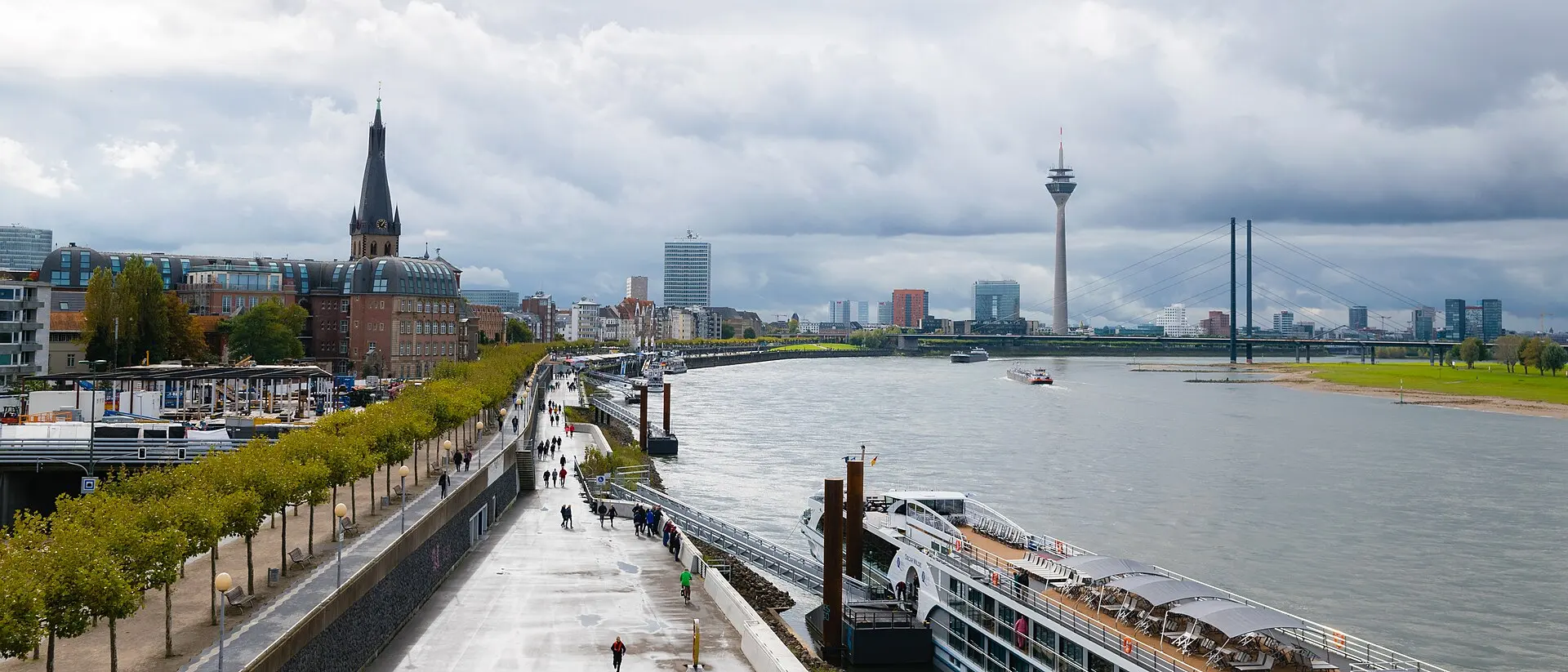
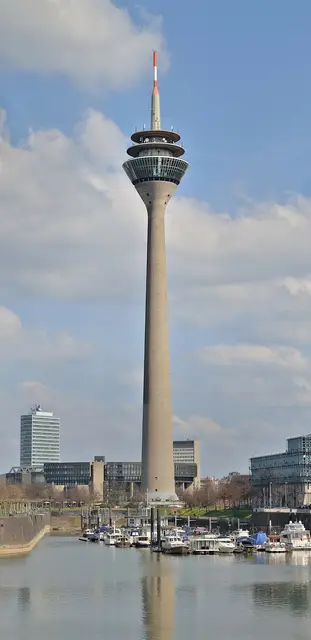
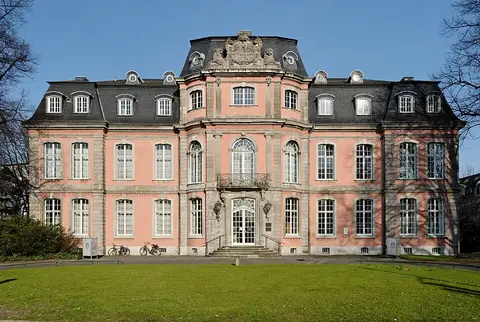
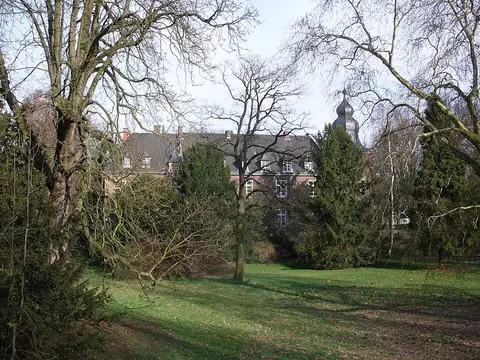
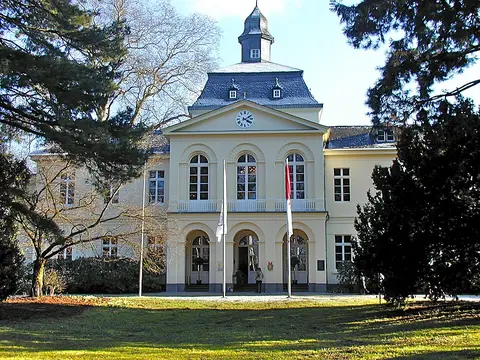
The Old Town sits right on the Rhine: at Burgplatz, the Castle Tower recalls the vanished ducal residence, and the Basilica of St. Lambertus has a twisted spire. The Rhine Promenade runs above a tunnel that has taken car traffic out of sight, all the way to the Media Harbor with its leaning Gehry buildings. The Rhine Tower offers a restaurant and views at a height of about 170 meters. The Königsallee, or Kö for short, stretches along a city moat lined with chestnut trees and bridges; luxury boutiques stand shoulder to shoulder here. New is the Kö-Bogen complex with its green-covered Kö-Bogen II. The Hofgarten and Jägerhof Palace with the Goethe Museum are good places to spend a quiet few hours, while Benrath Palace in the south is a Rococo pleasure palace.
Art and Culture
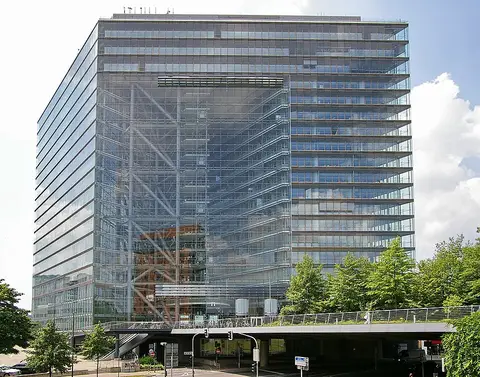
Düsseldorf has a famous art academy where Joseph Beuys, Gerhard Richter and the photographers Bernd and Hilla Becher taught or studied. The Kunstsammlung Nordrhein-Westfalen shows classic modern art at K20 and contemporary art at K21 in the former Ständehaus. The Kunstpalast in the Ehrenhof spans works from several centuries. The Deutsche Oper am Rhein and the Schauspielhaus with its curved facade are part of the city's cultural landscape.
Neighborhoods with Character
In Little Tokyo around Immermannstraße lives one of the largest Japanese communities in Europe, with supermarkets, bookstores and ramen bars with lines out the door. Pempelfort and Stadtmitte are lively residential and shopping districts, while Unterbilk and Friedrichstadt tempt with cafés and restaurants. Flingern Nord has developed into a creative neighborhood with boutiques and galleries, and Oberbilk has a multicultural character. On the left bank of the Rhine lies Oberkassel with its Art Nouveau houses and quiet tree-lined avenues, a popular residential area with views of the Old Town.
Eating and Going Out
The dark, top-fermented Altbier is served fresh from the barrel in small glasses at the Old Town's house breweries. People pair it with Halve Hahn (a rye roll with cheese), Rhenish sauerbraten, raw-pork rolls or mussels "Rhenish style" in the months with an "r." Restaurants in Düsseldorf range from rustic brewhouses to high-quality Japanese eateries. Düsseldorf mustard is a local specialty you can buy in mustard shops. Carnival hardly takes a back seat to Cologne's: the highlight is the Rose Monday parade with its political floats.
Getting Around and Best Time to Visit
The airport is the third largest in Germany and is connected to the main train station in about ten minutes by S-Bahn and Skytrain. Subways and trams serve the city, and Cologne and the Ruhr region are quickly reached by S-Bahn. The best time to visit is May through September, when you can sit on the Rhine meadows in Oberkassel with a view of the Old Town skyline. In July the left bank of the Rhine turns into the Largest Fair on the Rhine, which draws millions of visitors with its Ferris wheel and fireworks. Worthwhile excursions lead to the Neander Valley, where the bones of Neanderthal man were found in 1856 and where a museum now stands, to the Hombroich Museum Island near Neuss, where art and nature merge, and to the Ruhr region with its industrial monuments. Cologne is also less than half an hour away by regional train; despite the traditional rivalry between the two cities, it makes a worthwhile day trip. A walk around the Media Harbor in the evening light shows off the modern architecture at its best.