
Discovering Cologne: Cathedral, Kölsch and Carnival
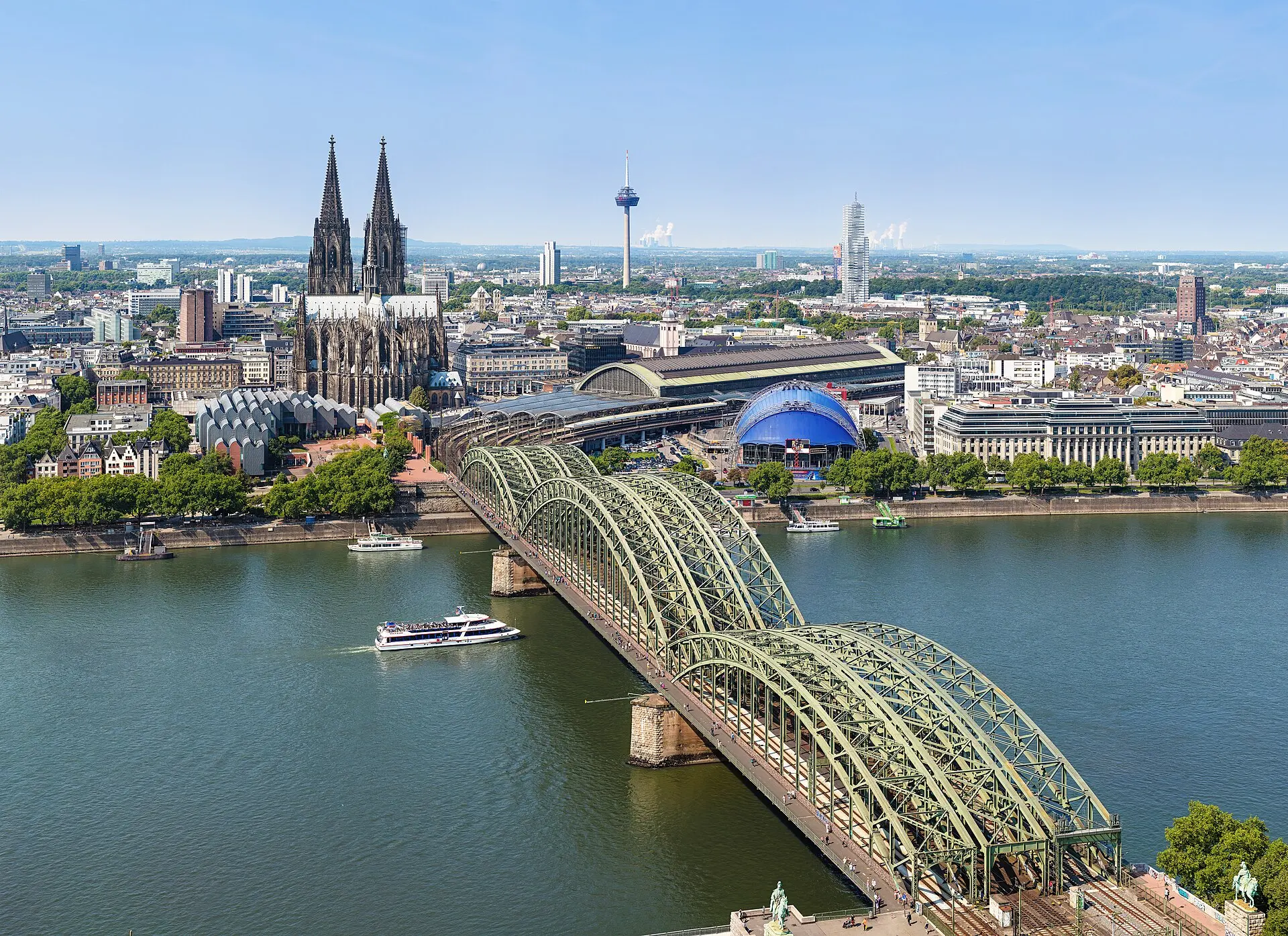
Travel guide · editorialIf you arrive in Cologne by train, you step out of the main station and find yourself right in front of the cathedral's towers – one of the most impressive arrivals in Europe. Cologne is two thousand years old, Catholic and exuberant at the same time, with brewhouses, Carnival and a big art scene. A city break in Cologne shows why the locals sing their city's praises so heartily.
From Roman City to Cathedral City
In 50 AD the Romans founded the Colonia Claudia Ara Agrippinensium here, named after Empress Agrippina, who was born in the settlement. The abbreviation "Colonia" became "Köln" (Cologne). In the Middle Ages, Cologne was the largest city in Germany, a Free Imperial City and a destination for pilgrims traveling to the relics of the Three Kings. World War II destroyed the old town almost completely; only the cathedral remained standing, heavily damaged.
Sights in Cologne
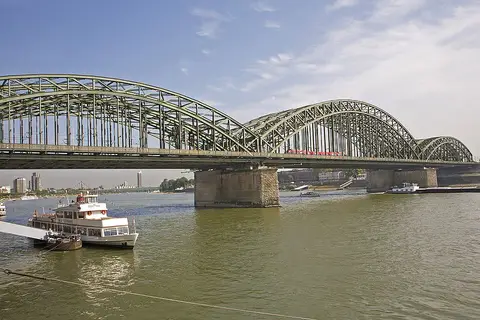
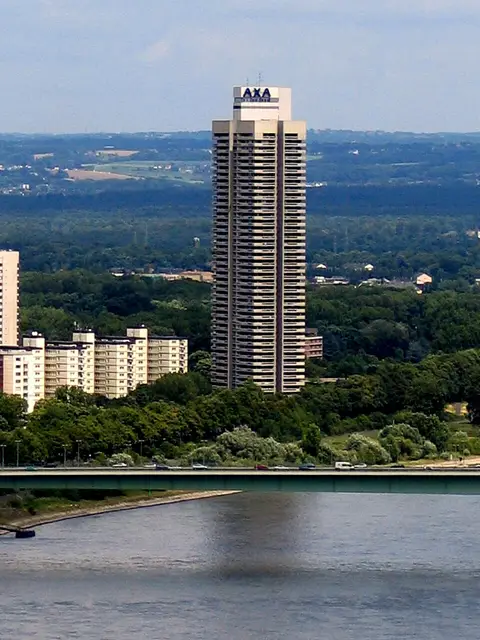
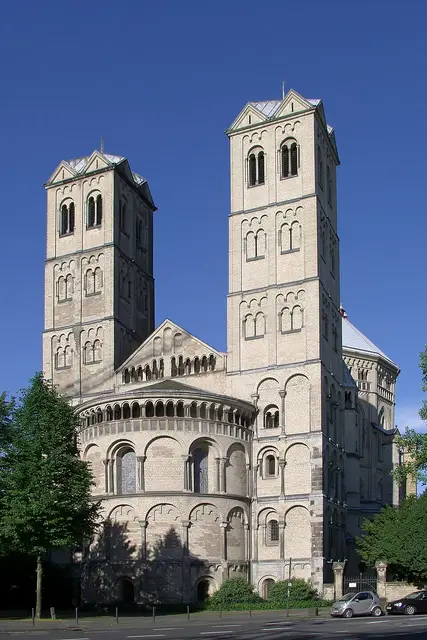
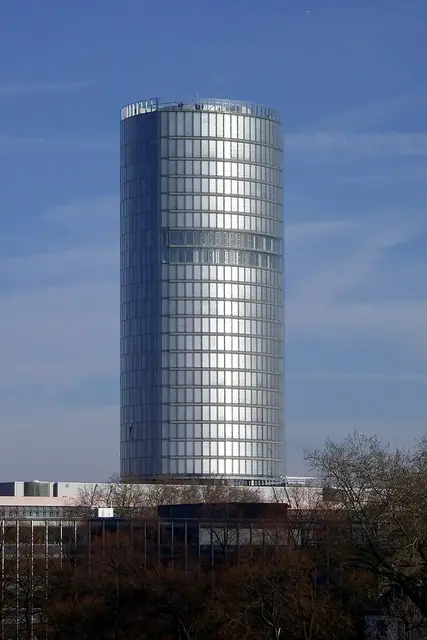
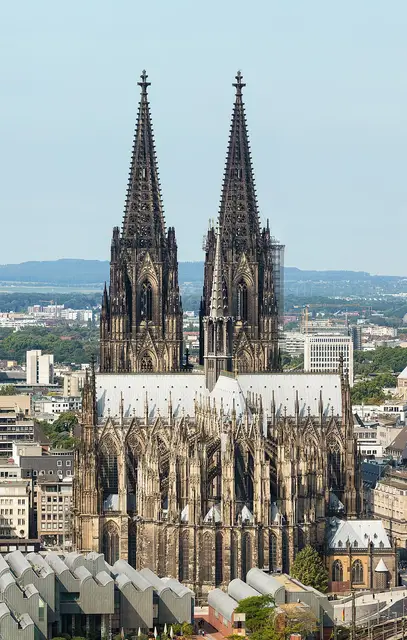
No one gets past Cologne Cathedral, begun in 1248 and not completed until 1880: the Gothic cathedral, with towers more than 157 meters (515 feet) high, is a UNESCO World Heritage Site and houses the golden Shrine of the Three Kings, and if you climb the more than 500 steps up the south tower, you'll look far out over the Rhine and the city. Twelve large Romanesque churches, including St. Gereon, St. Maria im Kapitol and Great St. Martin, surround the old town. The Hohenzollern Bridge is hung with tens of thousands of love locks. The Chocolate Museum sits on the Rhine, and across the river on the right bank, the Triangle skyscraper offers a view of the cathedral's façade.
Museums and Culture
The Roman-Germanic Museum displays the Dionysus Mosaic, which is temporarily shown at an alternative venue during renovations. The Museum Ludwig has one of the largest Pop Art collections in Europe and many works by Picasso, while the Wallraf-Richartz Museum shows painting from the Middle Ages to Impressionism. Kolumba, a building by Peter Zumthor on the ruins of a church, combines old and new art. Cologne is also a media city and home to major TV broadcasters, and Art Cologne, one of the world's oldest art fairs, takes place here. In summer, the Kölner Lichter festival draws crowds with fireworks over the Rhine.
Neighborhoods and Nightlife
The Altstadt-Nord with its alleys and brewhouses on the Rhine is popular with visitors, while Cologne locals themselves go out in the Belgian Quarter in Neustadt-Nord and in Ehrenfeld with its clubs and street art. The student district Kwartier Latäng around Zülpicher Straße, the Agnes Quarter and Sülz are lively residential neighborhoods. In the Severinsviertel in Altstadt-Süd you can still feel the old "Veedel" (neighborhood) spirit, with corner pubs, small shops and the Stollwerck site, where chocolate was once produced. On the right bank of the Rhine, Mülheim has developed into a hub for culture and events, centered on the Carlswerk, a former cable factory. In summer, young people gather on the Rhine meadows in Deutz and at the Rheinauhafen with its Crane Houses, three huge office towers shaped like upturned harbor cranes. The Stadtwald and the Grüngürtel, a large ring of parks, offer plenty of room for walks and bike rides.
Kölsch, Cuisine and Carnival
Kölsch is served in slender 0.2-liter glasses called Stangen, and the Köbes, the waiter in the blue shirt, automatically brings a fresh one until you place a coaster on top of your glass. It's accompanied by Halve Hahn, a rye roll with cheese, Himmel un Ääd with blood sausage, potato pancakes and Rhenish sauerbraten. Carnival begins on November 11 at 11:11 a.m. and reaches its peak between Weiberfastnacht (Women's Carnival Thursday) and Rosenmontag (Rose Monday), when the city celebrates in costume and the Rose Monday parade winds through the streets.
Getting Around and Best Time to Visit
Cologne Bonn Airport lies to the southeast and can be reached in 15 minutes by S-Bahn and regional trains; Düsseldorf is not far away. Cologne is a major ICE hub with fast connections to Frankfurt, Brussels and Amsterdam. In the city, light rail and buses run. The best time to visit is from May to September; for party lovers, Carnival; for romantics, Advent with its several Christmas markets. Excursions lead to Bonn, Brühl with the Augustusburg and Falkenlust palaces, and into the Bergisches Land. A boat trip on the Rhine heads toward the Siebengebirge with the Drachenfels, where the castle ruins offer a sweeping view of the Rhine Valley.