Discover Hanoi: Lakes, Old Quarter Alleys, and Phở
Travel guide · editorialEarly in the morning, retirees do aerobics at Hoàn Kiếm Lake, and the first pots of soup are steaming in the alleys of the Old Quarter: Hanoi is more than a thousand years old and remarkably lively. A city trip to Hanoi combines temples, colonial boulevards, and some of the best street food in Asia.
A Thousand Years of Thăng Long
In 1010, Emperor Lý Thái Tổ moved his capital to the Red River and named it Thăng Long, "ascending dragon" – according to legend, because he saw a dragon rise from the water. For centuries the city was the seat of dynasties, until the Nguyễn rulers moved the court to Huế in 1802. It received its present name, "City Within the Rivers," in 1831. Beginning in 1883, the French made Hanoi the capital of French Indochina, laid out the district south of the lake, and built the Long Biên Bridge. In 1945, Ho Chi Minh declared independence in Ba Đình Square, and the city was heavily bombed during the war. Since reunification in 1976, it has been the capital of all of Vietnam.
Old Quarter and Neighborhoods
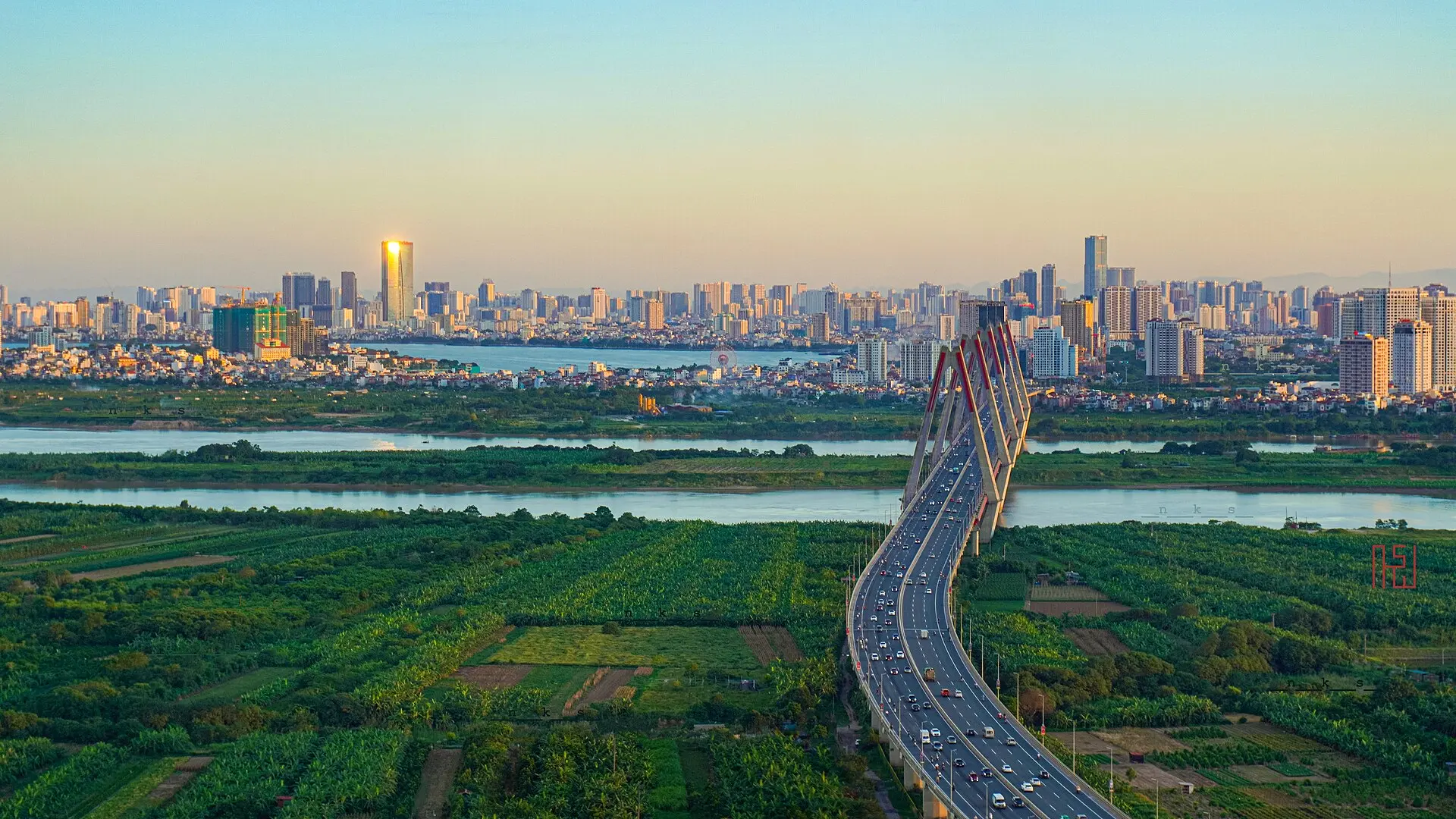
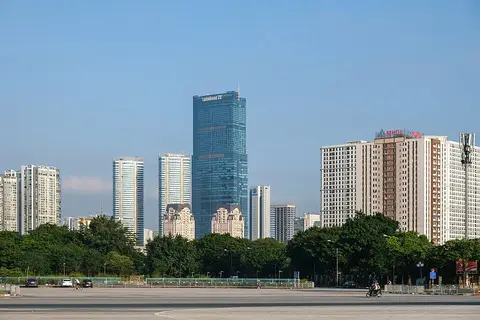
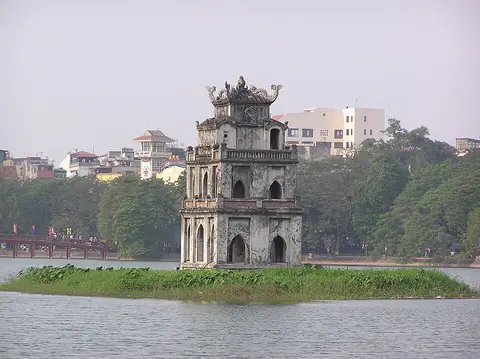
The heart of the city is Hoàn Kiếm, with its namesake lake, the red Thê Húc Bridge, and the Ngọc Sơn Temple. To the north lies the Old Quarter, known as the 36 Streets, where traditionally each street was devoted to a particular craft: Hàng Bạc for silver, Hàng Mã for paper offerings, Hàng Gai for silk. On weekend evenings, the area around the lake becomes a pedestrian zone. To the south is the French Quarter with its opera house, villas, and the Hotel Metropole, today part of Hai Bà Trưng and Hoàn Kiếm. In the north, Tây Hồ sits on West Lake, with the Trấn Quốc Pagoda, cafés, and plenty of expats. Modern districts such as Cầu Giấy, Yên Hòa, and Hà Đông show the fast-growing Hanoi of high-rises and shopping malls.
Sights in Hanoi
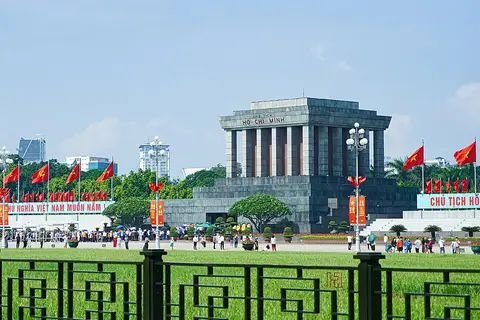
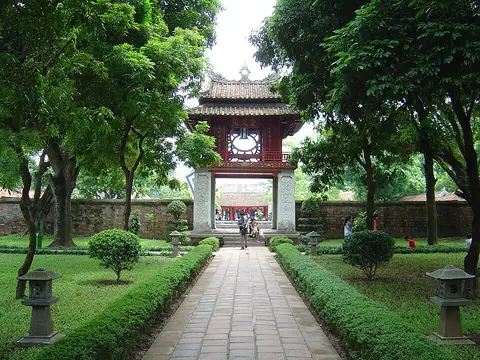
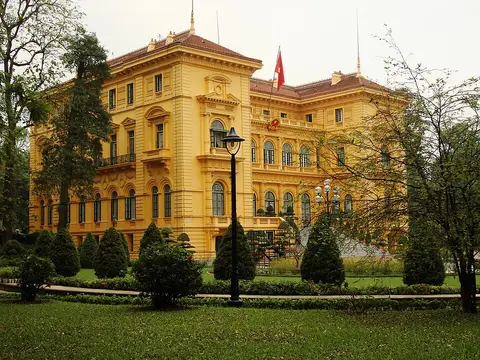
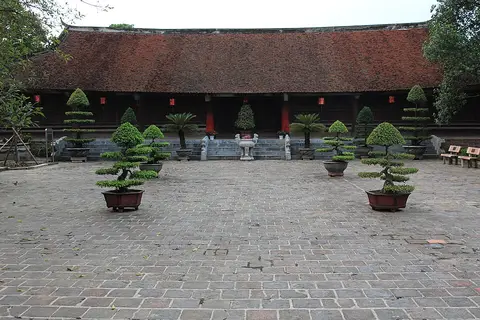
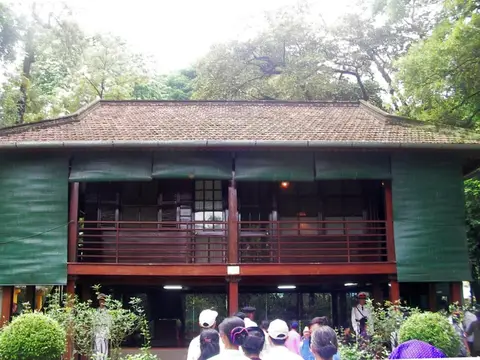
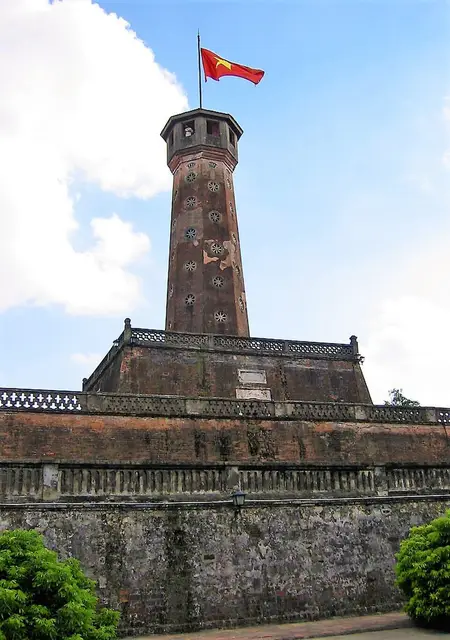
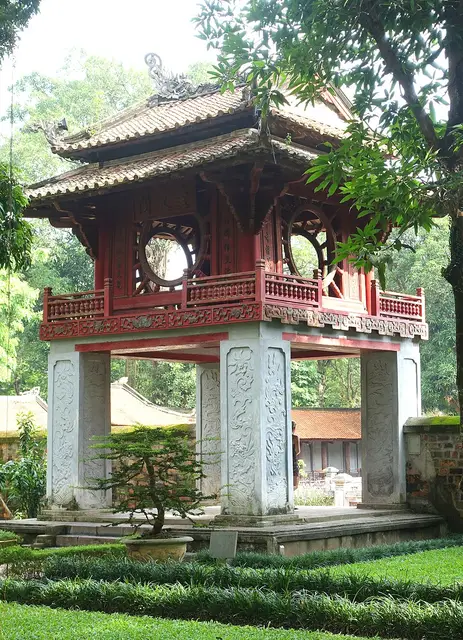
The Temple of Literature, dating from 1070, is considered Vietnam's first university; the names of successful examinees are inscribed on stone steles resting on turtles. At Ba Đình Square, Ho Chi Minh lies in his mausoleum, next to his simple stilt house and the One Pillar Pagoda. The Imperial Citadel of Thăng Long is a UNESCO World Heritage Site and displays excavations from several dynasties. A popular photo spot is "Train Street," where trains pass just inches from the walls of houses; access is repeatedly restricted, however. You can cross the Long Biên Bridge over the Red River on foot, which is especially atmospheric at sunset.
Museums and Culture
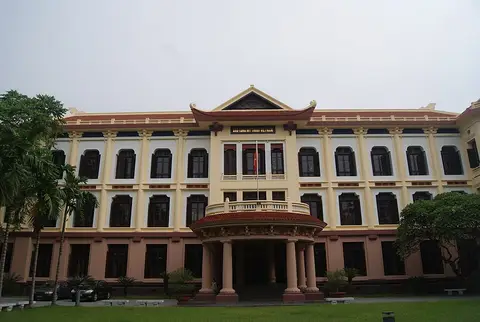
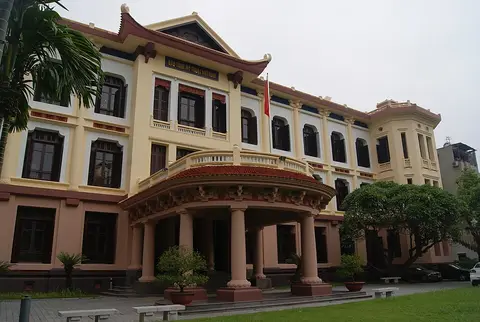
The Museum of Ethnology in Cầu Giấy presents Vietnam's 54 ethnic groups, with true-to-life longhouses and communal houses in the garden. The Hỏa Lò Prison, nicknamed the "Hanoi Hilton" by American pilots, tells the story of colonial oppression and war. The Vietnamese Women's Museum and the National Fine Arts Museum are also worthwhile. In the evening, the Thăng Long Water Puppet Theater performs an art form that originated in the rice paddies of the delta.
Eating in Hanoi
Hanoi is the home of phở: clear beef broth, rice noodles, and fresh herbs, eaten for breakfast. Just as famous is bún chả, grilled pork with noodles and a sweet-and-sour broth, which gained international attention in 2016 when Barack Obama visited a simple eatery to try it. Chả cá Lã Vọng, fish fried with turmeric and dill, even has an alley named after it. Then there's bánh cuốn, steamed rice rolls, and egg coffee with whipped egg yolk, invented in the 1940s when milk was scarce. If you'd rather sample things at a relaxed pace, the Old Quarter offers cooking classes that begin with a walk through Đồng Xuân Market, the city's largest covered market, and then prepare spring rolls, bún chả, and herb salads together. In the evening, people sit at intersections in the Old Quarter over bia hơi, freshly tapped, very cheap beer.
Nightlife and Festivals in Hanoi
Hanoi is quieter in the evening than Saigon, but by no means boring. In the Old Quarter, young people gather at the Tạ Hiện intersection, the "Beer Street," on low stools under strings of lights. On West Lake in Tây Hồ, cocktail bars, craft breweries, and restaurants with lake views have set up shop. Jazz clubs, small live-music venues, and cafés in old colonial apartments are also part of the scene; especially typical are the hidden cafés that you can only reach via stairwells and back courtyards. On weekends, the area around Hoàn Kiếm Lake turns into a car-free zone with street performers, tug-of-war, and children on electric toy cars. For the Lunar New Year, Tết, there are fireworks at the lake, and before the holiday, markets such as Hàng Lược sell peach blossom branches and little kumquat trees. For the Mid-Autumn Festival, Hàng Mã Street turns red and gold with lanterns and masks.
Getting Around, Best Time to Visit, and Excursions
Nội Bài Airport is about 19 miles (30 km) to the north; buses and ride-hailing services take 40 to 60 minutes to reach the center. In the city, two metro lines, buses, and app-based motorbike taxis operate; you'll explore the Old Quarter on foot. Hanoi has four seasons: Fall, from October to December, is considered the best time to visit, with clear days and mild temperatures. Winter can be damp and cool, and summer is hot with heavy downpours. Popular excursions head to Ha Long Bay, to Ninh Bình with its karst mountains, and to the Perfume Pagoda. Closer by are the craft villages in the surrounding area: Bát Tràng has been known for ceramics for centuries, silk fabrics are woven in Vạn Phúc, and the old village of Đường Lâm has laterite houses that give an impression of rural northern Vietnam. If you want to travel farther, take the night train to Lào Cai to head up to the mountains of Sa Pa, or the Reunification Express toward Huế and Saigon.