Moldova: Wine Cellars, Monasteries, and Rolling Hills
Travel guide · editorialThe Republic of Moldova is one of the least-visited countries in Europe, yet it is home to some of the largest wine cellars in the world, monasteries built into cliffs, and villages where guests are still welcomed with bread and salt. A vacation in Moldova is relaxed, affordable, and full of encounters.
A Country Between the Prut and the Dniester
Moldova lies between Romania and Ukraine, framed by the Prut and Dniester rivers. The landscape consists of rolling hills, vineyards, sunflower fields, and small forests, and the climate is continental with hot summers. The official language is Romanian, but you will also hear a lot of Russian in everyday life, especially in the capital and in the south, where the Gagauz speak their own Turkic language. Since 2022, Moldova has been an official candidate for membership in the European Union. The narrow strip of land east of the Dniester, Transnistria, is not under the control of the government in Chișinău and is run by an administration that is not internationally recognized. The German Federal Foreign Office advises against travel there, and consular assistance is only available to a limited extent.
Chișinău: A Green Capital with a Soviet Legacy
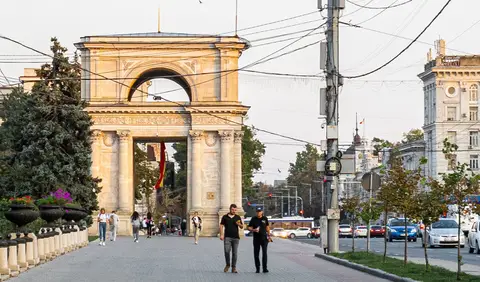
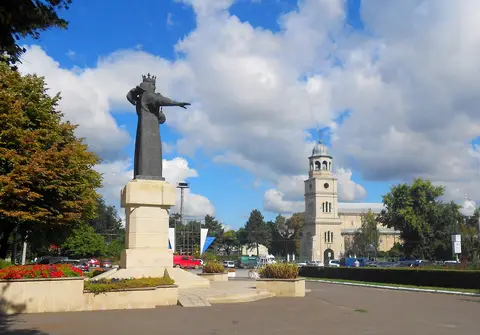
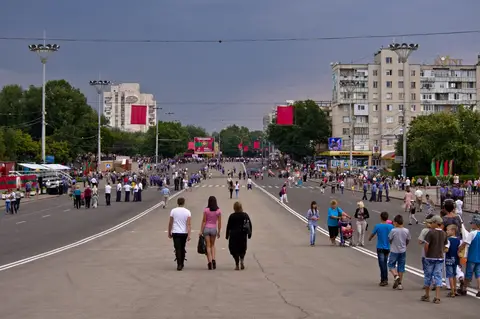
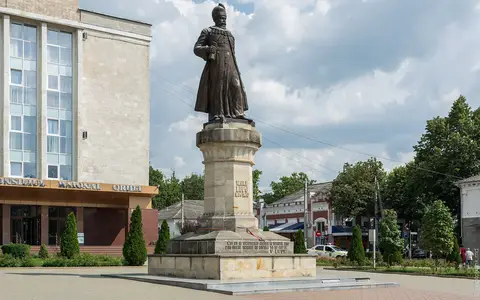
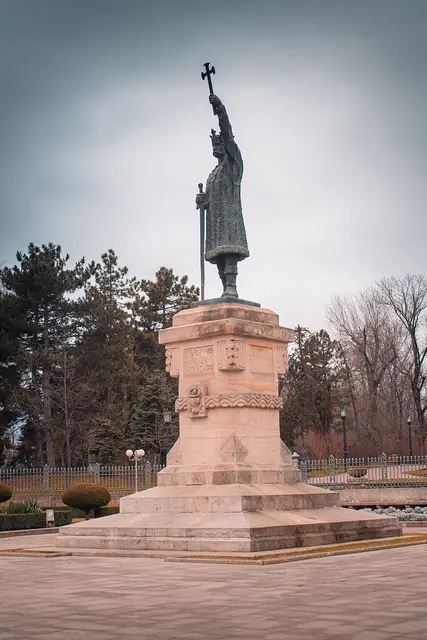
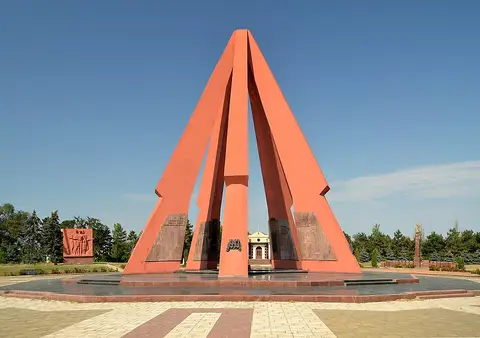
Chișinău, also spelled Kishinev in older sources, is surprisingly green: parks such as Stefan cel Mare Park and the large Valea Morilor Lake with its long staircase shape the look of the city. Along the main boulevard you will find the Nativity Cathedral with its freestanding bell tower, a 19th-century triumphal arch, and Soviet-style government buildings. The Central Market is an experience in itself: farmers' wives sell pickled vegetables, honey, homemade cheese, and wine in plastic bottles. At the National Museum of History and Archaeology, a huge diorama tells the story of the wars of the 20th century. The cafés and wine bars in the city center have become noticeably more diverse in recent years, and prices are far below Western European levels.
Wine Cellars and Wine Routes
Wine is the country's calling card, and Moldova's best-known sights are in fact underground. Mileștii Mici is listed by Guinness World Records as the largest wine collection in the world, with roughly 125 miles of tunnels and millions of bottles; part of it can be toured by driving through in your own car. Cricova, just a few miles outside Chișinău, has an underground network of streets named after grape varieties such as Cabernet and Sauvignon, where state guests have also been entertained. Smaller estates such as Château Purcari in the south, Asconi, and Et Cetera offer tastings, overnight stays, and cuisine made with their own ingredients. Native grape varieties such as the white Fetească Albă and the red Rară Neagră are worth comparing with international varieties. On the first weekend of October, the whole country celebrates National Wine Day with stands and music in the center of the capital.
Orheiul Vechi and the Monasteries
About an hour north of Chișinău, the Răut River winds its way through a limestone gorge. This is where you will find Orheiul Vechi, an open-air site with the remains of a medieval city, hills full of finds from the time of the Getae, and a cave monastery that monks dug into the cliff face. The cave monastery is still in use today, and the church at the top of the rock is a popular photo spot. In the village of Butuceni, you can stay overnight in guesthouses and try plăcintă, baked fresh in a wood-fired oven. The town of Orhei itself is the main center of the region. In the north, along the Dniester, are the monasteries of Saharna and Țipova, the latter also built into the rock, as well as Soroca Fortress, a circular stronghold from the 15th and 16th centuries. Bălți, the second-largest city, is mainly a transportation hub and the commercial center of the north.
Food and Drink
Moldovan cuisine is similar to Romanian, with Ukrainian, Russian, and Turkish influences. Mămăligă, the thick cornmeal porridge, is eaten with brânză, a salty sheep's cheese, and smântână, sour cream, often alongside tochitură, a pork dish topped with a fried egg. Zeamă, a tangy chicken soup with homemade noodles, is considered a remedy for almost everything. Plăcinte filled with pumpkin, cabbage, or cheese are available on every corner, and sarmale in grape or cabbage leaves are served at every wedding. In the south, the Gagauz cook dishes such as kaurma, made with braised lamb, that are more reminiscent of Anatolia. With wine, many Moldovans like to drink Divin, a brandy that was sold as cognac throughout the Soviet Union.
Getting Around and the Best Time to Visit Moldova
If you travel beyond the major Moldova destinations, you will often be spontaneously invited into villagers' homes for a glass of homemade wine, and a few words of Romanian or Russian will open many doors. Distances are short, and no destination is more than three or four hours by car from the capital. Minibuses, known as rutiere, connect almost every village with Chișinău, departing from the Central or Northern Bus Station. A rental car makes it easier to visit wineries; if you plan to taste wine, arrange for a driver. Night trains and buses connect the capital with Bucharest and Iași in Romania. The best time to visit Moldova is May and June, when the acacias bloom, as well as September and October during the grape harvest, with temperatures between 64 and 79°F. In July and August it is often hotter than 86°F, and winters are cold, with frost and snow from December through February.