Chișinău: Green Capital and Wine Cellars
Travel guide · editorialChișinău (also spelled Kishinev in English) is the capital of the Republic of Moldova and one of the greenest cities in Eastern Europe, with wide avenues, parks, and lakes. A trip to Chișinău combines Soviet modernism and 19th-century churches with a lively market, a growing café scene, and the largest wine cellars in the world just outside the city.
The City
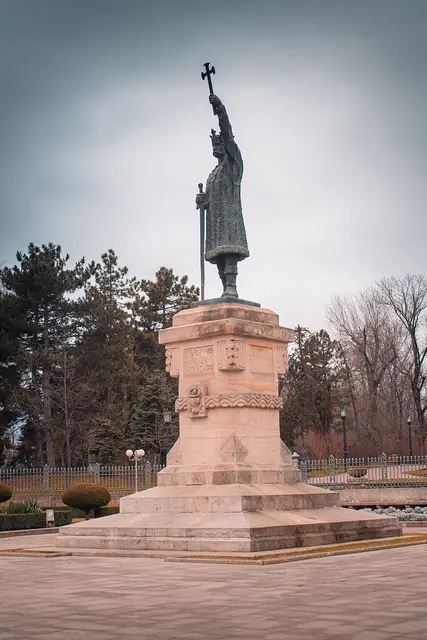
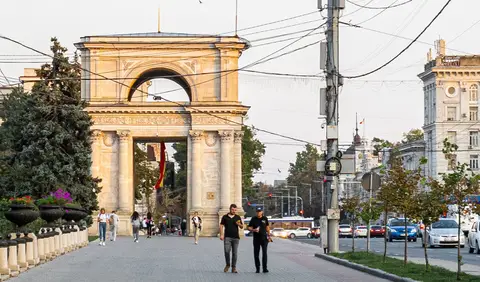
Chișinău lies on hills along the small Bîc River. In the 19th century it was laid out on a grid pattern as the capital of the Russian province of Bessarabia; after heavy destruction in World War II, a large part of the city was rebuilt in the Soviet style. Ștefan cel Mare Boulevard runs through the center; along it you'll find Cathedral Park with the Nativity Cathedral and a freestanding bell tower, the Triumphal Arch, and the government building. Ștefan cel Mare Park, with its monument to the Moldavian prince, is the oldest in the city. Larger green spaces include Valea Morilor Park with its lake and cascading staircase, and the park at La Izvor Reservoir.
Sights in Chișinău
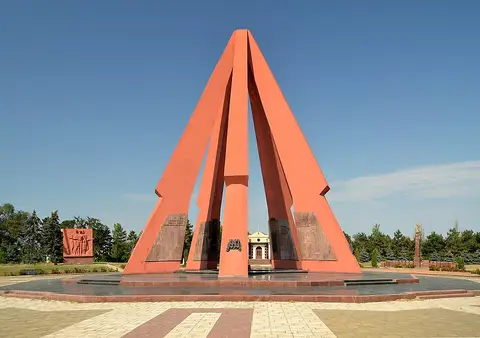
Sights in Chișinău include the National Museum of Ethnography and Natural History in a Moorish-style building, the National Art Museum, and the History Museum. The high-rises at the city entrance, the "Gates of the City," are an example of Soviet architecture. The Central Market (Piața Centrală) offers fruit, vegetables, honey, cheese, and pickled vegetables from all over the country. A memorial commemorates the victims of the 1903 pogrom and the Jewish life that once made up a large part of the city's population.
It's worth taking a stroll along Strada Pușkin, where the house in which Alexander Pushkin lived during his exile still stands, and through the lanes on the edge of the center with their low 19th-century houses. The Ciuflea Church with its blue domes and the Armenian church are worthwhile witnesses to the city's history. On weekends, families gather in the parks, and in the evening people head to the bars along 31 August 1989 Street.
Wine and Cuisine
Just a few miles to the north lies Cricova, with an underground labyrinth of cellar tunnels more than 100 kilometers long, which you can drive through by car. South of the city, Mileștii Mici holds the largest wine collection in the world, according to the Guinness Book of Records. Moldovan wines made from native grape varieties such as Fetească Neagră, Rară Neagră, and Fetească Albă are experiencing a renaissance. At the table you'll find mămăligă with sheep's cheese and sour cream, sarmale, plăcintă (a pastry filled with cheese, pumpkin, or cabbage), and zeamă, a tangy chicken soup. In October the city celebrates National Wine Day.
Excursions Around Chișinău
From Chișinău, you can reach several destinations in a single day: the Orheiul Vechi cave monastery in the Răut Valley, Căpriana Monastery in the Codri forests, and the Purcari winery in the south, known for its red wines. In the north, the fortress of Soroca on the Dniester is worth a visit. Many wineries offer tastings with overnight stays, and small guesthouses in the countryside serve homemade meals.
Getting There and Best Time to Visit
Chișinău Airport is served from several German and European cities; trains and buses connect the city with Romania, for example via Iași, and with Odessa in Ukraine. Within the city, trolleybuses and minibuses run. The best time to visit is May to June and September to October, when the grape harvest and wine festival take place; summers are hot and winters are cold.