Discover Chișinău: Parks, Wine and Soviet Modernism
Travel guide · editorialWide, tree-lined boulevards, large parks and some of the world's biggest wine cellars underground: Chișinău, the capital of the Republic of Moldova, is one of Europe's greenest capitals and still little known. A trip to Chișinău is a discovery for the curious, with Soviet modernism, Orthodox churches, markets and a wine culture that can hold its own.
From provincial town to capital
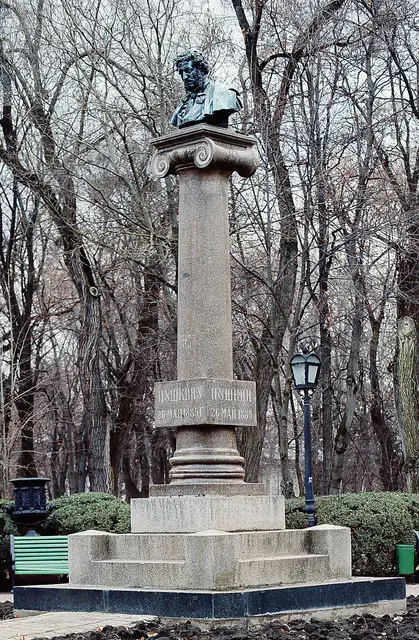
Chișinău was first mentioned in the 15th century and for a long time was a small market town in the Principality of Moldavia. In 1812 Bessarabia fell to the Russian Empire, and Chișinău became a provincial capital with straight streets and neoclassical buildings; the poet Alexander Pushkin lived here in exile for a few years. Between the world wars the city belonged to Romania, afterward to the Soviet Union. Heavily destroyed in World War II, it was rebuilt in the Soviet style. Since 1991 Chișinău has been the capital of the independent Republic of Moldova, which began EU accession negotiations in 2024.
Sights in Chișinău
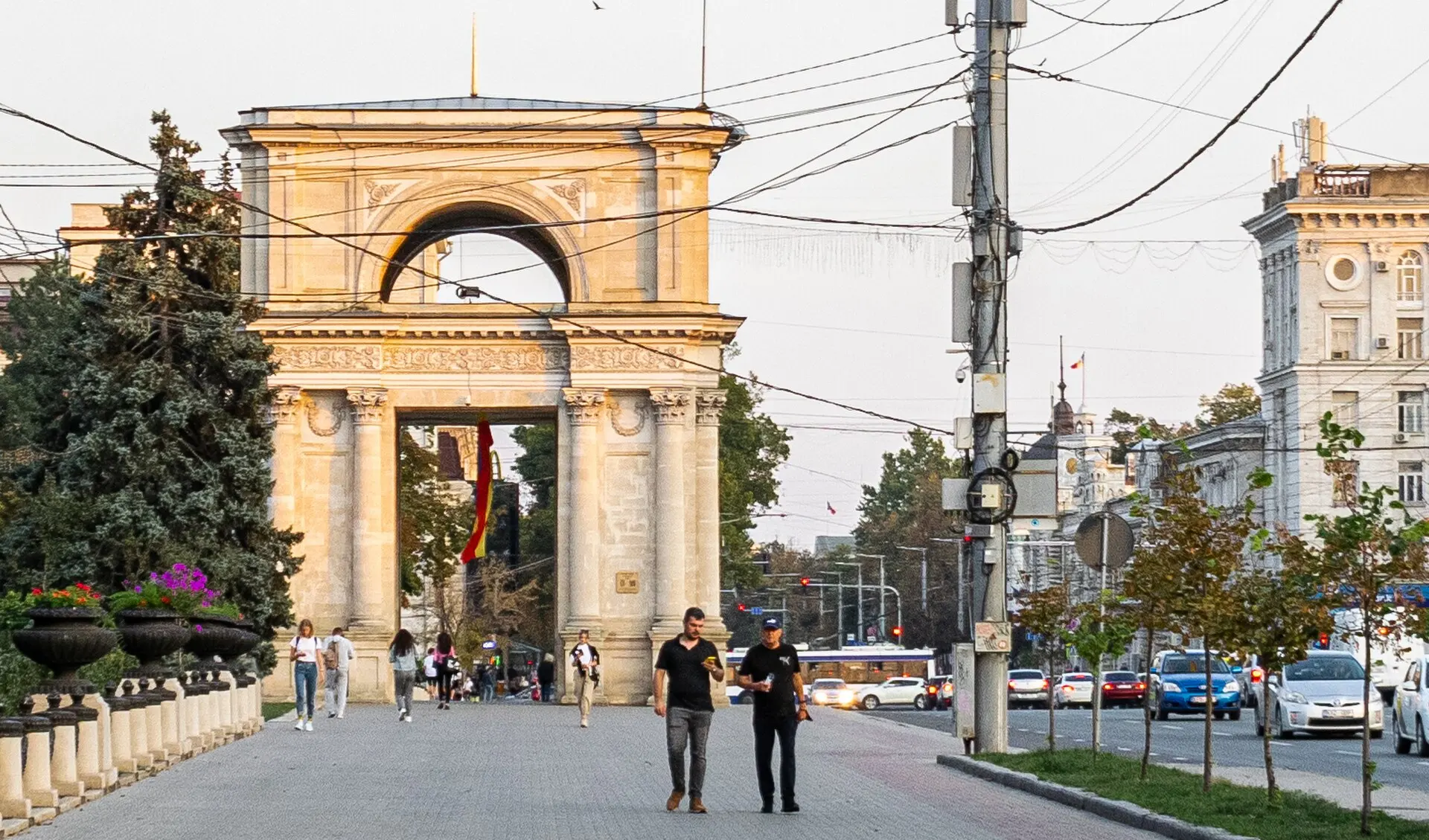
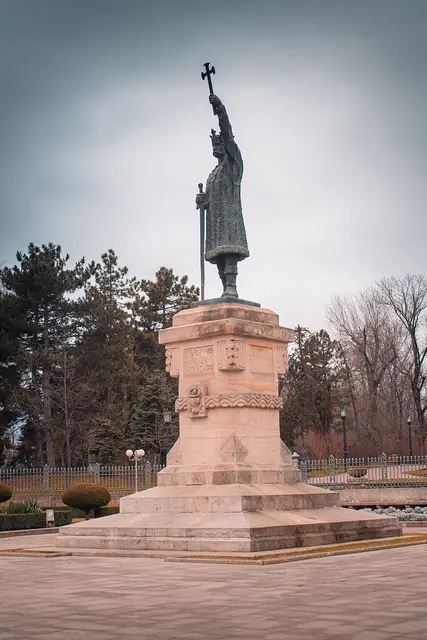
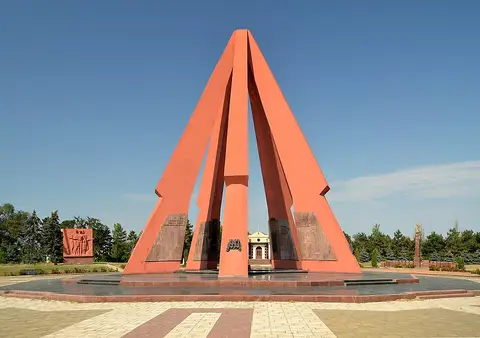
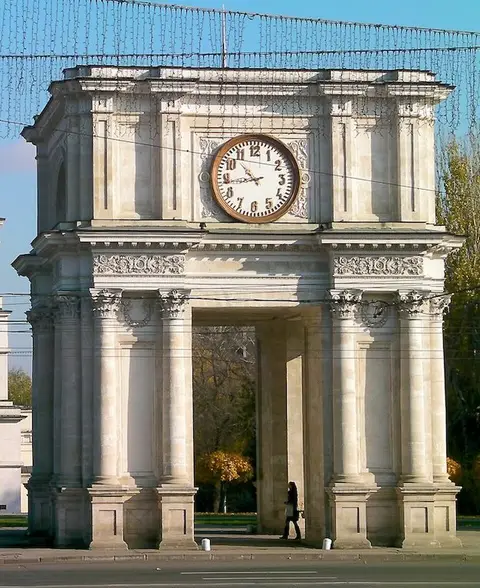
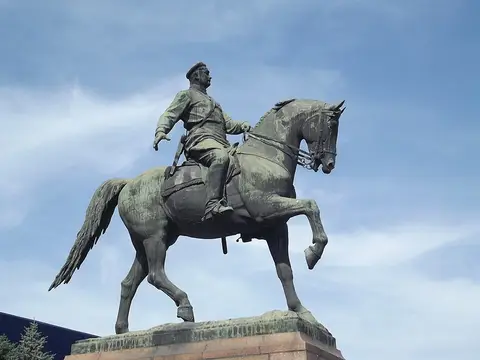
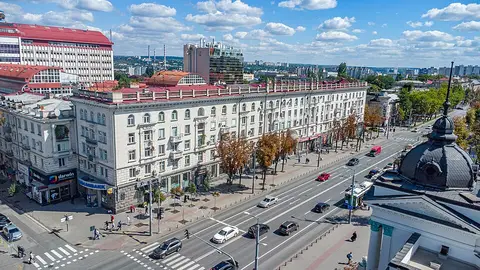
The Boulevard Ștefan cel Mare is the city's main axis, lined with government buildings, shops and cafés. The Triumphal Arch stands on Great National Assembly Square, and behind it, in the park, is the Orthodox Nativity Cathedral with its bell tower. In Ștefan cel Mare Park, a monument commemorates the 15th-century Moldavian prince, and an alley of busts honors poets and writers. The National Museum of Archaeology and History, the Art Museum and the Ethnographic Museum, housed in a Moorish-inspired building, offer insight into the country's history. Fans of Soviet modernism will find impressive examples in the Circus, the Hotel Cosmos and the "Gates of the City," two high-rise towers at the entrance from the airport. Valea Morilor Park, with its lake and cascading staircase, is a popular spot for relaxing.
Wine and food
Moldova is wine country, and impressive wineries lie around the capital. Mileștii Mici holds a huge wine collection in cellar tunnels more than 200 kilometers long that you can drive through by car, while Cricova, north of the city, is an underground labyrinth with street names. Typical dishes include mămăligă, a firm cornmeal porridge served with sheep's cheese and sour cream, plăcinte, filled pastries, and sarmale, stuffed cabbage rolls. The Central Market, Piața Centrală, is a lively jumble of vegetables, cheese, honey and clothing.
Getting around and best time to visit
The airport is about 13 kilometers to the southeast and can be reached by bus and taxi. Trolleybuses, buses and marshrutka minibuses serve the city inexpensively. The best time to visit is spring and fall; in October the grape harvest is celebrated with the National Wine Festival. Excursions lead to the cave monastery of Orheiul Vechi above a river bend, to Căpriana Monastery and to the region's wine estates, such as Château Purcari in the south, where you can also stay overnight. In the evening, people gather in the cafés and wine bars around the boulevard and 31 August 1989 Street; by Western European standards, most restaurants are inexpensive. Many governments advise against travel to the breakaway region of Transnistria; you should check current advisories before your trip.