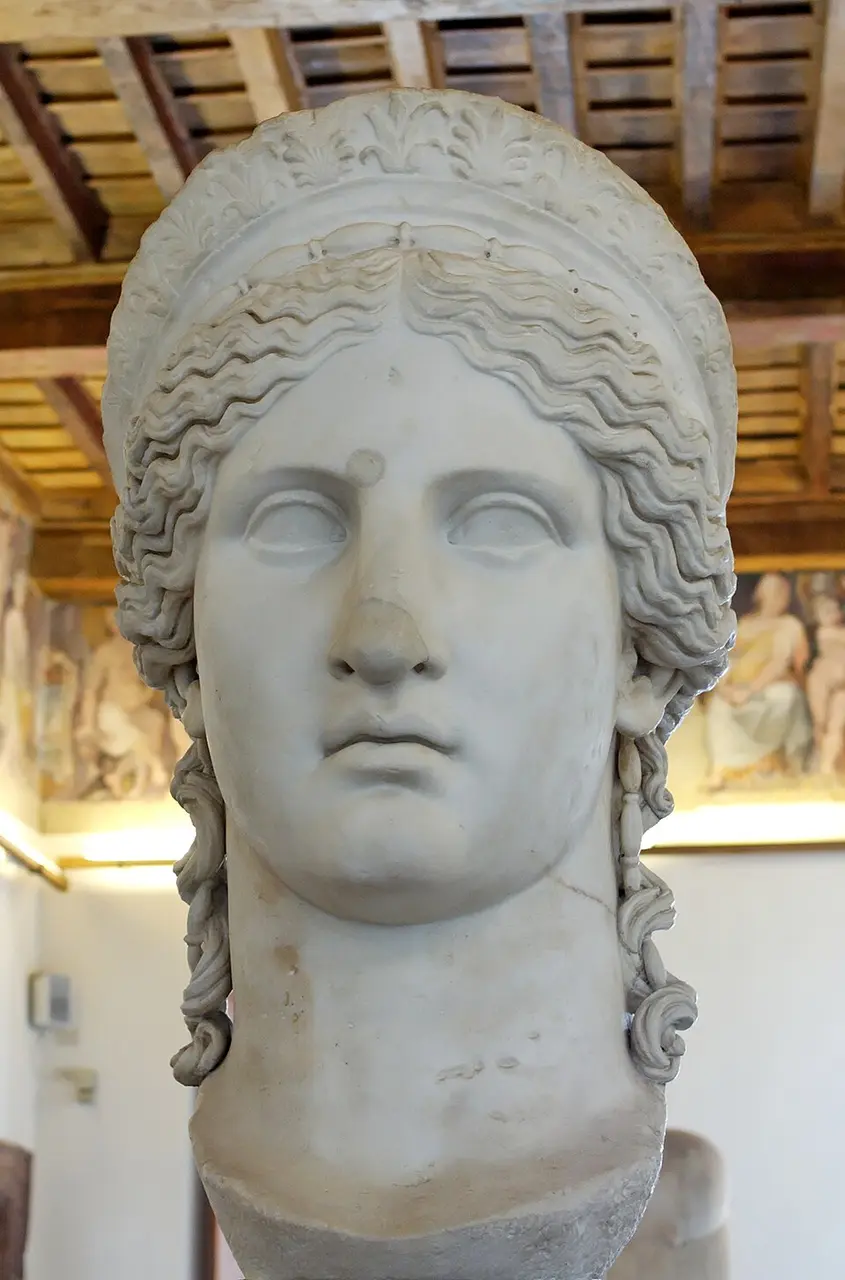
About Temple of Juno Moneta
The Temple of Juno Moneta was a significant ancient structure on the Arx, the citadel of the Capitoline Hill in Rome, with a wide view over the Roman Forum. It served not only as a religious site for the protectress of the city's finances but also housed the city's first mint. Metal and newly struck coins were stored here, which gave rise to the Latin word "moneta" for a mint and thus to the origin of modern terms such as "money." The temple also held the books of the magistrates as well as the so-called Libri Lintini, which recorded the names of the consuls from the 5th century B.C. The close connection between the cult of the goddess and the minting of currency shaped Roman history for centuries, until the mint was relocated under Emperor Domitian.
The legend surrounding the temple's founding is closely tied to the defense of the Capitoline Hill against the Gauls in 390 B.C. According to the story, Juno's sacred geese warned the commander Marcus Manlius of the nighttime attack, saving the garrison. Later, in 345 B.C., the dictator Lucius Furius Camillus vowed to build a temple to ask the gods for assistance in the war against the Aurunci. After his return, the building was consecrated at the summit of the citadel, on the spot where the house of Manlius had once stood. This layering of myth and history lends the site special significance in Roman identity.
Today, the exact location of the temple is one of the greatest topographical puzzles of ancient Rome, as no definitive architectural remains have been identified. Archaeologists suspect it stood on the site of the present-day church of Santa Maria in Aracoeli, where a building based on an older tradition was erected in the 13th century. Other theories point to a garden southeast of the church, where fragments of archaic terracotta decoration were found. These finds could indicate an earlier phase of construction from the late 6th or early 5th century B.C. Despite the lack of physical traces, the site remains a fascinating stop on any exploration of Rome, illustrating the interplay of myth, financial history, and urban development.
At a glance
- Category
- Sight › Historic sites
- Rating
- no reviews yet · write a review
- Address
00186 Rome, Italy- District
- Roma I
- Phone
- —
- Website
- —
- —
- Coordinates
- 41.89353° N · 12.48376° E
- Data quality
- confidence 0.61
- Identifier
- ID b2820a4b-5a5…
Location & surroundings
Toggle layersFAQ about Temple of Juno Moneta
quick answersWhat is the Temple of Juno Moneta in Rome?
The Temple of Juno Moneta was an important ancient sanctuary on the Arx, the citadel of the Capitoline Hill in Rome, with sweeping views over the Roman Forum. It was dedicated to Juno as the protector of the city's finances. The temple also housed the books of the magistrates and the so-called Libri Lintini, which recorded the names of the consuls from the 5th century BC.
Why is the word "money" connected to the Temple of Juno Moneta?
The Temple of Juno Moneta on the Capitoline Hill in Rome housed the city's first mint, and this gave rise to the Latin word "moneta" for a mint. The metal and the minted coins were stored here, which is why the term later became the origin of modern words such as "money." The link between worship and coinage lasted for centuries, until the mint was relocated under Emperor Domitian.
What legend lies behind the founding of the Temple of Juno Moneta?
The founding of the Temple of Juno Moneta in Rome is tied to the defense of the Capitoline Hill against the Gauls in 390 BC. According to legend, Juno's sacred geese warned the commander Marcus Manlius of a nighttime attack and so saved the garrison. In 345 BC, the dictator Lucius Furius Camillus vowed a temple during the war against the Aurunci, which was dedicated after his return on the site of Manlius's former house at the top of the citadel.
Can you still see the Temple of Juno Moneta today?
No, no definite architectural remains of the Temple of Juno Moneta in Rome have been identified so far, and its exact location is considered one of the greatest topographical mysteries of ancient Rome. Archaeologists suspect it stood on the site of today's church of Santa Maria in Aracoeli, which was built in the 13th century. Another theory points to a garden southeast of the church, where fragments of archaic terracotta decoration were found that may indicate a construction phase in the late 6th or early 5th century BC.
What can you visit around the Temple of Juno Moneta?
Around the former site of the Temple of Juno Moneta on the Capitoline Hill in Rome, numerous sights are just a few minutes' walk away. travelguide195 lists, among others, the Statua del Nilo (about 39 m), the church of S. Maria d'Aracoeli (about 44 m), the Palazzo Senatorio (about 49 m), the Museo Centrale del Risorgimento (about 53 m), and the Palazzo Nuovo (about 55 m). A little farther away are the Arco di Settimio Severo (about 61 m), the Tempio della Concordia (about 62 m), and the Porta Fontinalis (about 65 m); within a 500 m radius, travelguide195 also lists about 124 restaurants.
Ratings & comments
none yetNear Temple of Juno Moneta
closest 5 per category · 2 kmSights
Restaurants
Museums
Hotels
More:Historic sites in Rome (1,014)Sights in Roma I (642)All sights in Rome (1,312)
300 places within 2 km loaded.
Don't miss in Rome
All sights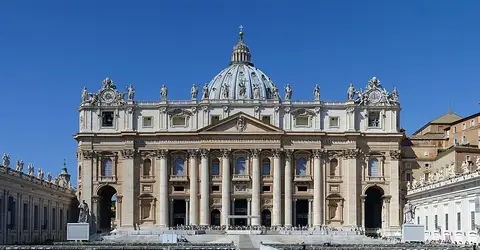 Historic sites01
The Dome at San Pietro Basilica
No address · Rome○ Website○ Phone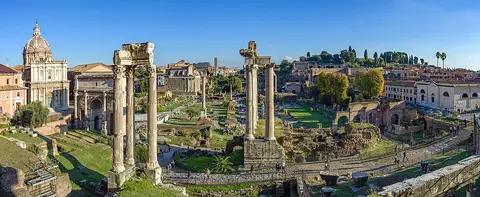 Historic sites02
Roman Forum
Via della Salara Vecchia, 5/6 · Rome● Website● Phone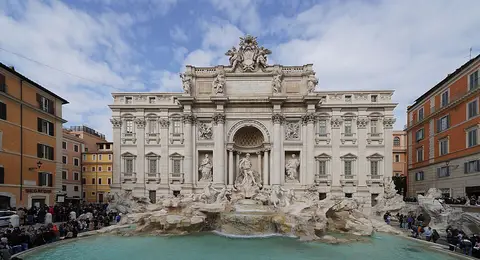 Historic sites03
Restauro Fontana di Trevi
Piazza di Trevi, 91 · Rome● Website○ Phone Monuments04
You need a free account to leave reviews and photos – that keeps comments genuine and lets you edit them later.