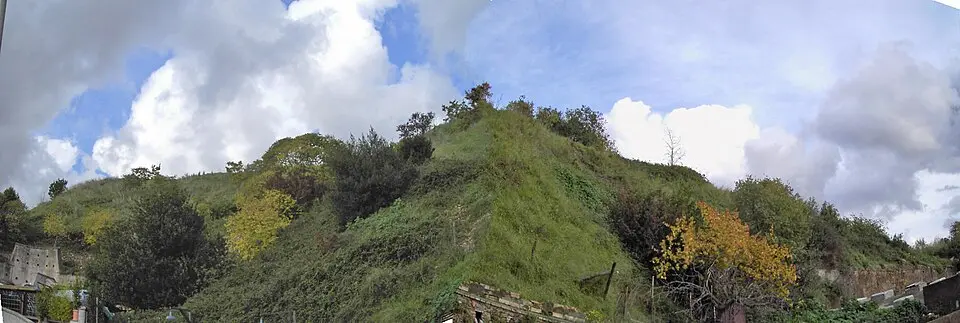
About Monte Testaccio
Monte Testaccio in Rome is a unique testament to ancient logistics and everyday life in the Roman metropolis. This artificially piled-up hill consists entirely of millions of pottery shards from broken amphorae and other vessels. Its name derives from the Latin word for shards and points to its origins as the largest garbage dump of ancient Rome. The site lies in a hollow between the Aventine Hill and the banks of the Tiber, northwest of the Aurelian Walls. Today the hill, nearly fifty meters high, is largely covered in grass and trees, but its layers of fragments reach about forty-five meters deep. The area measures roughly a thousand meters around, and it is estimated that the hill is made up of about twenty-five million amphorae.
The history of this place is closely tied to Rome's enormous demand for food. As the city's population grew, local agriculture was no longer enough to supply its citizens and the army. Rome became dependent on imports, especially olive oil, which served not only as food but also as fuel, medicine, and a cosmetic ingredient. The oil came mainly from the province of Baetica, present-day Andalusia. The amphorae in which the oil was transported were single-use containers. Because their narrow necks and the film of oil seeping into the clay made it impossible to clean them hygienically, they were smashed after unloading and disposed of here.
The route the goods traveled is well documented historically. In Spain, the amphorae were loaded onto river barges and carried down the Guadalquivir to the Atlantic coast. From there they sailed across the Mediterranean to Italy, where they were transferred to cargo barges at the port of Ostia or, later, in the harbor basin built by Emperor Trajan. These barges traveled upstream to the docks below the Aventine. There the goods were temporarily stored in large, two-story warehouses known as horrea. Today only a few wall fragments and arch elements of the Porticus Aemilia remain of these structures. The Roman buildings of this district are nevertheless well known from fragments of the Forma Urbis Romae, the marble map of the city, which also shows the rising mountain of shards.
At a glance
- Category
- Sight › Historic sites
- Rating
- no reviews yet · write a review
- Address
00153 Rome, Italy- District
- Testaccio
- Phone
- —
- Website
- pt.wikipedia.org
- —
- Coordinates
- 41.87595° N · 12.47569° E
- Data quality
- confidence 0.69
- Identifier
- ID 4cbe3f3b-060…
Location & surroundings
Toggle layersFAQ about Monte Testaccio
quick answersWhat is Monte Testaccio in Rome?
Monte Testaccio is an artificial hill in Rome's Testaccio district, made up entirely of broken pottery shards from discarded amphorae. It is considered the largest garbage dump of ancient Rome, and its name derives from the Latin word for shards. The hill is nearly 50 meters high, has a circumference of about 1,000 meters, and is estimated to consist of roughly 25 million amphorae.
Why were so many amphorae discarded at Monte Testaccio in Rome?
Amphorae were discarded at Monte Testaccio because they served as single-use containers for olive oil and could not be reused. Because of their narrow necks and the film of oil that seeped into the clay, they could not be cleaned hygienically and were smashed after unloading. The oil came mainly from the province of Baetica, present-day Andalusia, and was used in Rome as food, fuel, medicine, and an ingredient in cosmetics.
How did olive oil get from Spain to Monte Testaccio in Rome?
The olive oil was shipped in amphorae from Spain across the Mediterranean to Rome and unloaded near Monte Testaccio. First, river barges carried the amphorae down the Guadalquivir to the Atlantic coast; from there, ships sailed to Italy, to the port of Ostia or later to the harbor basin built by Emperor Trajan. Barges then traveled up the Tiber to the docks below the Aventine, where the goods were stored in large warehouses known as horrea.
Who researched Monte Testaccio in Rome?
Scientific study of Monte Testaccio in Rome began in 1872 with the German epigraphist Heinrich Dressel. He examined the inscriptions and stamps on the shards, the so-called tituli picti, which served as ancient bills of lading and recorded the empty weight, quantity of oil, owner, and recipient. The mention of the serving consul made it possible to date the filling precisely, and Dressel demonstrated that most amphorae of the type Dressel 20 came from Baetica.
What can you see around Monte Testaccio in Rome?
Around Monte Testaccio in Rome's Testaccio district, you'll find several museums and historic sites. Within one kilometer, travelguide195 lists the MACRO Testaccio about 210 meters away, the Museo Storico dei Vigili del Fuoco about 350 meters away, the Grave of John Keats about 410 meters away, and the Pyramid of Cestius about 440 meters away. For a break, travelguide195 also lists around 106 restaurants within 500 meters.
Ratings & comments
none yetNear Monte Testaccio
closest 5 per category · 2 kmSights
Restaurants
Museums
Hotels
More:Historic sites in Rome (1,014)All sights in Rome (1,312)
288 places within 2 km loaded.
Don't miss in Rome
All sights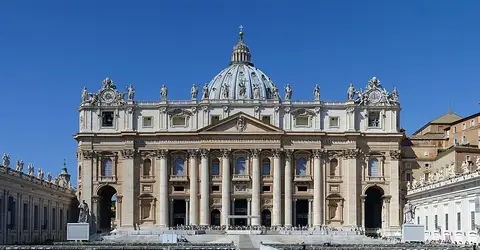 Historic sites01
The Dome at San Pietro Basilica
No address · Rome○ Website○ Phone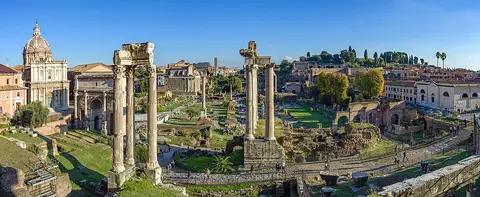 Historic sites02
Roman Forum
Via della Salara Vecchia, 5/6 · Rome● Website● Phone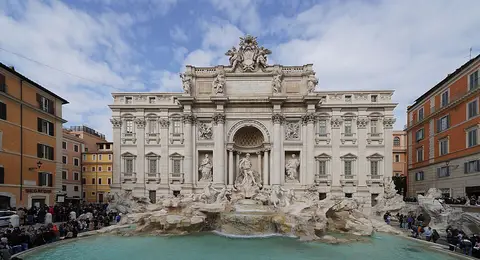 Historic sites03
Restauro Fontana di Trevi
Piazza di Trevi, 91 · Rome● Website○ Phone Monuments04
You need a free account to leave reviews and photos – that keeps comments genuine and lets you edit them later.