About Piazza Navona Underground
Rome's Piazza Navona is far more than just a Baroque square; it is the visible remnant of an ancient sports complex. Julius Caesar originally built a temporary stadium here in the 1st century B.C. for athletic competitions, and Emperor Domitian later expanded it on a monumental scale. The complex held tens of thousands of spectators and, besides the track-and-field events, also served for a time as a venue for gladiator fights after a fire put the Colosseum out of use. The square's name comes from the Greek word for competition, which changed linguistically over the centuries. Today you can marvel at the archaeological remains of the stadium on Via Zanardelli, where the old arches and foundations have been uncovered. These historic layers form the foundation for the square's medieval development, when the arena became a place for markets and horse races and the substructures of the grandstands were converted into dwellings.
The square's present-day look was shaped by Pope Innocent X of the Pamphilj family, who had it transformed into a re-creation of an imperial forum. The architect Francesco Borromini designed the church of Sant'Agnese in Agone with its characteristic dome and oval towers, while Gian Lorenzo Bernini placed the famous Fountain of the Four Rivers in the middle of the square. With its four colossal figures symbolizing the great rivers of the continents known at the time, this fountain forms a harmonious ensemble together with the obelisk and the surrounding fountains. The adjacent Palazzo Pamphilj, now home to the Brazilian embassy, was expanded by Girolamo Rainaldi and Borromini and also houses a Philharmonic Academy. On the opposite side stands the church of Nostra Signora del Sacro Cuore, which was built into the ruins of the old stadium and historically served as the Spanish national church.
To this day the square is a lively meeting place, filled with tourists, cafés, and souvenir vendors. In the Middle Ages it hosted jousting tournaments, and in the 17th and 18th centuries the fountains were deliberately allowed to overflow in August to make a public festival possible. Today the traditional Befana market takes place here, above all during the Christmas season. The combination of ancient history, Baroque architecture, and the ever-present bustle of city life makes Piazza Navona one of Rome's most impressive places, where past and present meet in a very small space.
At a glance
- Category
- Museum › History museums
- Rating
- no reviews yet · write a review
- Address
- Piazza Navona
00186 Rome, Italy - District
- Roma I
- Phone
- —
- Website
- —
- —
- Coordinates
- 41.89994° N · 12.47336° E
- Data quality
- confidence 0.50
- Identifier
- ID d39f877e-a68…
Location & surroundings
Toggle layersRatings & comments
none yetNear Piazza Navona Underground
closest 5 per category · 2 kmSights
Restaurants
Museums
Hotels
More:History museums in Rome (46)Museums in Roma I (180)All museums in Rome (383)
300 places within 2 km loaded.
Don't miss in Rome
All sights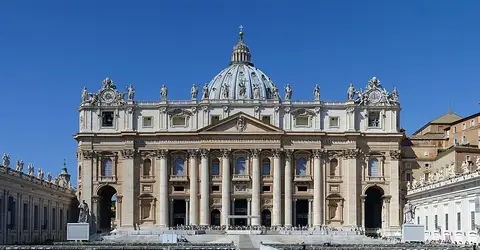 Historic sites01
The Dome at San Pietro Basilica
No address · Rome○ Website○ Phone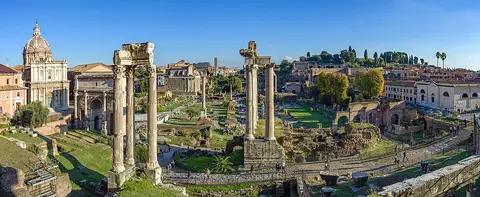 Historic sites02
Roman Forum
Via della Salara Vecchia, 5/6 · Rome● Website● Phone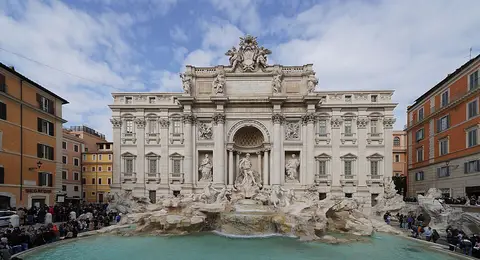 Historic sites03
Restauro Fontana di Trevi
Piazza di Trevi, 91 · Rome● Website○ Phone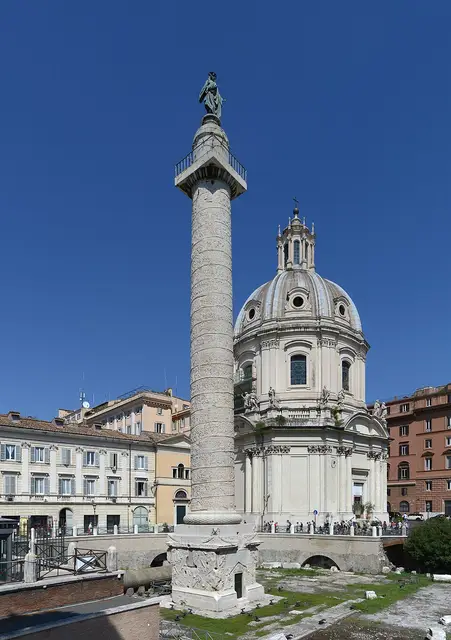 Monuments04
You need a free account to leave reviews and photos – that keeps comments genuine and lets you edit them later.