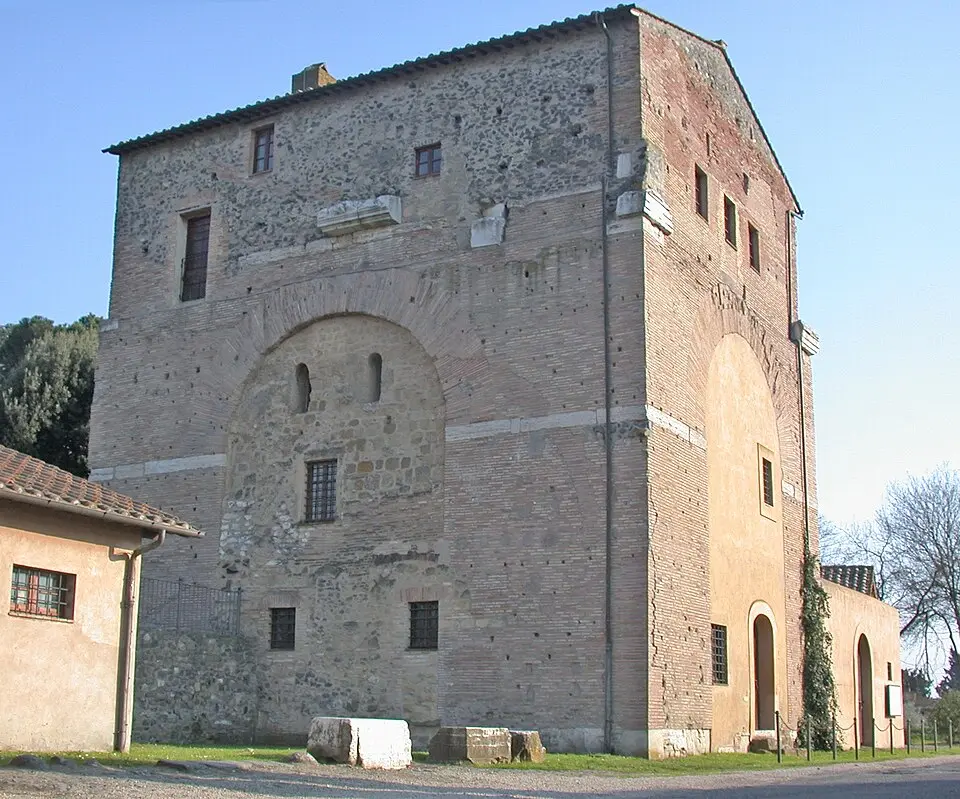
About Arco di Malborghetto
The Arco di Malborghetto stands about 19 kilometers north of Rome on the Via Flaminia. Today it is embedded in a later structure that looks like a medieval building at first glance. The core of the monument, however, dates to the first half of the fourth century and is a so-called quadrifrons, a gateway with four piers. It originally spanned the intersection of two important roads, the Via Flaminia and the Via Veientana, whose remains can still be found in the surrounding area. The original marble cladding has been lost entirely, but holes for the metal brackets that once held the material in place are still visible on the exterior walls. The structure had a rectangular floor plan with travertine bases at the four piers and was probably around 18 meters high. Columns most likely stood on two sides and supported an elaborate cornice, while the attic carried a small roof and was divided by walls into three rooms inside.
The history of the site is marked by numerous changes of use. In the Middle Ages, probably in the eleventh century, the gateway was converted into a Greek-cross church by closing off the passageways and adding an apse, and the road running beneath it was rerouted. The name Malborghetto, which roughly means "bad town," goes back to its destruction by the Orsini family in 1485 in order to drive out the Colonna family. After a long period of neglect, the Milanese herb merchant Constantino Pietrasanta leased the building in the sixteenth century and thoroughly remodeled it, giving the structure its present appearance. Over the following centuries it served as a tavern, a residence, and a post office. Today the building houses a museum and a branch office of the cultural heritage authority.
Scholarly study of the monument received an important boost at the beginning of the twentieth century from the German archaeologist Fritz Töbelmann. By discovering a brick stamp from the time of Diocletian beneath the plaster, he was able to show that the structure cannot have been built before the end of the fourth century. Töbelmann suspected that the gateway commemorated the summer camp of Constantine I's troops before the battle against Maxentius, possibly in remembrance of the emperor's legendary vision. This theory was confirmed by later studies. The Renaissance architect Giuliano da Sangallo had already produced an early sketched reconstruction of the original appearance, while modern research now even makes it possible to create 3D models of the ancient structure.
At a glance
- Category
- Museum › Open-air museums
- Rating
- no reviews yet · write a review
- Address
- Via di Malborghetto, 3
00188 Rome, Italy - District
- Prima Porta
- Phone
- +390633625595
- Website
- www.beniculturali.it
- —
- Coordinates
- 42.05227° N · 12.48711° E
- Data quality
- confidence 0.72
- Identifier
- ID f2dfc17a-187…
Location & surroundings
Toggle layersRatings & comments
none yetNear Arco di Malborghetto
closest 5 per category · 2 kmSights
None within 2 km.
Restaurants
Museums
None within 2 km.
Hotels
Cocktail bars
None within 2 km.
More:All museums in Rome (383)
10 places within 2 km loaded.
Don't miss in Rome
All sights Historic sites01
The Dome at San Pietro Basilica
No address · Rome○ Website○ Phone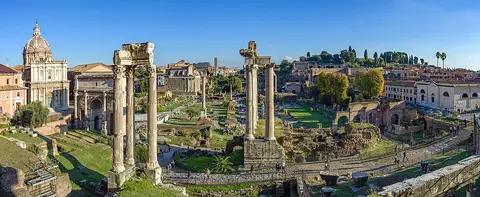 Historic sites02
Roman Forum
Via della Salara Vecchia, 5/6 · Rome● Website● Phone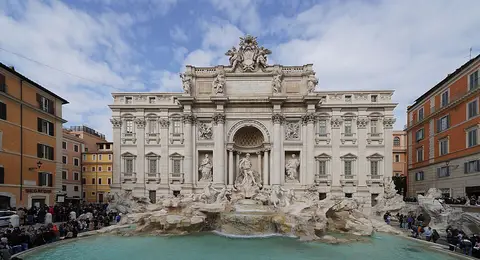 Historic sites03
Restauro Fontana di Trevi
Piazza di Trevi, 91 · Rome● Website○ Phone Monuments04
You need a free account to leave reviews and photos – that keeps comments genuine and lets you edit them later.