About Palais Royal
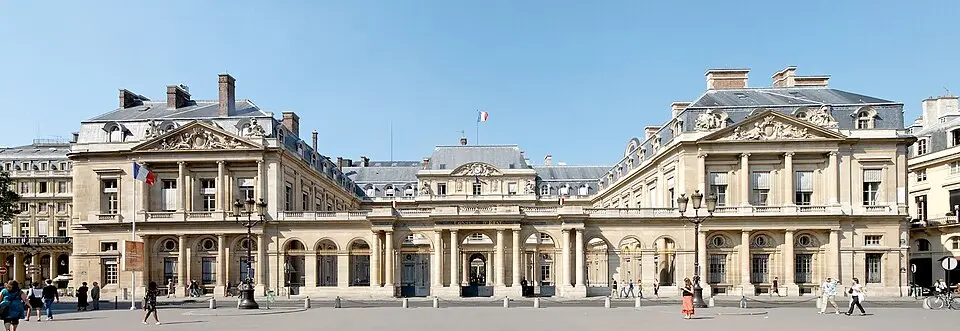
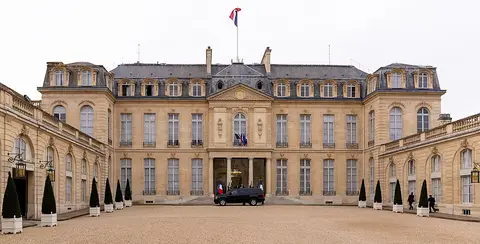
The Palais Royal, originally known as the Palais Cardinal, is a historic city palace in Paris's 1st arrondissement, about 150 meters north of the Louvre. The complex was built between 1627 and 1629 by the architect Jacques Le Mercier for Cardinal Richelieu, chief minister to Louis XIII. After the cardinal's death in 1642, the building passed to the Crown and initially served as the residence of the queen mother, Anne of Austria, and the young kings Louis XIV and Philippe d'Orléans. This period was marked by the unrest of the Fronde, during which the royal family was forced to flee at times. One night in 1651, when rebellious citizens pushed their way into his bedchamber, left a particular mark on Louis XIV's later policies. That experience of powerlessness influenced his decision to move the seat of government to Versailles, since a location outside the city was considered easier to defend.
Today, the main wing of the Palais Royal houses the Council of State, while the west wing is home to the Comédie-Française and the Constitutional Council. The east wing is used by the Ministry of Culture. The site's theater tradition goes back to 1636, when a palace theater opened, where Molière later performed as well. After a devastating fire in the 18th century, the building was reconstructed, and it has served as the home of the Comédie-Française since 1786. In the 18th century, the Duke of Orléans had the so-called Galerie de Bois built, an extensive project with arcades, apartments, and entertainment venues that became the center of Parisian nightlife. These galleries also gave shelter to political movements of the Revolution, and it was here that Camille Desmoulins, among others, called for an uprising.
For visitors, the Palais Royal's courtyard of honor is a particular draw. Since 1986, it has been home to Les Deux Plateaux, a walk-through artwork by installation artist Daniel Buren. The surrounding galleries, some of which date from the 18th century, now house shops and restaurants. The complex, which was also home to well-known artists such as Jean Cocteau, thus combines government functions, cultural history, and modern art in one central spot in the French capital.
At a glance
- Category
- Sight › Monuments
- Rating
- no reviews yet · write a review
- Address
- 8 Rue de Montpensier
75001 Paris, France - District
- 1st Arrondissement
- Phone
- +33698950479
- Website
- palaisroyalties.wix.com
- palaisroyalties@gmail.com
- Coordinates
- 48.86333° N · 2.33694° E
- Data quality
- confidence 0.59
- Identifier
- ID 7ea27edc-a0e…
Location & surroundings
Toggle layersFAQ about Palais Royal
quick answersWhat is the Palais Royal in Paris?
The Palais Royal is a historic city palace in the 1st arrondissement of Paris, about 150 meters north of the Louvre at 8 Rue de Montpensier. Architect Jacques Le Mercier built the complex between 1627 and 1629 for Cardinal Richelieu, chief minister to Louis XIII, which is why it was originally called the Palais Cardinal. After Richelieu's death in 1642, the palace passed to the Crown, giving it its present name.
What can you see at the Palais Royal in Paris?
The main attraction at the Palais Royal in Paris is the central courtyard with the walk-through artwork Les Deux Plateaux, created by installation artist Daniel Buren in 1986. Galleries run around the courtyard, some dating from the 18th century, and today they house shops and restaurants. Among the historic passageways is the Galerie d'Orléans, which travelguide195 lists about 55 meters from the Palais Royal.
Which institutions are housed in the Palais Royal today?
The Palais Royal in Paris is still home to government and cultural institutions. The Council of State meets in the main wing, the Comédie-Française and the Constitutional Council are housed in the west wing, and the east wing is used by the Ministry of Culture. The Comédie-Française has been based here since 1786, though the site's theater tradition goes back to the palace theater of 1636, where Molière later performed as well.
What role did the Palais Royal play in French history?
The Palais Royal in Paris was the setting for important events from the Fronde to the French Revolution. After 1642, the Queen Mother Anne of Austria and the young kings Louis XIV and Philippe d'Orléans lived here; in 1651, rebellious citizens pushed their way into Louis XIV's bedchamber, which influenced his later decision to move the seat of government to Versailles. In the 18th century, the Duke of Orléans had the Galerie de Bois built, which became the center of Parisian nightlife and where Camille Desmoulins called for an uprising during the Revolution. The artist Jean Cocteau also lived in the Palais Royal.
What else can you see around the Palais Royal in Paris?
The Louvre is right nearby, only about 150 meters south of the Palais Royal in Paris. travelguide195 also lists the Fondation Cartier pour l'art contemporain about 110 meters away and the historic Passage Vérité about 104 meters away. For a break, travelguide195 lists around 434 restaurants within 500 meters, and the Palais Royal is part of the tour "Paris at Night: From the Madeleine District to the Latin Quarter."
Ratings & comments
none yetNear Palais Royal
closest 5 per category · 2 kmSights
Restaurants
Museums
Hotels
More:Monuments in Paris (322)Sights in 1st Arrondissement (131)All sights in Paris (1,859)
300 places within 2 km loaded.
You need a free account to leave reviews and photos – that keeps comments genuine and lets you edit them later.
Ordered by Cardinal de Richelieu (1585-1642), King Louis XIII's prime Minister in 1629 (completed in 1636); originally called Palais Cardinal ; it became Le Palais Royal when Anne d'Autriche, Louis XIII's wife, came to live here to get away from the Louvre palace. It eventually housed Louis XIV until the move to Versailles. It includes also a beautiful garden Les jardins du Palais Royal , enclosed by the buildings. It's been the theatre of one of the seminal events of the French Revolution (Camille Desmoulins made a famous declaration here in 1789). The Théatre Français nearby was built in 1716. There are numerous restaurants inside the garden, including famous Le Grand Véfour . There's also the controversial Colonnes de Buren , striped columns installed within the inside yard amid the 17th century architecture.
Source: Wikivoyage, „Paris/1st arrondissement“ · authors per page history · CC BY-SA 4.0