Discover Prague: Castle, Charles Bridge, and Beer Culture
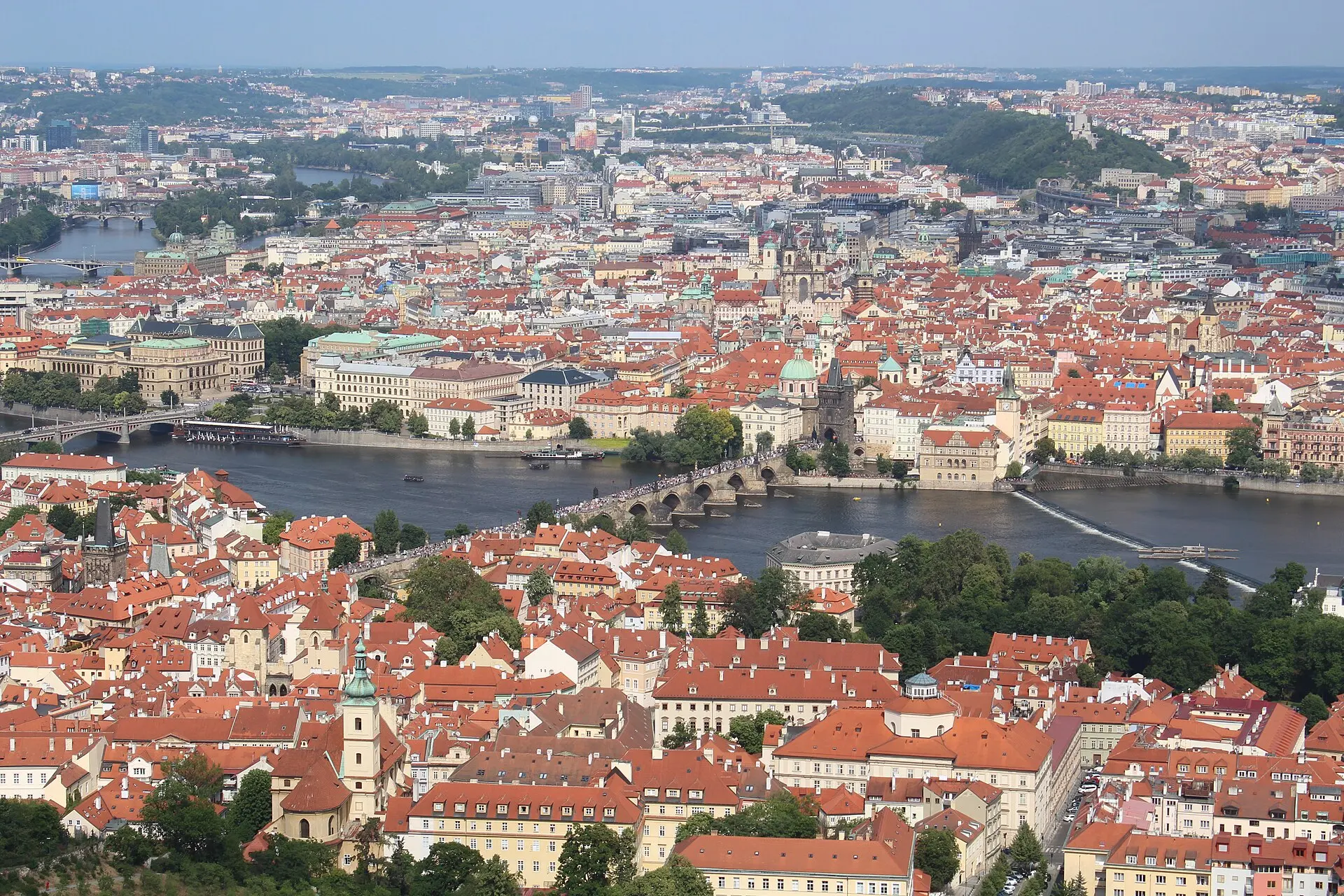
Travel guide · editorialThe castle looms above the Vltava, musicians play among Baroque statues of saints on Charles Bridge, and the lanes of the Old Town smell of trdelník: Prague is one of Europe's most beautiful cities. A city break in Prague combines a thousand years of architecture with lively neighborhoods and the best beer culture in the world.
The "Golden City"
In the 9th century, the Přemyslid princes founded Prague Castle. Under Emperor Charles IV, Prague became the capital of the Holy Roman Empire in the 14th century; he founded the first university in Central Europe and had the New Town and Charles Bridge built. In 1618, the Defenestration of Prague set off the Thirty Years' War. Around 1900, Prague was a city of Czechs, Germans, and Jews, home to Franz Kafka, Rainer Maria Rilke, and Jaroslav Hašek. After the Nazi occupation and decades of communism, the Velvet Revolution brought freedom in 1989. Prague has been the capital of the Czech Republic since 1993, and its historic center is a UNESCO World Heritage Site.
Sights in Prague
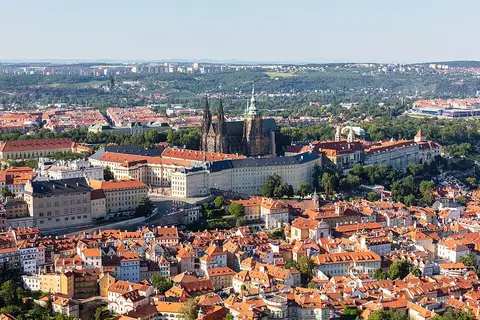
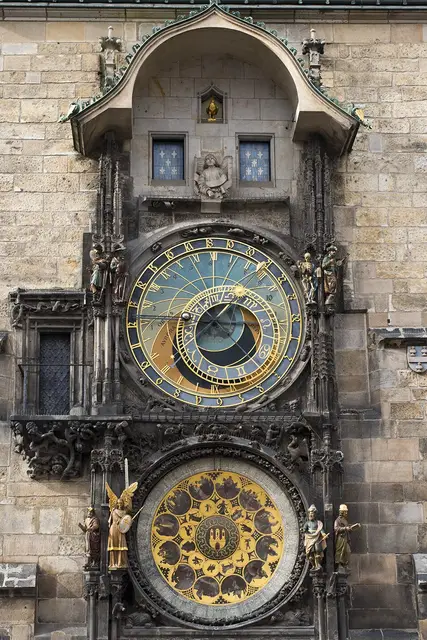
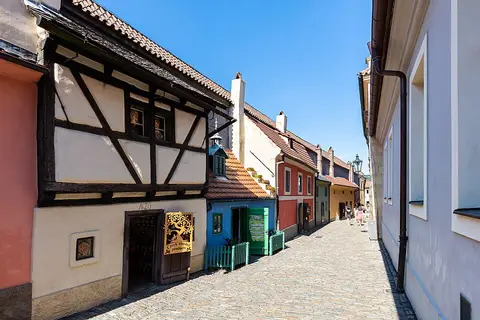
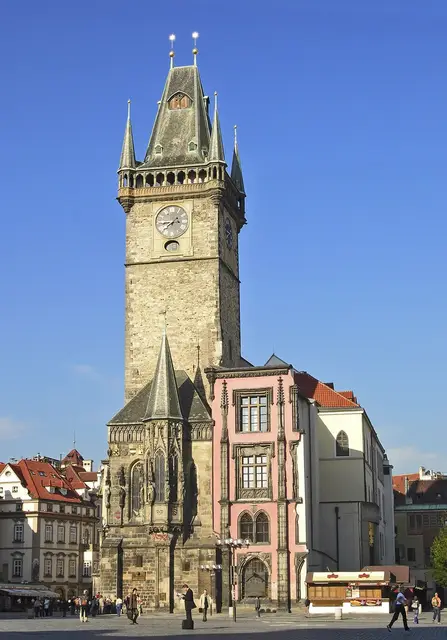
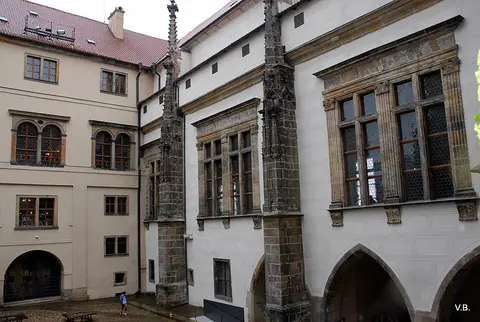
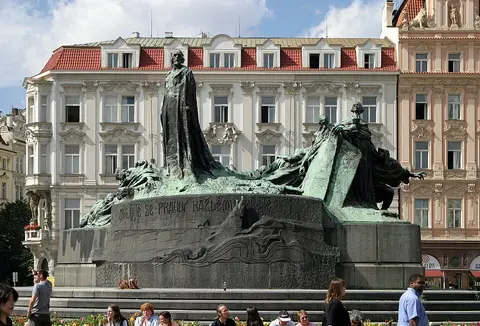
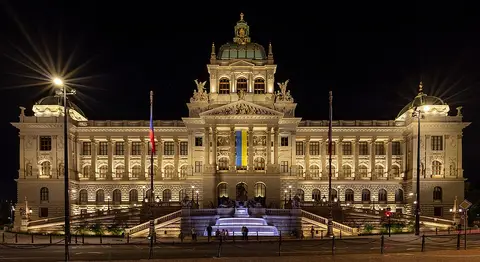
Prague Castle on Hradčany Hill is considered the largest ancient castle complex in the world. Its centerpiece is the Gothic St. Vitus Cathedral, with the Bohemian crown jewels and stained-glass windows by Alphonse Mucha; nearby are the Old Royal Palace and Golden Lane, with its tiny colorful houses. The 14th-century Charles Bridge, lined with 30 statues, leads you into the Old Town. On Old Town Square, the Church of Our Lady before Týn with its pointed spires and the Astronomical Clock on the Old Town Hall draw all eyes; on the hour, the figures of the apostles parade past. Josefov, the former Jewish Quarter, preserves synagogues and the Old Jewish Cemetery with its densely packed gravestones. Wenceslas Square in the New Town was the scene of the protests of 1968 and 1989, and the National Museum stands at its upper end.
Neighborhoods from Malá Strana to Žižkov
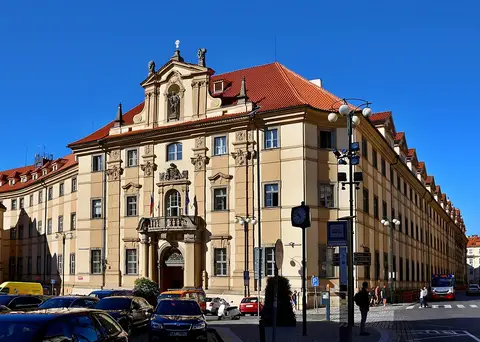
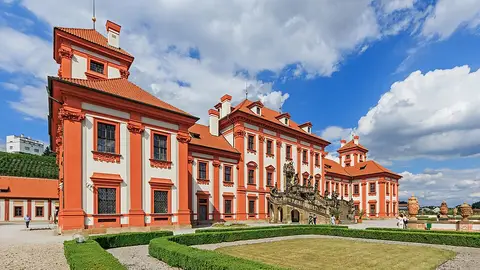
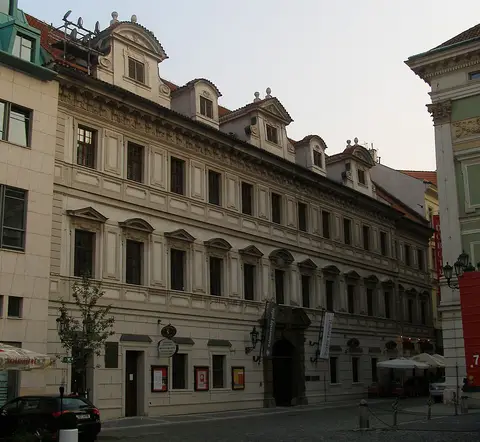
Prague 1 includes the Old Town and Malá Strana (the Lesser Town) below the castle, with Baroque palaces, St. Nicholas Church, and the enchanting island of Kampa. In Prague 2, in Vinohrady, Art Nouveau buildings line the streets, cafés and wine bars draw a young crowd, and the Vyšehrad fortress sits on the hillside with its cemetery, where Dvořák and Smetana are buried. Prague 3, the working-class neighborhood of Žižkov, is known for its television tower with David Černý's crawling baby sculptures and for having the highest density of pubs in the city. Holešovice in Prague 7 has developed into a creative district with galleries like DOX and the market hall. Smíchov in Prague 5 lures visitors with the Staropramen brewery and riverbank, and Prague 6 with Břevnov Monastery and a castle set amid greenery.
Museums and Culture
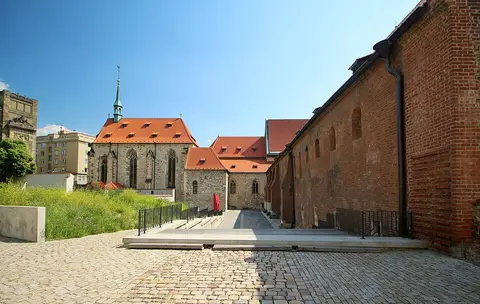
The National Gallery spreads its collections across several buildings, from the Convent of St. Agnes for medieval art to the Trade Fair Palace for modern art. The Mucha Museum shows Art Nouveau posters, and the Kafka Museum in Malá Strana presents the writer's life. Music is a longstanding tradition: Mozart conducted the premiere of "Don Giovanni" at the Estates Theatre, and in May the Prague Spring festival opens with Smetana's "Má vlast" ("My Country"). Black light theater and marionettes are Prague specialties.
Food and Beer in Prague
The Czech Republic has the highest per-capita beer consumption in the world, and in Prague Pilsner tastes best freshly tapped. Traditional taverns such as U Fleků have brewed their own beer for centuries, while small breweries are setting new trends. Bohemian cuisine includes svíčková, beef sirloin in cream sauce with dumplings and cranberries, roast pork with sauerkraut, goulash, and smažený sýr, breaded fried cheese. With beer, people eat nakládaný hermelín, marinated Camembert. Restaurants in Prague range from simple taverns to fine dining, and new bistros are constantly opening in Vinohrady and Karlín.
Getting Around and Best Time to Visit
Václav Havel Airport is about 11 miles (17 kilometers) west of the city; express buses run to the main train station, and city buses connect to the metro. Three metro lines and a dense tram network serve the city, and Tram 22 runs scenically past the castle and the National Theatre. You explore the Old Town on foot. The best times to visit are spring and early fall. It is crowded in summer, and in December Christmas markets transform Old Town Square into a sea of lights. Worthwhile excursions lead to Karlštejn, Kutná Hora, and Český Krumlov.