
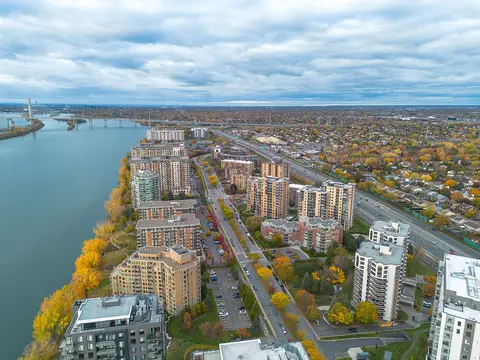
Quebec: French-Speaking Canada on the St. Lawrence River
Travel guide · editorialIn Quebec, people speak French, eat poutine and celebrate winter with a carnival. A vacation in Quebec combines the festivals of Montreal and the walled Old Town of Québec City with whale watching on the St. Lawrence River, canoeing in the Laurentians and fiery red maple forests.
Landscape and Location
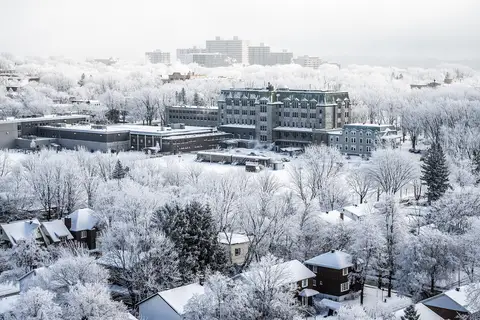
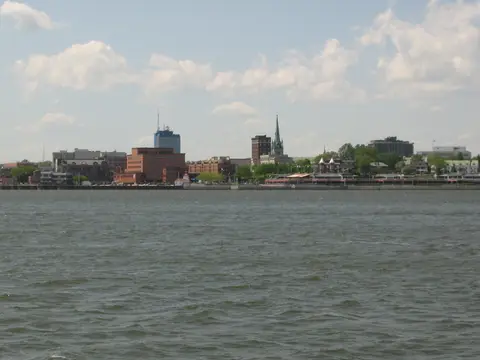
Quebec is Canada's largest province by area, more than four times the size of Germany. Its lifeline is the St. Lawrence River, along which almost all of its cities lie and which widens into an estuary that merges with the sea. To the north rise the Laurentians, an ancient, forested highland dotted with lakes that gives way to taiga and finally to the tundra of Nunavik. To the south, the Eastern Townships border Vermont and New Hampshire, and to the east the Gaspé Peninsula juts out into the Gulf. Quebec is the only province with French as its sole official language; its license plates carry the motto Je me souviens.
Montreal and Surroundings
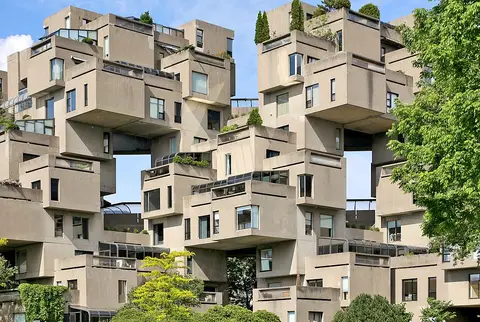
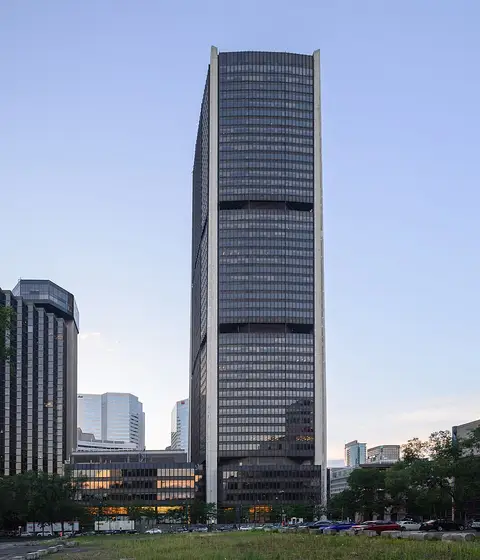
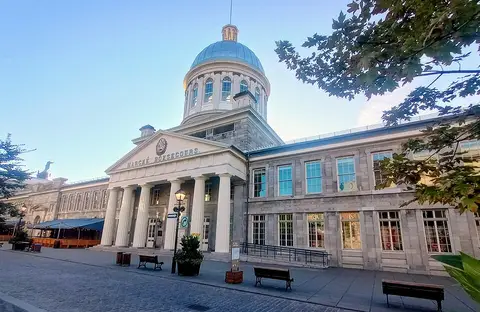
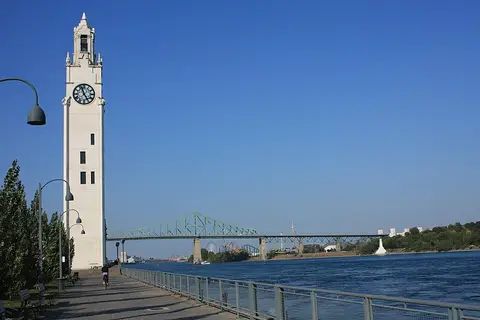
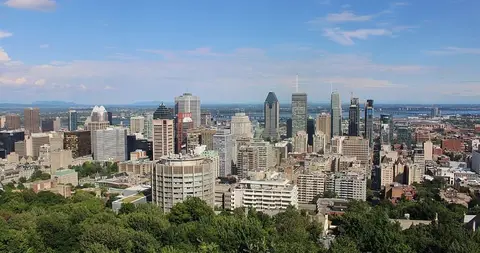
Montreal is Canada's second-largest city and one of the largest French-speaking cities in the world. Old Montreal with its Notre-Dame Basilica and cobblestone streets, Mount Royal, for which the city is named, and neighborhoods like Plateau-Mont-Royal and Mile End with their outdoor staircases define the cityscape. An underground city with miles of passageways shields you from the cold in winter. In summer, one festival follows another, including the Jazz Festival and Just for Laughs. On Île Jésus to the north lies Laval, Quebec's third-largest city, and on the south shore is Longueuil. Gatineau sits across the river from Ottawa and is home to the Canadian Museum of History and Gatineau Park.
Sights in Quebec
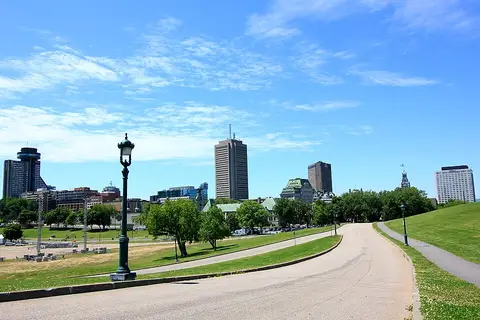
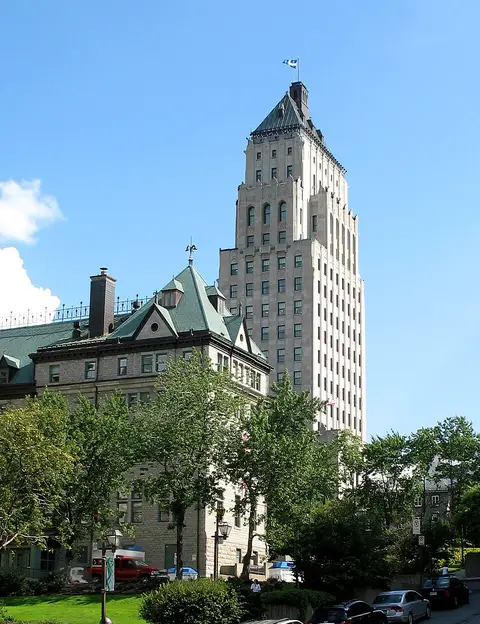
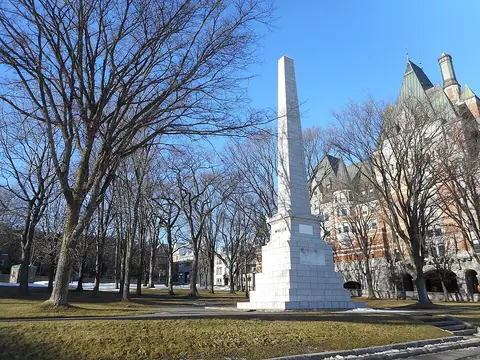
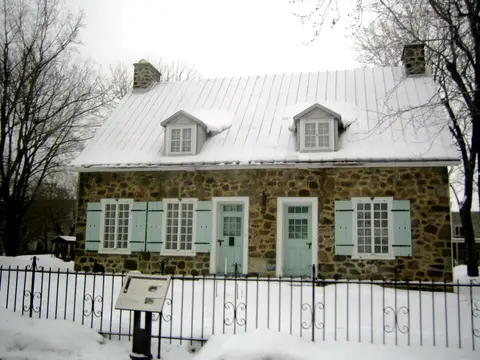
Québec City, the capital, was founded in 1608 by Samuel de Champlain and is the only city north of Mexico with its city walls still intact; the Old Town is a UNESCO World Heritage Site. Château Frontenac, one of the most photographed hotels in the world, towers above it. The Lower Town with the Petit Champlain district, the Citadelle and the Plains of Abraham, where the British won the decisive battle in 1759, are highlights. Nearby, Montmorency Falls plunge from a greater height than Niagara Falls. Trois-Rivières, the province's second-oldest city, lies halfway to Montreal. Sherbrooke is the center of the Eastern Townships, with murals and lakes in the area, including Lake Memphremagog. On the edge of the Laurentians you will also find lakes, cabins and hiking trails that you can reach from Québec City in about half an hour, for example in Jacques-Cartier National Park.
Nature Between Fjord and Taiga
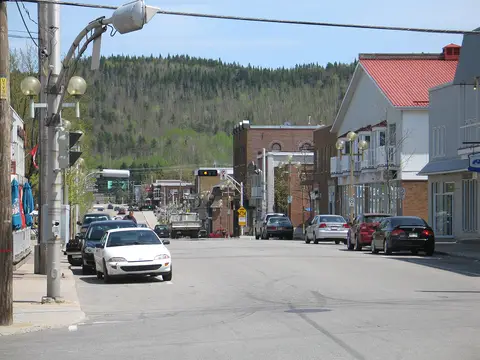
In Tadoussac, where the Saguenay Fjord flows into the St. Lawrence River, you can watch belugas, fin whales and blue whales. The Charlevoix region is a biosphere reserve with villages perched above the river. The Gaspé Peninsula offers Percé Rock and gannet colonies on Bonaventure Island. In Mont-Tremblant National Park in the Laurentians, you can paddle in summer and ski in winter. La Tuque in the Mauricie region is a gateway to vast forests, lakes and hunting grounds, where Atikamekw communities also live. Ten First Nations and the Inuit are recognized as distinct nations in Quebec.
Food and Drink
Poutine, fries topped with cheese curds and gravy, originated in Quebec. Montreal is famous for its wood-fired bagels and for smoked meat, which you can get at Schwartz's. Tourtière, a meat pie, is eaten at Christmas. Quebec produces more than 70 percent of the world's maple syrup; in spring, sugar shacks, known as cabanes à sucre, invite you to feasts with syrup poured over eggs, ham and snow. Add to that raw-milk cheeses, craft breweries and cidre de glace, an ice wine made from apples.
Getting There and Best Time to Visit
Montreal-Trudeau has direct flights from Europe, and flights also serve Québec City. VIA Rail connects Montreal with Québec City, Ottawa and Toronto. You will need a rental car to explore nature; the Whale Route runs along the north shore of the river. The best time to visit is from June to October, with whales from June to September and fall colors in late September. Winter is very cold, but the Québec Winter Carnival in February and skiing in Mont-Tremblant are popular reasons to come.