Discover Québec City: Old Town Walls and Château Frontenac
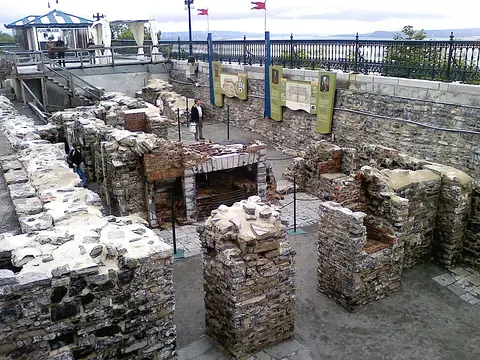
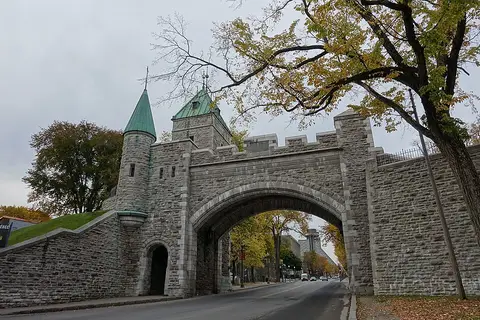
Travel guide · editorialQuébec City is the only city north of Mexico whose fortified walls are still almost completely intact. A city trip to Québec leads you through steep lanes, past 17th-century stone houses, and up to the Château Frontenac high above the St. Lawrence River.
Cradle of French America
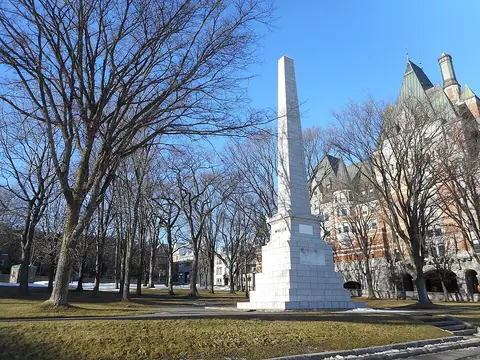
Samuel de Champlain founded Québec in 1608 at a spot where the St. Lawrence River narrows – "kébec" means "where the river narrows" in the Algonquin language. The city became the capital of New France. In 1759, the British defeated the French in the Battle of the Plains of Abraham, and both generals, Wolfe and Montcalm, died. Despite British rule, Québec retained its French character; today, more than 90 percent of residents speak French as their native language. In 1985, the historic district was named a UNESCO World Heritage Site.
Sights in Québec City
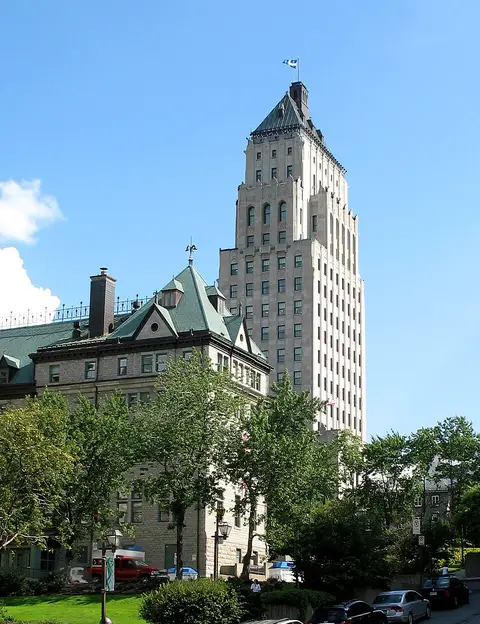
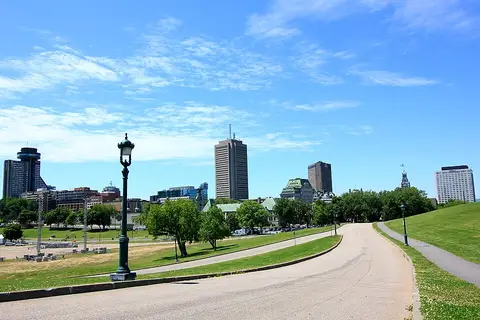
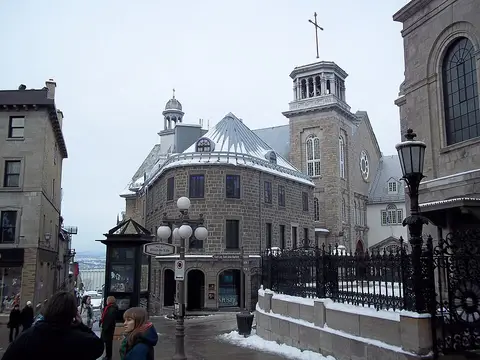
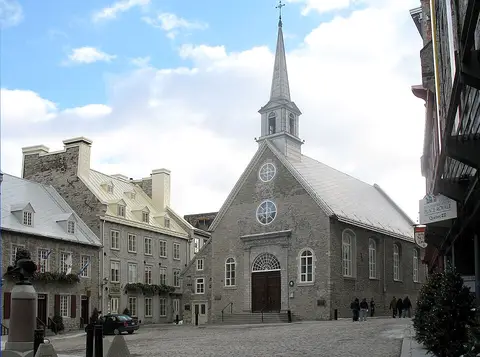
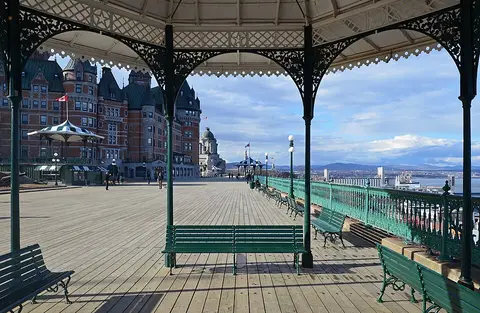
The city's landmark is the Château Frontenac, a hotel built in the style of a Loire Valley château that opened in 1893 and is considered one of the most photographed hotels in the world. In front of it runs the Dufferin Terrace, a wooden boardwalk with views across the river. From here, a funicular takes you down to the Lower Town and the Petit Champlain District, with its boutiques, restaurants, and the Place Royale, home to the church of Notre-Dame-des-Victoires. You can stroll along the city walls all the way around the Upper Town. The star-shaped Citadelle is still in military use today, and the changing of the guard takes place here in summer. The Plains of Abraham park commemorates the battle and is a popular spot for concerts. The Musée de la civilisation and the Musée national des beaux-arts du Québec present the history and art of the province.
Neighborhoods and Food
Outside the walls, you'll find Rue Saint-Jean with its cafés and bars, while the Saint-Roch neighborhood in La Cité-Limoilou has reinvented itself with bistros, microbreweries, and start-ups. Restaurants in Québec City serve typical dishes such as tourtière, a meat pie, as well as cretons, pea soup, and, of course, poutine. At the Marché du Vieux-Port, you'll find cheese, cider, and maple products from the region. In spring, the sugar shacks in the surrounding countryside invite you to feasts featuring maple syrup. In the evening, you can sit in a pub on Grande Allée or in a brewery in Saint-Roch and try beer from Québec, which is among the most exciting in Canada. If you're looking for something special, spend a winter night at the Hôtel de Glace on the outskirts of the city, a hotel that is rebuilt from snow and ice every year.
Festivals and Excursions
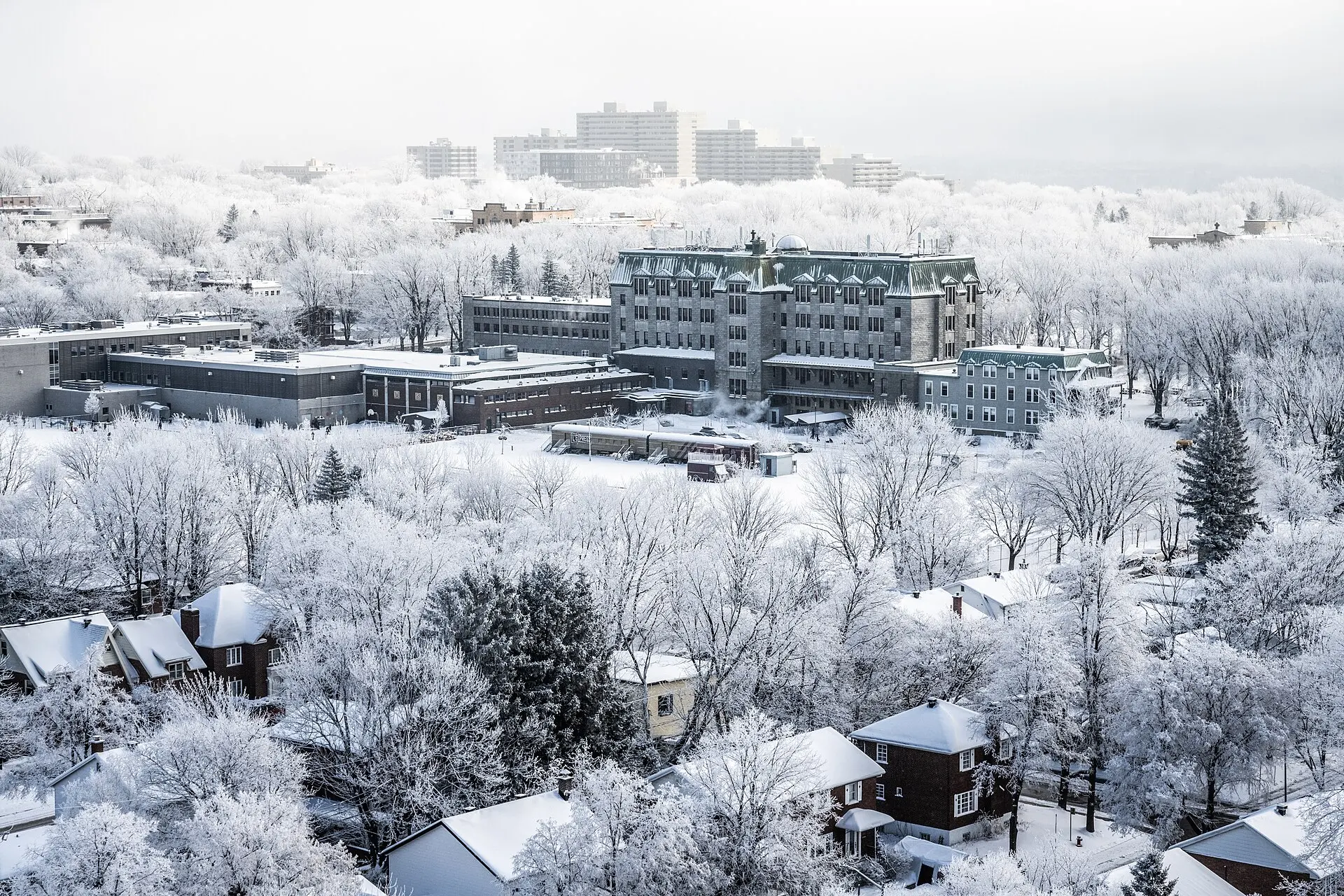
The highlight of winter is the Québec Winter Carnival in February, one of the largest winter carnivals in the world, with its snowman mascot Bonhomme, an ice palace, night parades, and canoe races on the frozen river. In summer, the Festival d'été draws crowds with concerts. Just a few miles away, Montmorency Falls plunges down from a height greater than that of Niagara Falls. Île d'Orléans, with its orchards, vineyards, and villages, lies directly opposite, and farther east is the pilgrimage church of Sainte-Anne-de-Beaupré.
Getting There and Best Time to Visit
Jean Lesage Airport is about 9 miles (15 km) to the west, and trains run to Montreal in about three hours. You explore the Old Town on foot, buses connect the city's neighborhoods, and a ferry crosses to Lévis with views of the skyline. The best time to visit is from June to October, and fall is especially beautiful with its colorful forests. If you like winter, come in February for the carnival.