Discover Montreal: Mount Royal, Bagels, and Festivals
Travel guide · editorialIn Montreal, people greet you with “Bonjour-Hi,” eat wood-fired bagels, and celebrate summer with one festival after another. A city trip to Montreal combines European flair, North American ease, and one of the liveliest cultural scenes in Canada.
An Island in the St. Lawrence River
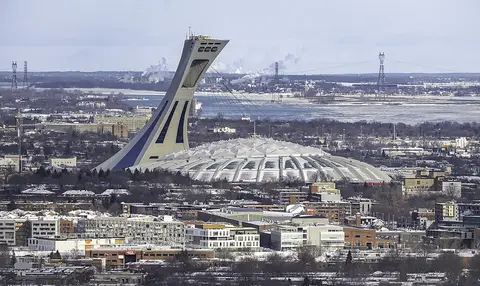
Montreal sits on an island in the St. Lawrence River. This is where the Iroquoian village of Hochelaga once stood, which Jacques Cartier visited in 1535. In 1642, French missionaries founded Ville-Marie, which soon became a center of the fur trade. After the British conquest in 1760, the city remained predominantly French-speaking, while English-speaking merchants dominated the economy. Until the 1970s, Montreal was the largest city in Canada; the 1967 World's Fair and the 1976 Olympic Games left behind striking landmarks. Today it is the world's second-largest French-speaking city after Paris, if you count only native speakers.
Sights in Montreal
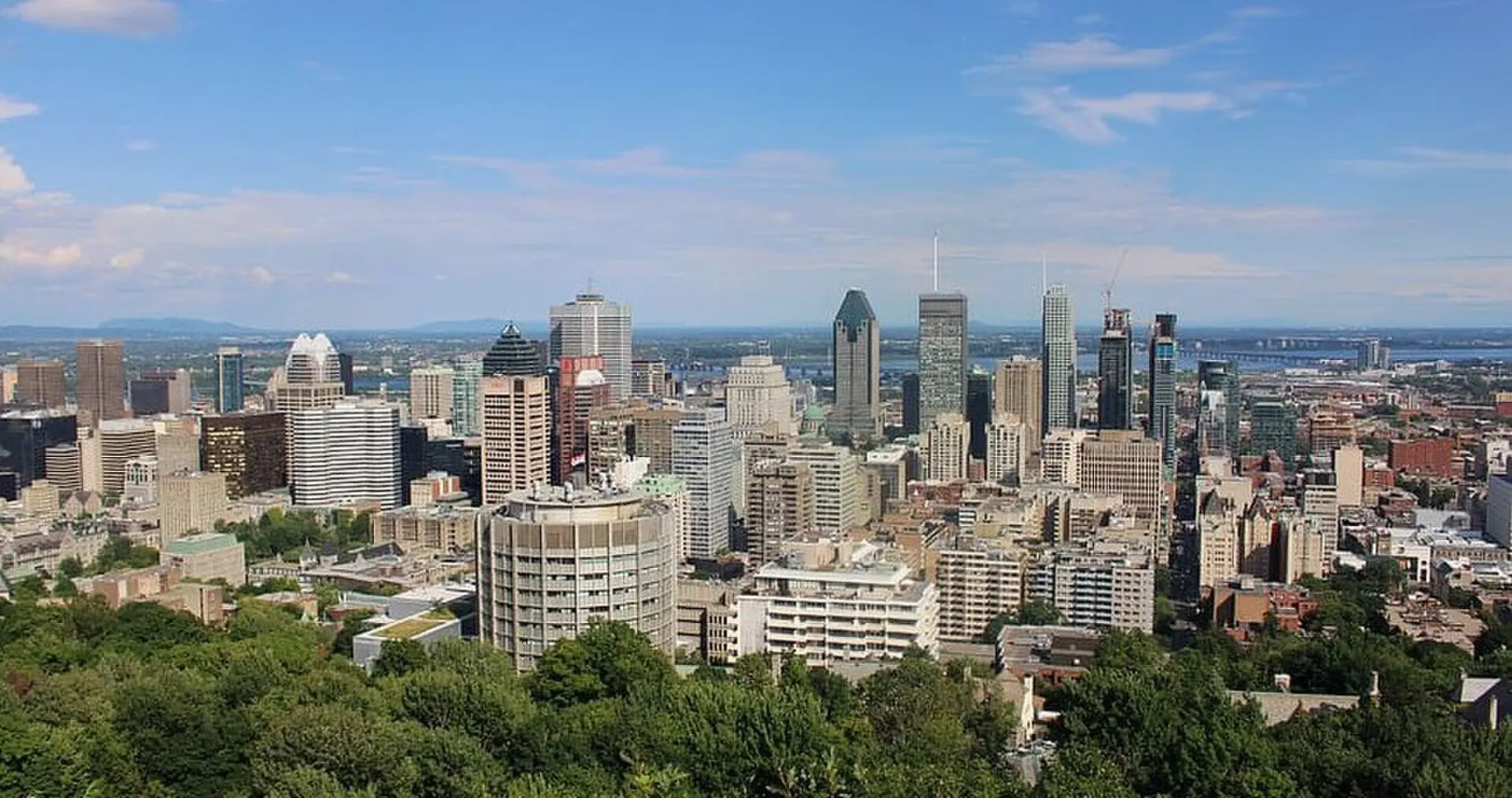
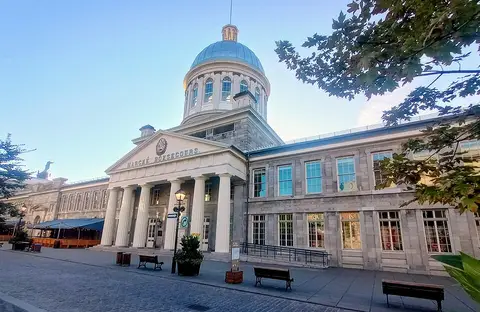
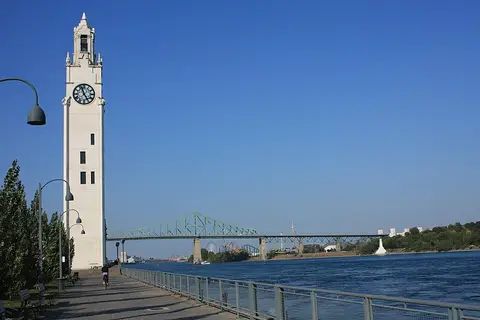
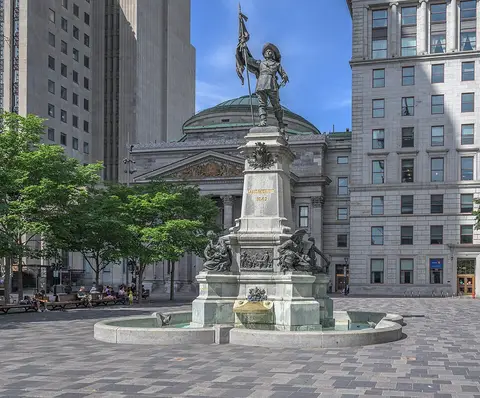
In Old Montreal (Vieux-Montréal), the old town in the Ville-Marie borough, the neo-Gothic Notre-Dame Basilica rises up, with an interior in blue and gold that hosts light and sound shows. Place Jacques-Cartier and Rue Saint-Paul, lined with stone buildings, lead down to the Old Port, where a Ferris wheel, zip line, and boat tours draw visitors in summer. The Pointe-à-Callière Museum shows the city's origins through archaeological excavations. Above the city rises Mount Royal, a park designed by Frederick Law Olmsted; from the Kondiaronk Belvedere you look out over the skyline. On its slope stands Saint Joseph's Oratory, with one of the largest church domes in the world. To the east are the Olympic Stadium with its leaning tower and the Biodôme.
Neighborhoods: Plateau, Mile End, and Little Italy
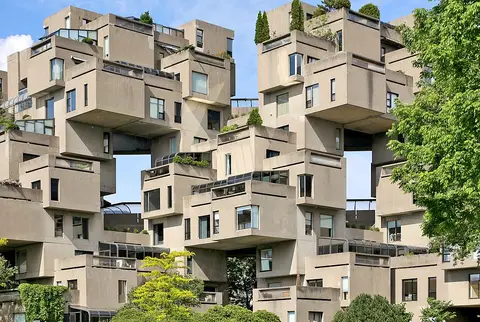
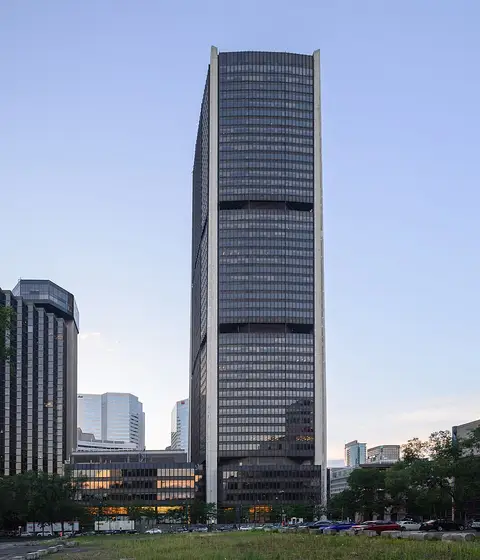
The Plateau-Mont-Royal is known for its colorful row houses with exterior spiral staircases; Rue Saint-Denis and Boulevard Saint-Laurent are lined with cafés and boutiques. The adjacent Mile End is home to artists and musicians, and in Petite-Patrie you'll find the Jean-Talon Market, one of the largest open-air markets in North America. Le Sud-Ouest with the Lachine Canal, Verdun with its urban beach on the river, and the multicultural Côte-des-Neiges show other sides of the city. Beneath downtown, the Underground City (Ville souterraine) connects metro stations, shopping centers, and office towers over roughly 19 miles (30 km), a popular way to escape the cold in winter. Across the river lies Parc Jean-Drapeau on Saint Helen's Island and Notre-Dame Island, with the Biosphère, the geodesic dome from Expo 67, and the Circuit Gilles-Villeneuve Formula 1 track. Habitat 67, a housing complex of stacked concrete cubes by Moshe Safdie, is an architectural classic on the waterfront.
Eating in Montreal
Montreal is a city for food lovers. The classics include poutine, french fries topped with cheese curds and gravy; the smoked meat sandwich, served at delis like Schwartz's since 1928; and the small, slightly sweet, wood-fired bagels that Mile End is famous for. In spring, the sugar shacks (cabanes à sucre) in the surrounding countryside invite you to maple syrup feasts. Restaurants in Montreal range from French-style bistros to Lebanese, Portuguese, and Haitian eateries. Many small restaurants are “Apportez votre vin,” meaning you bring your own wine.
Festivals and Nightlife
In summer, one festival follows the next: the Montreal International Jazz Festival is one of the largest in the world, joined by “Juste pour rire,” the comedy festival, the Francofolies, and the La Ronde fireworks competition. The Quartier des Spectacles downtown offers free concerts and light installations. Montreal celebrates even in winter: at Igloofest, people dance outdoors in the snow, and Montréal en Lumière brings light and cuisine to the coldest time of year. In the evening, the bars fill up along Boulevard Saint-Laurent, in the Village, and in the Plateau.
Getting Around and Best Time to Visit
Montréal-Trudeau Airport is about 12 miles (20 km) to the west; the 747 bus runs around the clock to downtown, and a connection to the automated REM rail network is under construction. The Métro, with its four lines and rubber-tired trains, is fast and reliable, and the BIXI bike-share system is heavily used in summer. Trains run to Québec City, Ottawa, and Toronto. The best time to visit is from May to October; in fall, the forests of the nearby Laurentians glow with color. Winter is long and cold, but reliably snowy and full of life.