







Ontario: Niagara Falls, Big Cities and Lake Country
Travel guide · editorialOntario is Canada's most populous province, stretching from the shores of the Great Lakes to Hudson Bay. A vacation in Ontario combines the multicultural metropolis of Toronto and the capital, Ottawa, with Niagara Falls, canoe trips in Algonquin Park and Indian summer in endless forests.
Landscape and Location
Ontario is nearly three times the size of Germany, yet most people live in the narrow south between Lake Ontario, Lake Erie and Lake Huron. The name comes from an Iroquoian language and means roughly "beautiful water," fitting for a province with about 250,000 lakes. North of the cities begins the Canadian Shield, a landscape of granite, coniferous and mixed forest, rivers and lakes that gives way to tundra and bogs on Hudson Bay to the north. Georgian Bay with its thousands of islands, the Bruce Peninsula with its turquoise water and Lake Superior in the west are the major natural areas. Ontario borders the United States, Quebec and Manitoba.
Toronto and the Golden Horseshoe
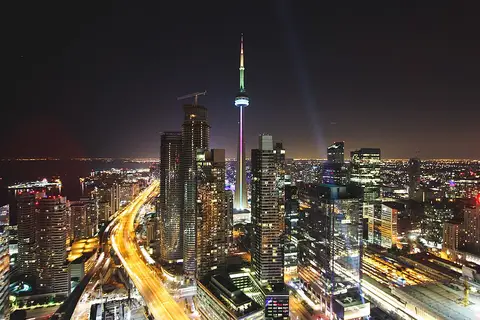
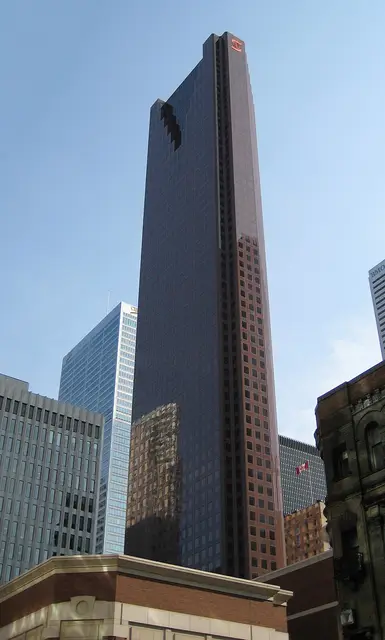
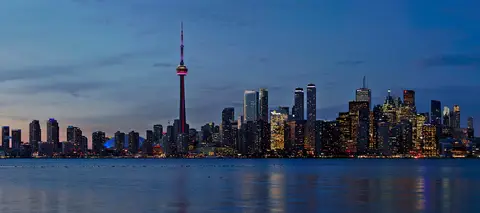
Toronto is Canada's largest city and one of the most diverse in the world; nearly half of its residents were born abroad. The CN Tower, over 550 meters (1,800 ft) tall, offers a glass-floor platform and the EdgeWalk, where you walk around the outside while tethered by a harness. The Distillery District with its brick factories, Kensington Market, Chinatown, the Royal Ontario Museum and the Art Gallery of Ontario are all part of the program. Ferries take visitors to the Toronto Islands, with views of the skyline. The metropolitan area also includes Scarborough in the east with the Scarborough Bluffs, chalky cliffs; Mississauga, home of Pearson Airport; Brampton with a large South Asian community; and Vaughan with the amusement park Canada's Wonderland. At the western end of Lake Ontario lies Hamilton, a steel city with more than a hundred waterfalls along the Niagara Escarpment.
Sights in Ontario
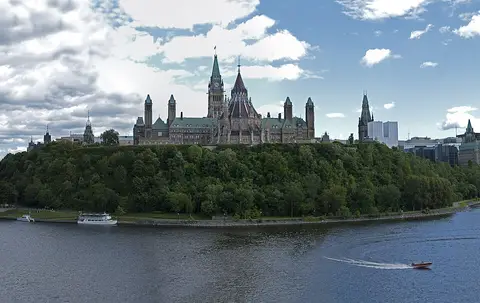
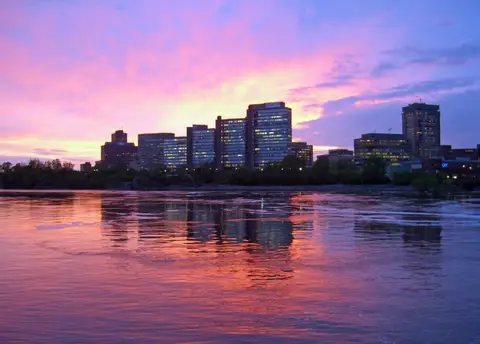
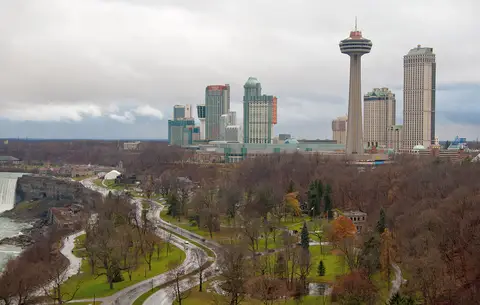
Niagara Falls on the border with the United States is the best-known of Ontario's destinations. The Canadian Horseshoe Falls plunge about 50 meters (165 ft) in a semicircle, boats head right into the spray, and tunnels lead behind the curtain of water. Quieter is Niagara-on-the-Lake with its wineries and theater festival. Ottawa, Canada's capital, lies on the Ottawa River; Parliament Hill in neo-Gothic style, the National Gallery with the giant spider sculpture Maman, and the Canadian Museum of History on the Quebec side are highlights. The Rideau Canal, a World Heritage site, becomes one of the longest natural ice rinks in the world in winter. Between Kingston and Brockville lie the Thousand Islands in the St. Lawrence River.
Nature, Lakes and Parks
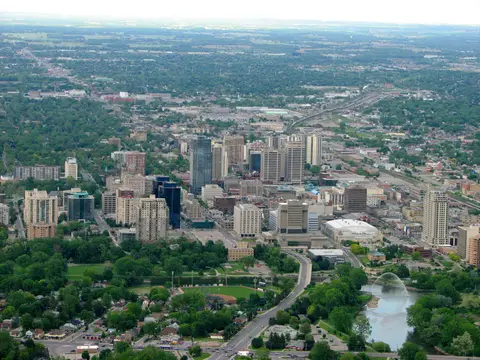
Algonquin Provincial Park, three hours north of Toronto, with its lakes, canoe routes and moose, is the epitome of Canadian wilderness; in fall the maples here turn red. Cottage Country around Muskoka is the summer destination of Torontonians, with vacation homes on lakes. The Bruce Peninsula with Fathom Five National Marine Park offers grottoes and shipwrecks. In the north lie Lake Superior Provincial Park with Ojibwe rock paintings and the Agawa Canyon, which you can reach by train. In the southwest near London, a university city on a river called the Thames, tobacco and vegetables are grown, and Stratford hosts a major Shakespeare festival.
Food and Drink
Ontario is a melting pot, and its cuisine reflects that: in Toronto you can find good food from almost every country. Local specialties include the peameal bacon sandwich at St. Lawrence Market, butter tarts (small pastries with a sweet filling) and maple syrup from the forests. The Niagara Peninsula is Canada's most important wine region, famous for ice wine. In summer there is fresh fruit at roadside stands, and in the north, fish from the lakes such as walleye, known here as pickerel.
Getting There and Best Time to Visit
Toronto Pearson is Canada's largest airport, with direct flights from Europe; Ottawa complements it. VIA Rail trains connect Toronto with Ottawa and Montreal, and GO Transit serves the surrounding area. A rental car is necessary for the national parks. The best time to visit Ontario is from June to October; the forests turn color in late September and early October. Winter is long and cold, but offers ice skating, cross-country skiing and the Winterlude festival in Ottawa in February.