


Discover Ottawa: Parliament, the Rideau Canal, and Museums
Travel guide · editorialOttawa is the capital of Canada and, at the same time, a surprisingly green, laid-back city on the Ottawa River. A city break in Ottawa takes you to Neo-Gothic Parliament buildings, the great national museums, and, in winter, the world's longest skating rink.
From Bytown to Capital
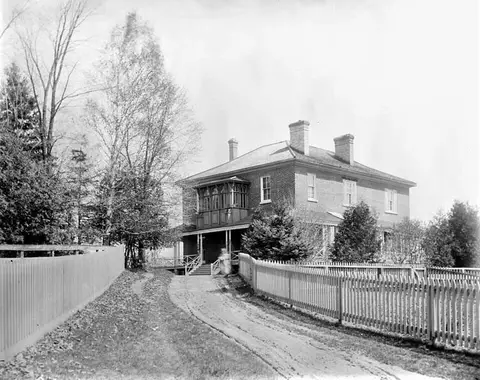
The settlement began in the 1820s as Bytown, when British engineers under Colonel John By built the Rideau Canal, a military waterway running to Lake Ontario. The town lived off the timber trade and was notorious for its barroom brawls. In 1857, Queen Victoria chose the city as the capital of the Province of Canada, partly because it lay between English-speaking and French-speaking territory. With Confederation in 1867, Ottawa became the national capital. To this day the city has a bilingual character, and the francophone city of Gatineau lies on the other side of the river.
Sights in Ottawa
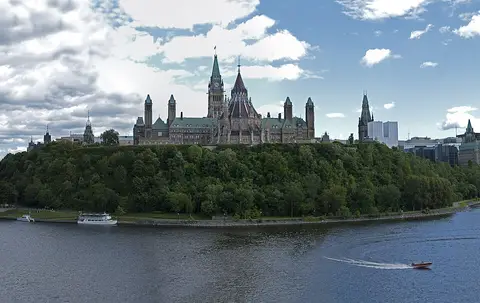
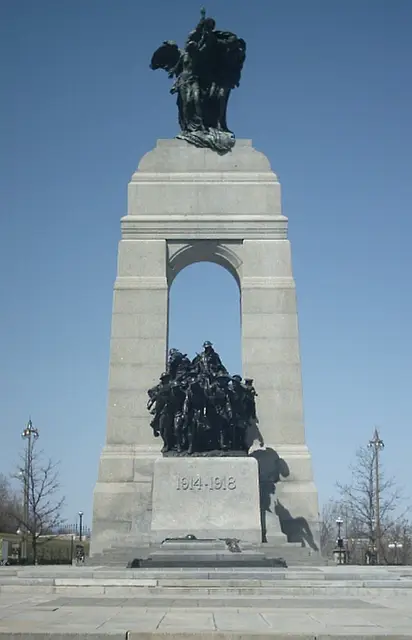
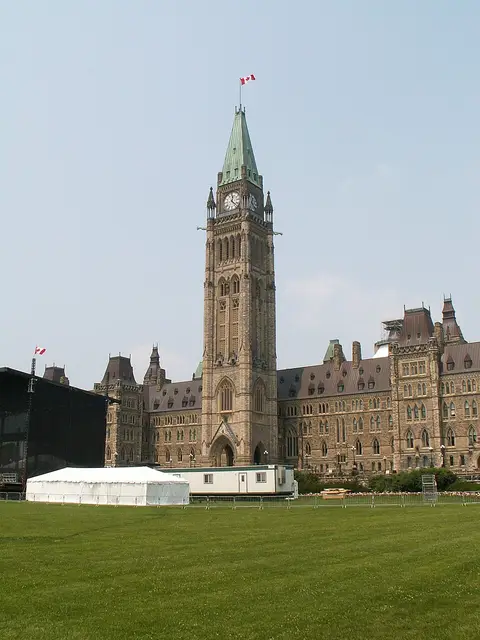
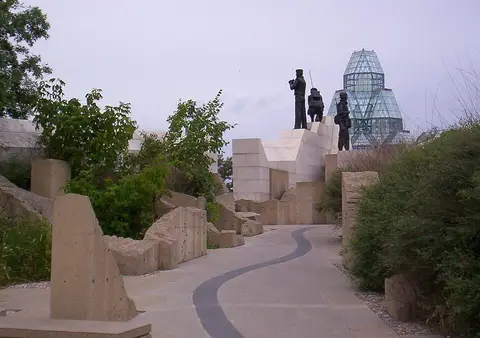
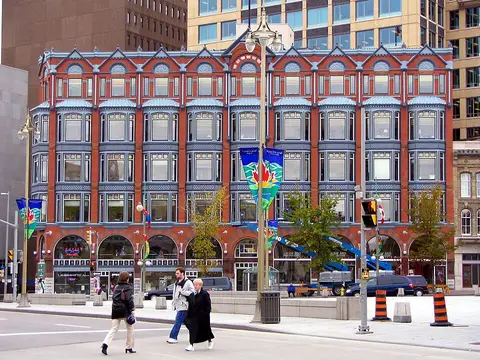
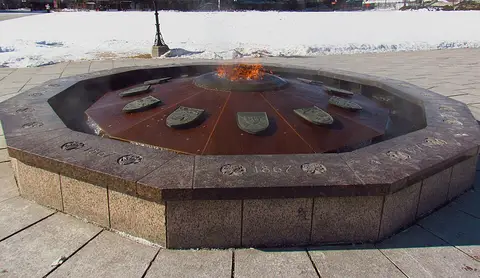
On Parliament Hill, the Neo-Gothic Parliament buildings tower above the river. The Centre Block with the Peace Tower has been undergoing extensive renovation for years, and sessions are being held in temporary buildings in the meantime; guided tours are available. In summer, the Changing of the Guard takes place on the lawn every day. The Rideau Canal with its locks is a UNESCO World Heritage Site and runs right through the city. Right next to it is the ByWard Market, one of Canada's oldest markets. Sparks Street, a pedestrian zone running parallel to Parliament, and Confederation Square with the National War Memorial are just a few steps away. The National Gallery, with Louise Bourgeois's giant spider sculpture "Maman," shows Canadian and Indigenous art, and the Canadian War Museum and the Canadian Museum of Nature are also worth a visit. Directly across the river in Gatineau is the Canadian Museum of History, with totem poles in its Grand Hall.
Neighborhoods and Food
The ByWard Market in the Rideau-Vanier neighborhood is the center of the nightlife scene, with restaurants, bars, and stalls. This is also where you'll find BeaverTails, flat, stretched fried pastries dusted with cinnamon sugar, which opened their first stand in Ottawa. The Glebe neighborhood south of downtown offers boutiques and cafés, while Little Italy and Chinatown on Somerset Street offer a wide variety of restaurants. In the Rockcliffe Park neighborhood, diplomats live in stately homes, and the Governor General's residence, Rideau Hall, is open to visitors.
Winterlude and Tulips
In winter, the Rideau Canal freezes over and becomes the Rideau Canal Skateway, a skating rink nearly eight kilometers (about 5 miles) long, where locals even skate to work. In February, the city celebrates Winterlude with ice sculptures and snow slides. In May, hundreds of thousands of tulips bloom at the Tulip Festival, a thank-you from the Netherlands, whose royal family found refuge in Ottawa during World War II. On July 1, all of Canada celebrates its national holiday on Parliament Hill.
Getting There and Best Time to Visit
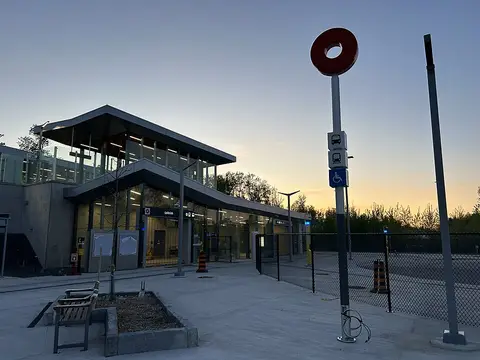
Macdonald-Cartier Airport is about 15 kilometers (about 9 miles) to the south, and the O-Train connects it with downtown. VIA Rail trains run to Montreal and Toronto. The best time to visit is from May to October; in fall, nearby Gatineau Park glows in red and gold. If you don't mind the cold, come in February for ice skating. For excursions, consider canoe trips on the Ottawa River, bike paths along the canal, and a visit to the Diefenbunker, a Cold War–era nuclear bunker west of the city.