
Discover Toronto: CN Tower, Neighborhoods and Waterfront
Travel guide · editorialMore than half of the residents were born outside Canada, and you can hear hundreds of languages on the streets: Toronto is one of the most diverse cities in the world. A city break in Toronto takes you from the CN Tower through markets and galleries to the islands in Lake Ontario.
From York to Metropolis
Long before Europeans arrived, the area was a meeting place for Indigenous peoples; the name Toronto comes from a Mohawk word that roughly means "place where trees stand in the water." In 1793 the British founded the settlement of York here, and in 1834 it was incorporated as the City of Toronto. For a long time it lived in the shadow of Montreal, but starting in the 1970s banks and corporations moved here, and Toronto became the country's financial center. Immigration from Italy, Portugal, the Caribbean, China, India and many other countries still shapes the city today. In 1998 the surrounding municipalities such as Scarborough, North York and Etobicoke were merged into the city.
Sights in Toronto
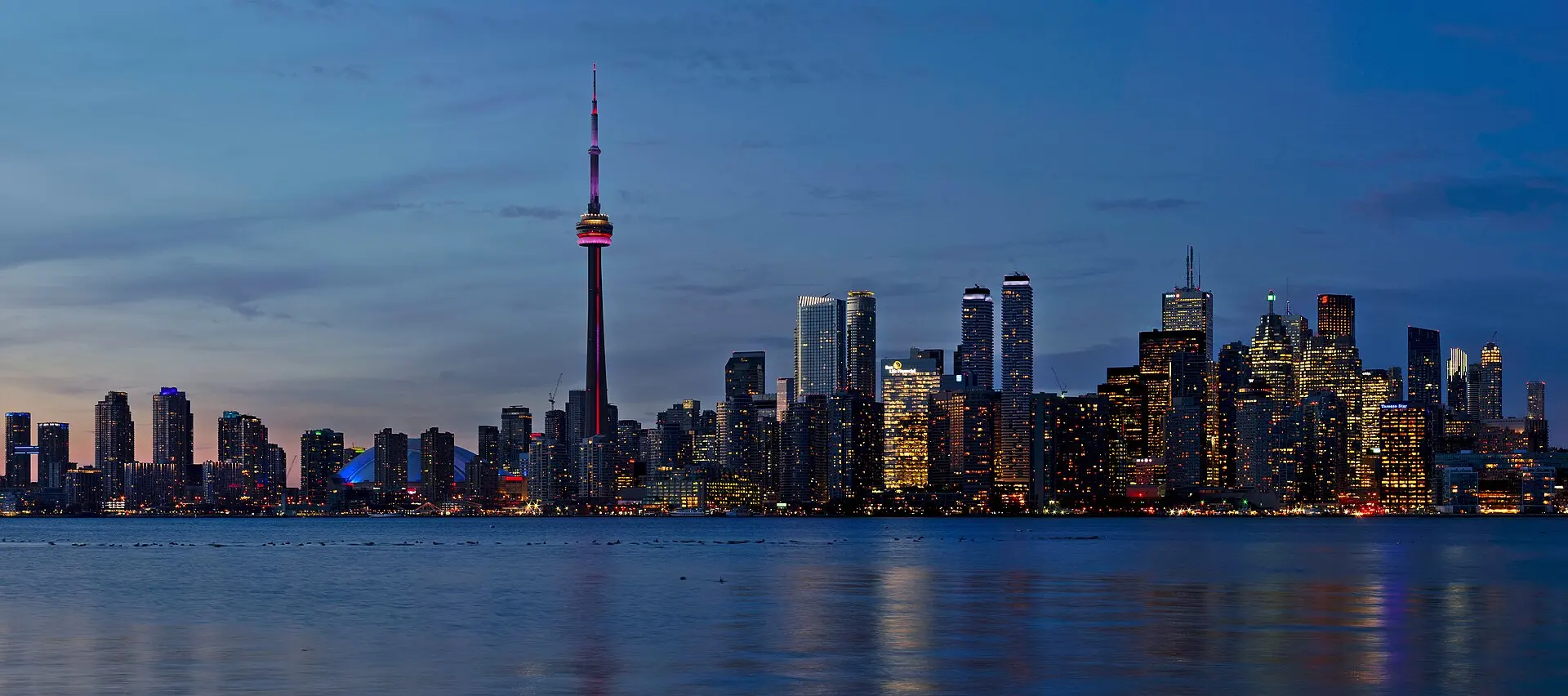
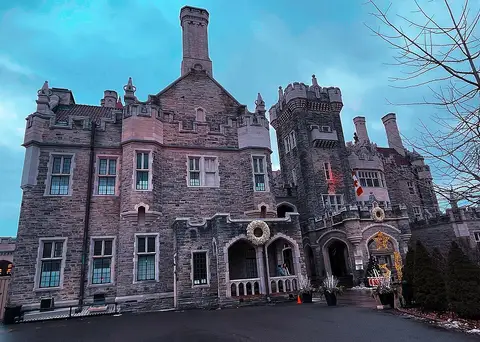
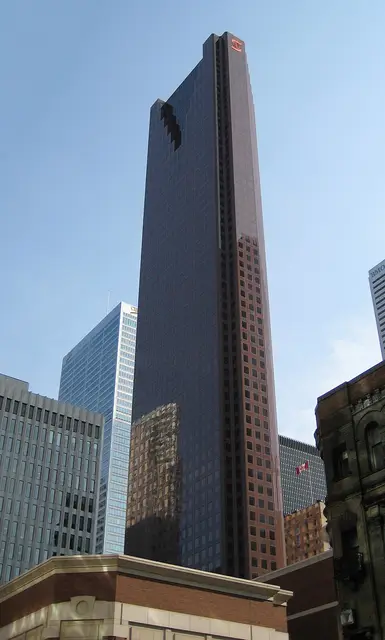
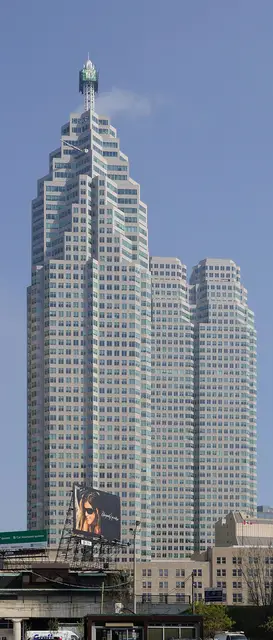
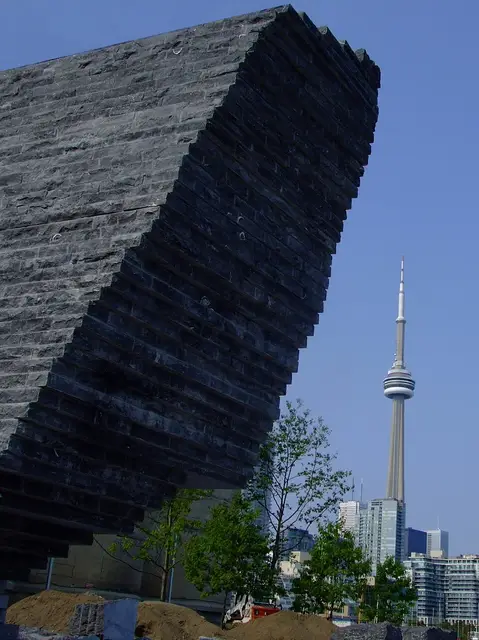
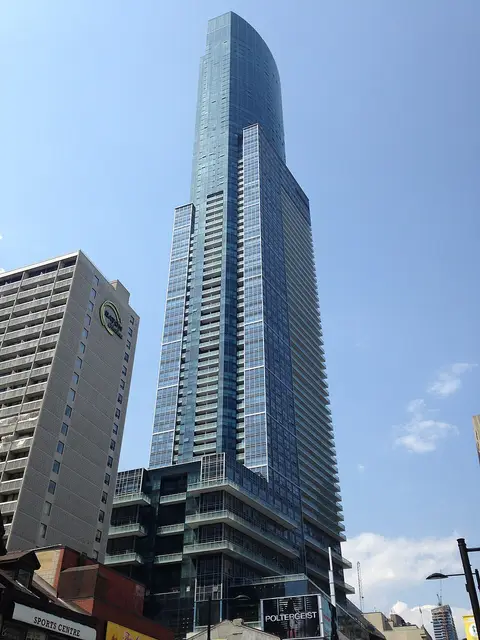
At around 553 meters, the CN Tower is the city's landmark. From the observation deck with its glass floor, the view on a clear day stretches all the way to Niagara Falls; the brave can walk around the outside of the tower on a tether during the EdgeWalk. At its foot you'll find Ripley's Aquarium and the Blue Jays' stadium. Downtown are the old and new city halls, the latter with two curved towers on Nathan Phillips Square, where people go ice skating in winter. Casa Loma, a Gothic Revival castle with towers and secret passages, was built in the early 20th century by a financier. In the Financial District and along the Yonge-Bay corridor, glass towers rise skyward, and beneath them the underground PATH network connects shops and office buildings over many kilometers.
Neighborhoods from Kensington to the Distillery
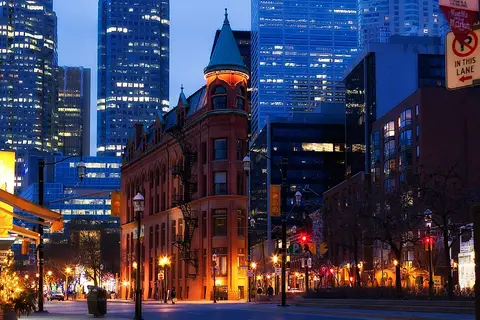
The best way to get to know Toronto is through its neighborhoods. Kensington Market and neighboring Chinatown are a tangle of vintage shops, spice merchants and snack stalls. In the Annex, around the University of Toronto, students live in Victorian houses; in Trinity-Bellwoods young people gather in the park on weekends, and Queen Street West is full of galleries and boutiques. To the east lies the Distillery District, a former whisky distillery of Victorian brick buildings, now a pedestrian zone with cafés and a Christmas market. Around the St. Lawrence Market and the East Bayfront, history meets new waterfront residential neighborhoods. Little Italy, Greektown on Danforth Avenue and Little Portugal show the diversity of the immigrant communities.
Museums and Culture
The Royal Ontario Museum, with its crystal-shaped addition by Daniel Libeskind, displays dinosaurs, world cultures and natural history. The Art Gallery of Ontario, redesigned by Frank Gehry, holds works by the Group of Seven, Canada's most famous group of painters. The Bata Shoe Museum is devoted to footwear from around the world, and the Aga Khan Museum to Islamic art. Every September the Toronto International Film Festival turns the city into a stage for movie stars. Sports are everywhere: hockey with the Maple Leafs, basketball with the Raptors and baseball with the Blue Jays.
Eating and Going Out in Toronto
Toronto's restaurants reflect the world: dim sum in Chinatown, Caribbean roti, pho in the Vietnamese neighborhoods, tandoori in Little India on Gerrard Street. A local specialty is the peameal bacon sandwich, made with back bacon rolled in cornmeal, best enjoyed at St. Lawrence Market, a market hall dating from 1803. In the evening, bars and clubs along King Street West, in the Entertainment District and on Ossington Avenue draw a young crowd. In Kensington and Little Italy you'll find small live-music venues.
Getting Around, Best Time to Visit and Day Trips
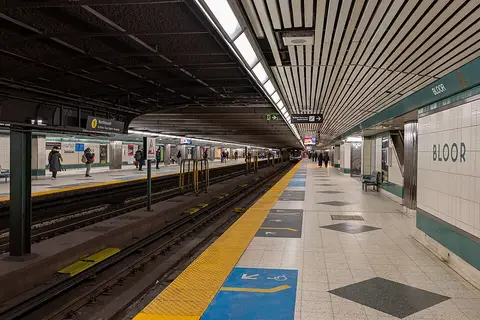
Toronto Pearson airport is about 25 kilometers northwest of downtown; the UP Express takes travelers to Union Station in around 25 minutes. The small city airport, Billy Bishop on the Toronto Islands, is used for flights to Montreal, Ottawa and the U.S. In the city you can get around by subway, bus and the distinctive red streetcars. The best time to visit is between May and October, when festivals and patios beckon; in fall the ravines, the city's wooded gorges, turn a brilliant red. Winter is cold and snowy. A ferry takes you to the Toronto Islands with their beaches and skyline views, and Niagara Falls is about 90 minutes away.