

Discover Norfolk: Navy City on the Chesapeake Bay
Travel guide · editorialAircraft carriers, destroyers, and submarines lie closer together here than anywhere else: Norfolk is home to the largest naval base in the world. A trip to Norfolk combines maritime history with art, Victorian neighborhoods, and beaches on the Chesapeake Bay in southeastern Virginia.
Harbor, War, and Navy
Norfolk was founded in 1682 and grew as a port at the mouth of the Elizabeth River where it meets Hampton Roads. In 1776, British and Patriot troops burned the city down; a cannonball is still lodged in the wall of St. Paul's Episcopal Church today. During the Civil War, the ironclads Monitor and Virginia fought a famous duel in Hampton Roads. Since World War I, the Navy has shaped the city: Naval Station Norfolk is the home port of the Atlantic Fleet, and shipyards in the region build and maintain aircraft carriers.
Sights in Norfolk
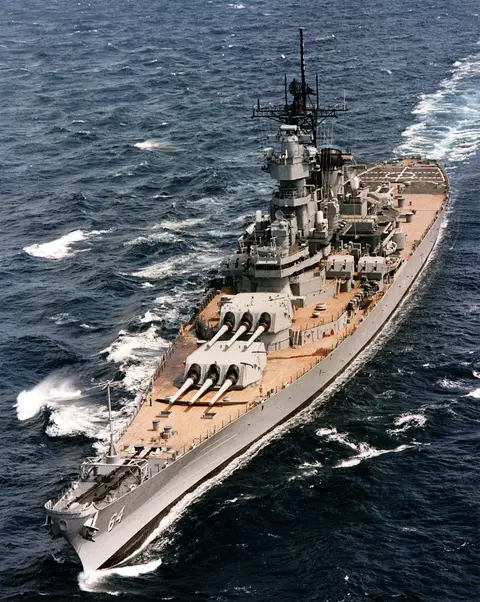
On the riverfront you'll find Nauticus, a maritime museum with exhibits on the Navy, and next to it the battleship USS Wisconsin, which you can tour on deck and partly inside. Boat tours depart from here and pass the naval base, giving you a close-up look at the gray giants. The Chrysler Museum of Art has an outstanding glass collection and European painting; admission is free. The MacArthur Memorial, housed in a former city hall, honors General Douglas MacArthur, who is buried here. In the Ghent neighborhood, with its brick houses and tree-lined streets, you can stroll past cafés and galleries. The Norfolk Botanical Garden near the airport is especially magnificent when the azaleas bloom in April.
Eating and Going Out in Norfolk
The Chesapeake Bay supplies blue crabs, oysters, and rockfish. Crab cakes, steamed crabs with Old Bay seasoning, and Lynnhaven oysters belong on your table. Granby Street downtown and Colley Avenue in Ghent are nightlife strips with bars, restaurants, and live music, while in the NEON District, murals and small breweries create a creative vibe. The Waterside District on the river offers restaurants with views of the ships. In summer, numerous festivals take place, such as Harborfest with its tall ships.
Neighborhoods of Norfolk
Ghent is the most popular residential neighborhood, with trees, brick houses, and cafés along Colley Avenue. Freemason, the oldest neighborhood, has cobblestone streets and historic houses from the 18th and 19th centuries. The NEON District, with its murals, theaters, and galleries, is the arts district. Ocean View on the Chesapeake Bay offers quiet beaches with shallow water, ideal for families. If you're interested in naval history, you'll find a free exhibit at the Hampton Roads Naval Museum in Nauticus.
Getting Around Norfolk and the Best Time to Visit
Norfolk International Airport lies northeast of downtown. The light rail line The Tide runs through downtown, and a ferry crosses the river to Portsmouth. Amtrak connects Norfolk with Washington and the Northeast. The best times to visit are late spring and fall; summers are humid, and hurricanes occasionally threaten the coast. Day trips lead to Virginia Beach with its long boardwalk, to the Historic Triangle of Williamsburg, Jamestown, and Yorktown, and to the swamps of the Great Dismal Swamp.