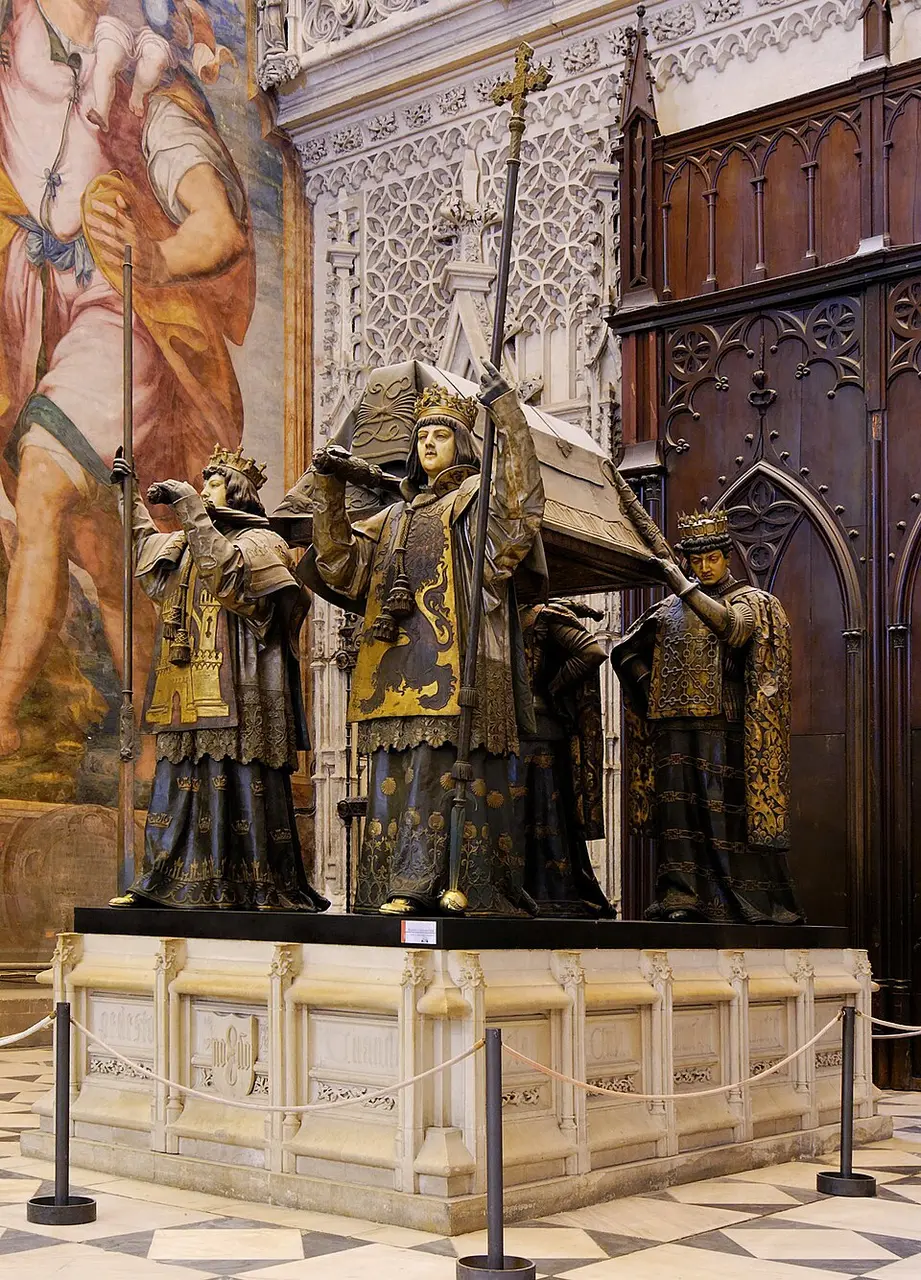
About Tumba de Cristóbal Colón
The tomb of Christopher Columbus has been in Seville Cathedral since 1899 and is now a central attraction for visitors to the city. The story of how his remains were transferred is long and complex. Columbus died in Valladolid in 1506, where his body was first buried in the Convent of San Francisco. On the instructions of his son Diego, the bones were moved in 1509 to the Carthusian monastery of Santa Maria de las Cuevas in Seville, a place Columbus had cherished during his lifetime. The remains later made their way to the Americas, though the exact timing of their transfer to Santo Domingo is disputed among historians and is dated to 1536 or later. They stayed in Santo Domingo Cathedral until 1795, when they were moved to Havana after part of the island of Hispaniola was ceded to France.
In 1899, the bones finally returned to Europe and were interred in Seville Cathedral. The authenticity of the bones resting there was already examined in studies between 2003 and 2005. In October 2024, a research team from the University of Granada, led by forensic scientist José Antonio Lorente, used DNA analysis to confirm conclusively that the remains buried in Seville do in fact belong to Columbus. The confirmation came from comparing them with the remains of his son Fernando and his brother Diego. While Spanish authorities consider the results final, Dominican officials continue to call for independent testing, as they suspect that some of the bones may also be located in the Dominican Republic.
For visitors to Seville Cathedral, the tomb is a significant historical monument that recalls the discovery of the Americas. The monument stands in a dignified setting within the sacred building. The recent scientific clarification of the bones' origin has underscored the historical importance of the site and reignited the debate over the navigator's final resting place. The tomb stands against the backdrop of the complex political and family circumstances that shaped the movement of the remains across several centuries and continents.
At a glance
- Category
- Sight › Monuments
- Rating
- no reviews yet · write a review
- Address
Seville, Spain- District
- Santa Cruz
- Phone
- —
- Website
- —
- —
- Coordinates
- 37.38571° N · -5.99306° E
- Data quality
- confidence 0.92
- Identifier
- ID af00f48e-daf…
Location & surroundings
Toggle layersRatings & comments
none yetNear Tumba de Cristóbal Colón
closest 5 per category · 2 kmSights
Restaurants
Museums
Hotels
More:Monuments in Seville (55)Sights in Santa Cruz (65)All sights in Seville (269)
292 places within 2 km loaded.
Don't miss in Seville
All sights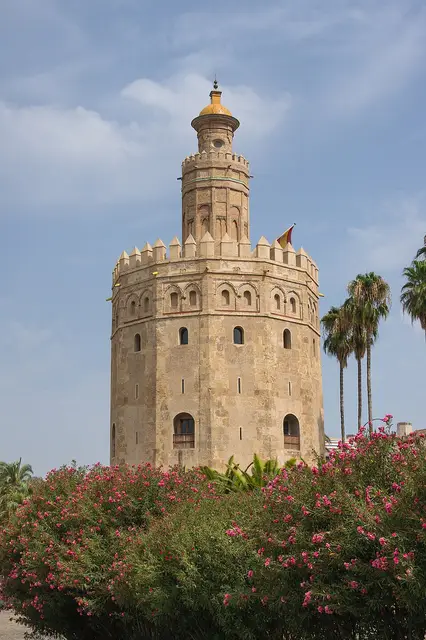 Historic sites01
Torre del Oro
The Golden Tower, P.º de Cristóbal Colón, s/n · Seville● Website● Phone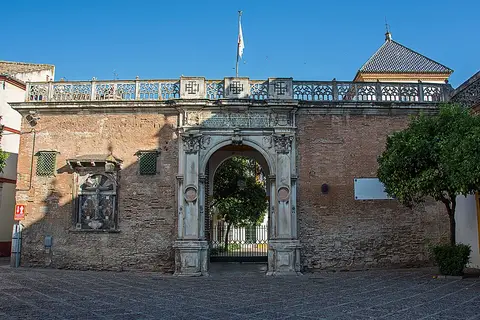 Palaces02
Casa de Pilatos
Pl. de Pilatos, 1 · Seville● Website● Phone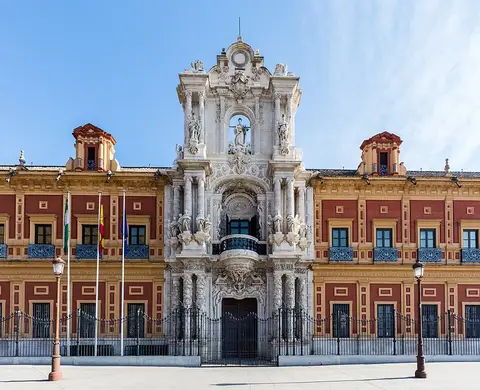 Palaces03
Palacio de San Telmo
P.º de Roma · Seville● Website● Phone Monuments04
You need a free account to leave reviews and photos – that keeps comments genuine and lets you edit them later.