About Jardines De Ramón Pla Armengol
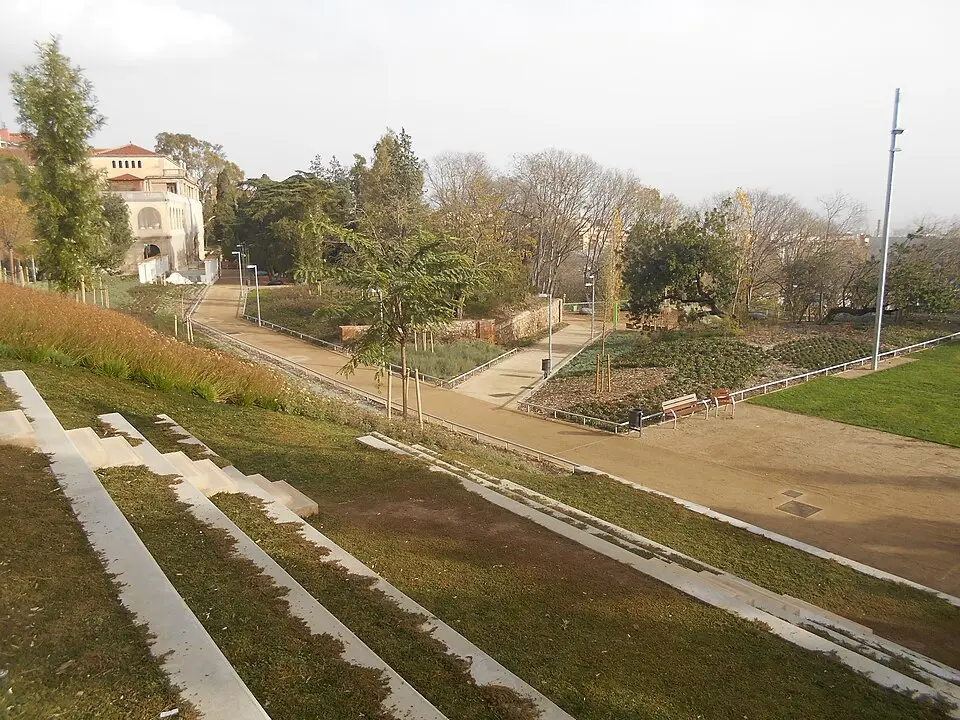
The Gardens of Dr. Pla i Armengol are located in Barcelona's Guinardó district and recall the history of the Ravetllat-Pla Institute that once stood here. This research center was founded in 1919 by the bacteriologist Ramon Pla i Armengol and the veterinarian Joaquim Ravetllat i Estech to combat tuberculosis. After Ravetllat's death in 1923, Pla moved the institute's headquarters to Barcelona and in 1927 acquired the estate, which had previously been known as Los Seminarios. Between 1927 and 1930, the architect Adolfo Florensa redesigned the building and the surrounding gardens in the Noucentisme style. During the Spanish Civil War, the villa served for a time as a refuge for the Basque government in exile. Later, the doctor's daughter, Núria Pla, took over management of the laboratory until she donated the property to the city of Barcelona in 1989. After extensive renovation and the creation of a museum in the house, which holds the family's collection, the gardens opened to the public in December 2019.
The grounds cover an area of around 36,700 square meters and are divided into three main areas. At the center is the institute's historic building, now used as a museum, which stands out architecturally for its T-shaped floor plan, its Doric columns, and the decorative stone vases along the roof cornice. The historic Noucentisme garden impresses with its monumental features, including the striking Venus of Fréjus fountain, a copy of an ancient work, as well as other sculptures such as a water carrier and a horse, which was the institute's symbol. The vegetation includes traditional Mediterranean species such as olive trees, carob trees, and orange trees.
Beyond the historic core, the gardens today also offer modern spaces for relaxation and experiencing nature. In the area where the stables once stood, you'll find an amphitheater, a playground, and a viewpoint. The southeastern part is dedicated to promoting biodiversity and is home to community gardens tended by local residents, as well as special habitats for wildlife. Here you'll find wetland biotopes, a stretch of Mediterranean woodland with oaks and pines, and an aromatic herb bed. These diverse habitats encourage a variety of bird species, insects, and amphibians to settle, making the site an important green link in Barcelona's urban ecosystem.
At a glance
- Category
- Sight › Historic sites
- Rating
- no reviews yet · write a review
- Address
- —
Barcelona, Spain - District
- Horta-Guinardó
- Phone
- —
- Website
- —
- —
- Coordinates
- 41.41570° N · 2.17043° E
- Data quality
- confidence 0.89
- Identifier
- ID c9eb0e75-292…
Location & surroundings
Toggle layersRatings & comments
none yetNear Jardines De Ramón Pla Armengol
closest 5 per category · 2 kmSights
Restaurants
Museums
Hotels
More:Historic sites in Barcelona (577)Sights in Horta-Guinardó (43)All sights in Barcelona (680)
261 places within 2 km loaded.
Don't miss in Barcelona
All sights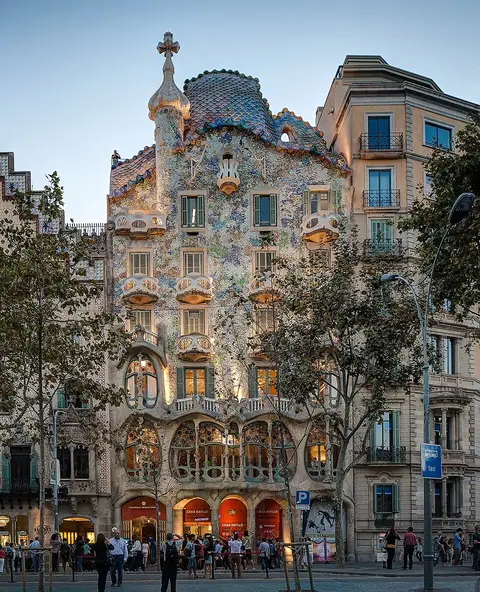 Historic sites01
Casa Batlló
Pg. de Gràcia, 43 · Barcelona● Website● Phone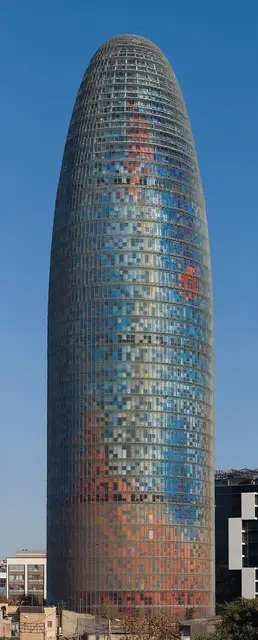 Historic sites02
Torre Glòries
Av. Diagonal, 211 · Barcelona● Website● Phone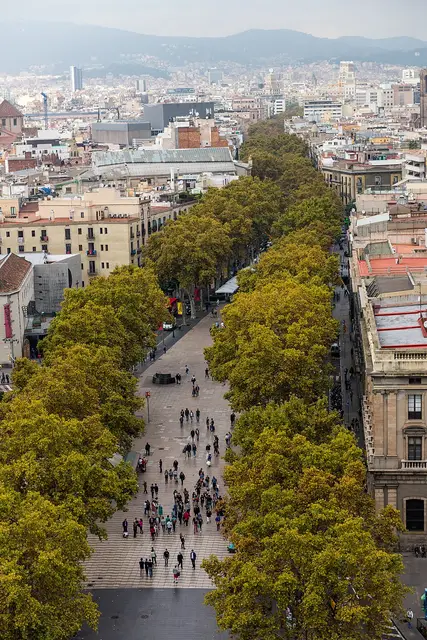 Historic sites03
Las ramblas
Barcelona (Sants · Barcelona● Website○ Phone Historic sites04
You need a free account to leave reviews and photos – that keeps comments genuine and lets you edit them later.