About Riga Ghetto
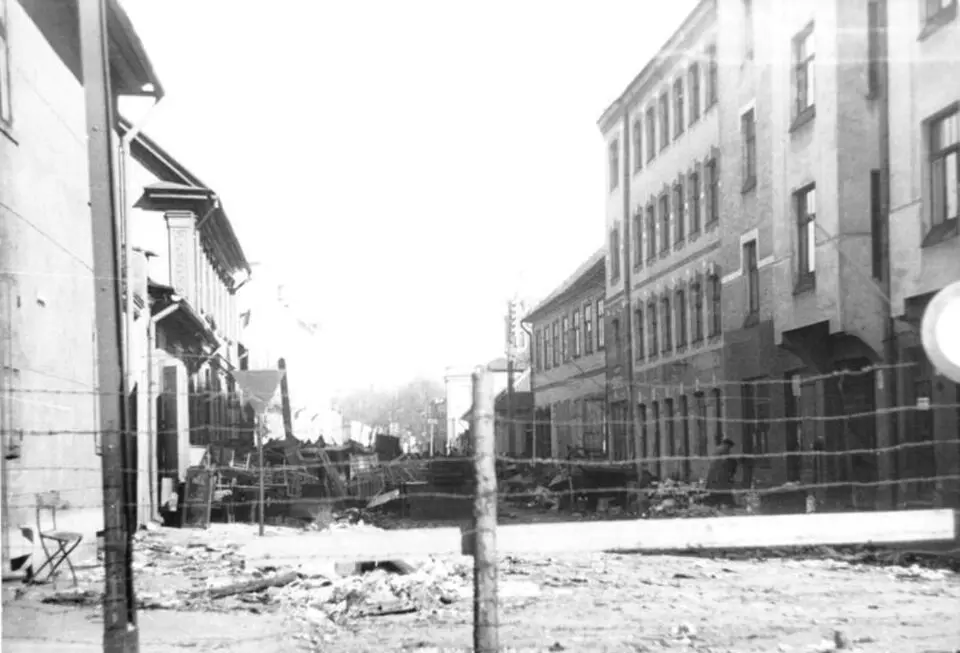
During World War II, the Riga Ghetto was a fenced-off, sealed area in the Latgale Suburb of the Latvian capital. Beginning in 1941, the German occupiers interned Jewish people there, at first mainly the local population and later also Jews deported from Germany. The site served as a makeshift assembly camp and forced-labor site before most of the prisoners were murdered in the Holocaust. The history of this place is closely tied to the Jewish presence in Riga, which dates back to the 17th century. Despite earlier expulsions, the city became the political and cultural center of Latvia's Jews. In the 1930s, a considerable share of Latvia's Jewish population lived in Riga, where there was a Jewish theater, as well as schools, hospitals, and Yiddish-language newspapers. During the democratic period between the world wars, the Jewish and German minorities frequently worked together.
The situation changed dramatically with the German Wehrmacht's invasion of the Soviet Union and the capture of Riga in July 1941. After a propaganda radio broadcast calling for a fight against the so-called internal enemy, pogroms began, in which Latvian nationalists took part. Within a few months, thousands of Jews were murdered in Riga and the surrounding area. The German military administration shared responsibility, as it encouraged the formation of a Latvian self-defense force. Later, Einsatzgruppe A took control and organized an auxiliary police force. On July 21, 1941, the economic command decided to concentrate the Jewish labor force in a fenced-off area.
The ghetto was established in the Latgale Suburb, an area where Jews and Russians had traditionally lived. It was enclosed with barbed wire, and the police had orders to shoot anyone who tried to cross the fence. Conditions were extreme: residents had to wear the Star of David, were not allowed to use public transportation or attend educational institutions, and were subjected to forced labor. Access to food was severely restricted. By the end of October 1941, almost 30,000 people were living crammed together in the dilapidated buildings. To make room for the Jews deported from Germany, the ghetto was cleared in November 1941. Thousands of Latvian Jews were driven into the nearby Rumbula forest and shot there.
From December 1941, the first transports carrying Jews from Germany arrived in Riga. They were housed in the reduced ghetto, where they came across the traces of those who had just been murdered. A Jewish self-administration was set up, responsible for matters including the ghetto police, schools, and street cleaning. The German Jews renamed streets after the cities they came from. Relations between Latvian and German Jews were tense, but there were also encounters that led to marriages after the war. By mid-1942, tens of thousands more had arrived from various German cities and from Prague. Many were selected immediately upon arrival or taken to other camps such as Salaspils.
The ghetto was run by German SS officers, who acted with great brutality. Forced labor was ubiquitous, as the Nazis exploited Jewish labor for peat extraction, agriculture, and construction. At the same time, regular selections took place in which those unable to work were murdered in the forests. In March 1942, as part of the Dünamünde Action, around 1,900 people were shot under the pretext of resettlement. At the end of 1942, around 12,000 Jews were being used as laborers. Life in the ghetto was marked by hunger, cold, and constant fear of death.
In the summer of 1943, Himmler ordered the remaining Jews to be consolidated in concentration camps. The Riga-Kaiserwald concentration camp was built in the villa suburb of Mežaparks-Kaiserwald. The ghetto was gradually dissolved, and in November 1943 it was cleared completely. Those classified as unfit for work were deported to Auschwitz, while those able to work were taken to the new camp or to various businesses. To erase the evidence, the graves in the forests were later opened and the bodies burned. In total, around 25,000 German Jews were deported to Riga, and only a very few survived.
Today, the Riga Ghetto Museum commemorates this dark chapter. It is located in the Moscow Suburb at the edge of the former ghetto and opened in 2010. Before that, a small Jewish museum had existed since 1989, which also gave rise to the association of survivors of the Riga Ghetto. These institutions serve to preserve the memory of the victims and to document the history of Riga's Jewish community. Visitors can learn about living conditions, the deportations, and the murders, and come to understand the historical significance of the site for an understanding of the Holocaust.
At a glance
- Category
- Sight › Historic sites
- Rating
- no reviews yet · write a review
- Address
- —
Riga, Latvia - District
- Old Riga
- Phone
- —
- Website
- www.bremerhaven.de
- —
- Coordinates
- 56.95000° N · 24.10000° E
- Data quality
- confidence 0.80
- Identifier
- ID 9eeb9dd3-c04…
Location & surroundings
Toggle layersFAQ about Riga Ghetto
quick answersWhat was the Riga Ghetto?
The Riga Ghetto in Riga, Latvia, was a sealed-off area where the German occupiers interned Jewish people starting in 1941 during World War II. At first it mainly affected Latvian Jews, later also Jews deported from Germany. The site served as a makeshift assembly camp and forced-labor site before most of the inmates were murdered in the Holocaust. travelguide195 lists the Riga Ghetto today as a historic site.
When and where was the ghetto in Riga established?
The Riga Ghetto was created after the German Wehrmacht captured Riga in July 1941, in the Latgale Suburb (Moscow Suburb), where Jews and Russians had traditionally lived. On July 21, 1941, the German economic command decided to concentrate Jewish laborers in a fenced-off area. The area was enclosed with barbed wire, and the police had orders to shoot anyone who tried to get over the fence. By the end of October 1941, almost 30,000 people were living there in extremely cramped conditions.
What happened to the people in the Riga Ghetto?
Most of the residents of the Riga Ghetto were murdered in the Holocaust. In November 1941, the ghetto was cleared, and thousands of Latvian Jews were driven into the nearby Rumbula forest and shot there. Starting in December 1941, transports of Jews from Germany arrived and were housed in the reduced ghetto. They lived under Jewish self-administration with a ghetto police force and schools, and renamed streets after their cities of origin.
What was Jewish life in Riga like before World War II?
Before World War II, Riga was the political and cultural center of Latvian Jews, whose presence in the city goes back to the 17th century. In the 1930s, a considerable share of Latvia's Jewish population lived in Riga. There was a Jewish theater of its own, schools, hospitals, and Yiddish newspapers. During the democratic period between the world wars, the Jewish and German minorities often worked together.
What can you see around the Riga Ghetto?
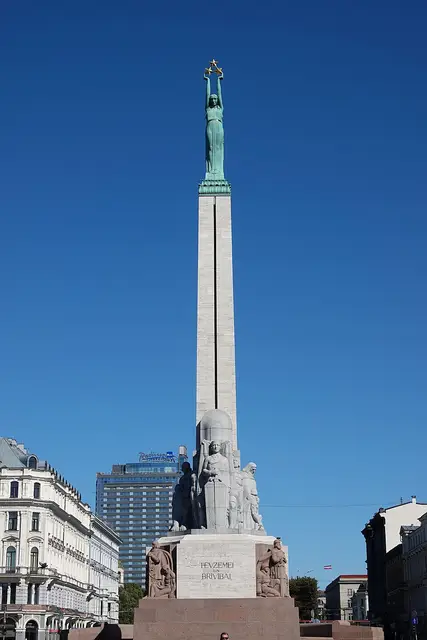
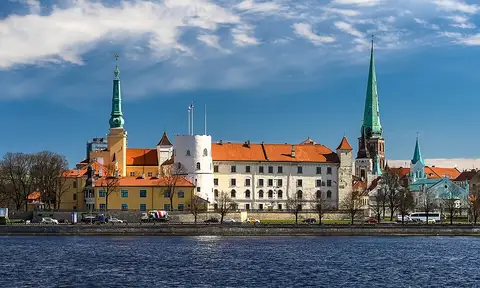
Around the location of the Riga Ghetto as recorded by travelguide195, which the database assigns to the Vecrīga district, there are several sights in Riga's Old Town. These include the Historic Centre of Riga, the Lielais Kristaps monument about 34 meters away, and Riga Castle (Rīgas pils) about 113 meters away. For a break, travelguide195 lists around 53 restaurants within 500 meters.
Ratings & comments
none yetNear Riga Ghetto
closest 5 per category · 2 kmSights
Restaurants
Museums
Hotels
More:Historic sites in Riga (356)Sights in Old Riga (47)All sights in Riga (392)
271 places within 2 km loaded.
You need a free account to leave reviews and photos – that keeps comments genuine and lets you edit them later.