Kosovo: Monasteries, Bazaars, and Mountain Valleys
Travel guide · editorialKosovo is one of Europe's youngest and smallest countries, with one of the continent's youngest populations. If you're planning a trip to Kosovo, you'll find Ottoman old towns, Serbian Orthodox monasteries with medieval frescoes, and mountain valleys that stay pleasantly cool even in the height of summer.
A Young Country with a Long History
Kosovo declared its independence from Serbia in 2008. Germany and most EU states recognize it as a country; Serbia and a few other nations do not. The vast majority of residents speak Albanian, and Serbs live mainly in the north and in several enclaves, alongside Bosniaks, Turks, Roma, and other communities. For travelers, everyday life is straightforward: you pay in euros, and many people speak German because they have worked in Germany, Austria, or Switzerland or have family there. In summer, when the diaspora comes home to visit, streets, wedding halls, and cafés are packed, and cars with German license plates are a common sight.
Pristina: Cafés, Boulevards, and Construction Sites
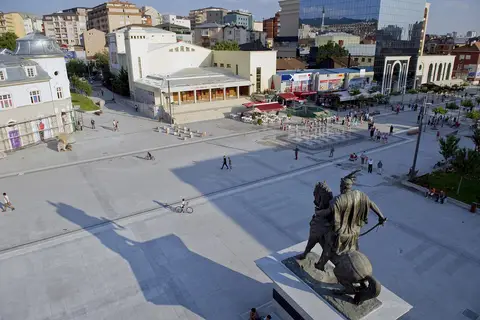
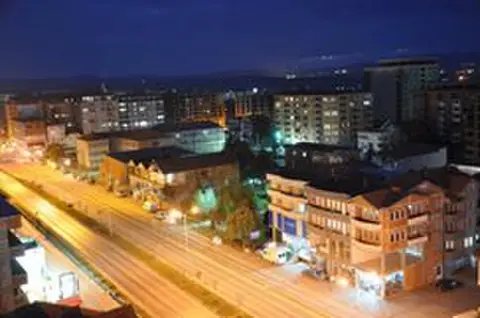
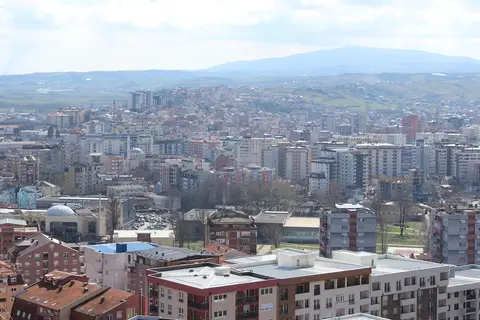
The capital isn't a place of classic postcard views, but it has plenty of energy. Thousands of people stroll along Mother Teresa Boulevard (Nëna Terezë) in the evening, side streets are lined with one café after another, and the macchiato here is considered one of the best in the Balkans. The sights in Kosovo you shouldn't miss in Pristina include the NEWBORN Monument, which is repainted every year, the National Library with its facade of metal lattice and 99 domes, the 15th-century Imperial Mosque, and the Ethnographic Museum in an Ottoman residence. On the edge of the city you'll find the excavations of Ulpiana, a Roman city, and Gračanica Monastery from the early 14th century with its tiered domes.
Prizren, the Country's Prettiest City
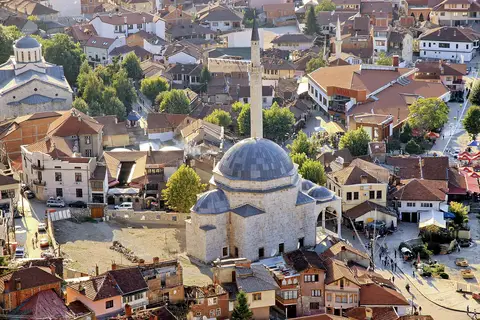
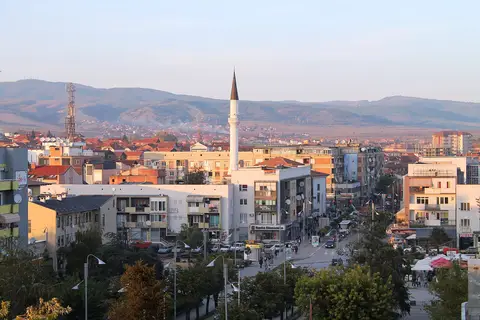
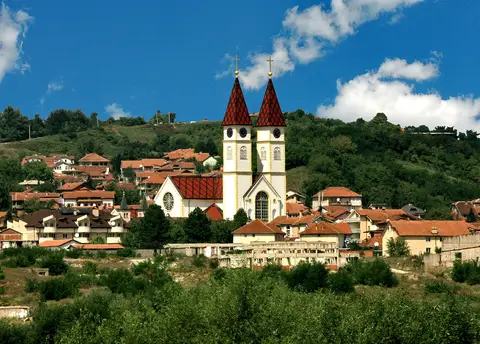
Most destinations in Kosovo can be reached from Pristina, but Prizren deserves more than a day trip. The city on the Bistrica River is overlooked by a fortress, from which you look out over a sea of tiled roofs, minarets, and church towers. The stone bridge, the Sinan Pasha Mosque, hammams, and the Church of Our Lady of Ljeviš with its frescoes are only a few steps from one another. Silversmiths still work in the alleys of the old town, making filigree jewelry. Every August the city hosts the DokuFest documentary film festival, when the riverside promenade is alive with celebration until late at night. From Prizren, a road leads up into the Šar Mountains and the mountain village of Brezovica with its ski resort.
Peja, Gjakova, and the Rugova Gorge
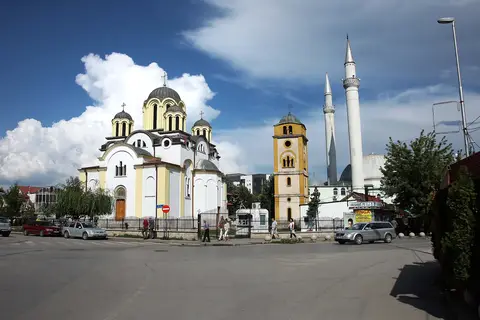
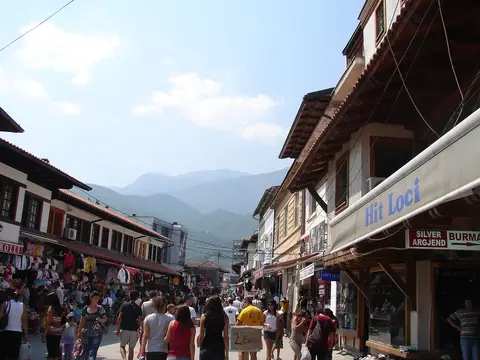
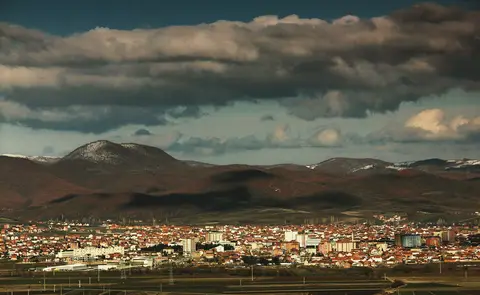
In the west, Peja (Serbian: Peć) lies at the mouth of the Rugova Gorge. The road winds between rock walls up to 1,000 meters high into the Albanian Alps, known here as Bjeshkët e Nemuna. There is a via ferrata, suspension bridges, mountain villages with summer pastures, and the cross-border Peaks of the Balkans hiking trail, which connects Kosovo, Albania, and Montenegro. Right next to Peja stands the Patriarchate of Peć, seat of the Serbian Orthodox Patriarchate since the Middle Ages, and about 30 kilometers to the south is Visoki Dečani Monastery, home to one of the largest fresco cycles in the Byzantine world. Both are UNESCO World Heritage sites and are still inhabited by monks and nuns; visitors are welcome but should bring ID and dress modestly. Gjakova has one of the longest bazaars in the Balkans, the Çarshia e Madhe, with low wooden shops and cobblestone streets.
Food and Drink
The cuisine is hearty and generous. Flija is a dish that takes patience: thin layers of batter are brushed with cream and baked layer by layer under a lid over glowing charcoal, often for hours. Other staples include pite with cheese or spinach, stuffed peppers, Tavë Prizreni with lamb, and grilled qebapa and pljeskavica. Breakfast is fresh bread with ajvar and sheep's cheese, and a meal almost always ends with Turkish coffee or tea. Wine is grown around Rahovec in the south, and the grape harvest in September is celebrated with a small festival.
Getting Around Kosovo
The country is small; the drive from Pristina to Prizren takes about an hour and a half on a well-built highway. Buses run frequently and cheaply between all the towns, and rental cars are available at the airport. An important note for multi-country trips: if you enter via Kosovo and then want to continue on to Serbia, you may run into problems at the border, because Serbia does not recognize Kosovo's border crossings as an international border. It's worth checking the latest travel advisories from your government before you go. Combinations with Albania, North Macedonia, or Montenegro, on the other hand, are straightforward.
Best Time to Visit Kosovo
The best time to visit Kosovo is May, June, and September through early October. Temperatures then usually range between 68 and 81°F, and hiking in the mountains is pleasant. In July and August it often gets hotter than 86°F in Pristina and Prizren, and accommodations are in high demand because of the diaspora visits. Winters are cold, with frost and snow, which makes Brezovica and the mountain regions appealing to winter sports fans. In fall, the forests of the Rugova Gorge turn bright yellow and red.