Mitrovica District: Along the Ibar and in the Mountains
Travel guide · editorialA trip to Mitrovica takes you to northern Kosovo, to a city that the Ibar River splits in two. The region is shaped by mining history, medieval fortresses, and villages where Albanian and Serbian communities often live separately from one another.
Location and City
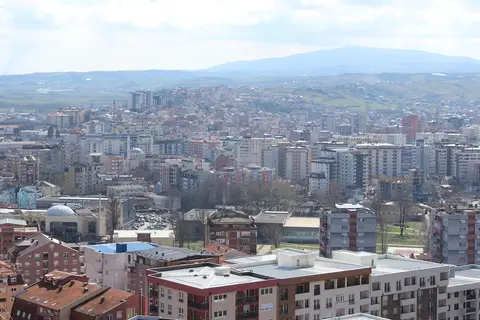
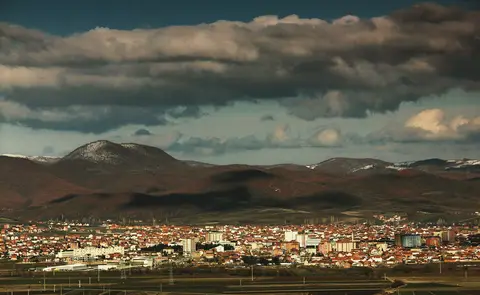
Mitrovica District stretches from the northern part of the Kosovo Plain (Amselfeld) to the mountains on the border with Serbia. Besides Mitrovica, it includes Vushtrri, Skenderaj in the Drenica region, and, in the north, Zvečan, Leposavić, and Zubin Potok. Mitrovica grew thanks to the Trepča mines, where lead, zinc, and silver have been extracted for centuries; a mineral museum displays magnificent crystals from the tunnels. Since the 1999 war, the city has been divided: south of the Ibar live mainly Albanians, to the north mainly Serbs. The bridge over the Ibar is a symbol of this division, though it is now open to pedestrians. Visitors should check the current situation in advance.
Sights in Mitrovica District
A hill rises above Mitrovica with the Miners' Monument from the Yugoslav era, offering views over the whole city. To the north, on a steep rock, stands the medieval Zvečan Fortress with sweeping views of the Ibar Valley, and not far from it the 14th-century Serbian Orthodox Banjska Monastery. Vushtrri, about 20 kilometers to the south, has an old multi-arched stone bridge whose origins go back to Ottoman times or earlier, and a medieval fortress tower in the center. In Prekaz near Skenderaj, a memorial commemorates the Jashari family, whose deaths in 1998 became a turning point in the Kosovo War. The Bajgora Mountains to the east are quiet and heavily forested, and wind turbines turn here today.
Food, Getting There, and Best Time to Visit
The cuisine is hearty: grilled meat, beans, pita, yogurt, and cheese from the mountains, served in Albanian restaurants in the south of the city and Serbian ones in the north. Mitrovica can be reached from Pristina by bus in about 45 minutes. The best time to visit is from May to October, when the mountain roads are clear and the fortresses are easily accessible.