Discover Takasaki: Daruma, Kannon, and Pasta
Travel guide · editorialRound red figures with blank eyes greet you everywhere in Takasaki – in shop windows, at the train station, even on manhole covers. A trip to Takasaki takes you to the capital of Daruma good-luck charms, a giant Kannon statue towering over the city, and an ideal base for exploring the mountains and onsen of Gunma Prefecture.
The City of Daruma
Most of Japan's Daruma figures are made in and around Takasaki. The tradition goes back to the Zen temple Shōrinzan Daruma-ji, where farmers began making the papier-mâché figures as a side income in the 18th century. You buy one at the start of the year, paint in one eye when you set a goal, and the second once you have achieved it. A big Daruma market takes place in the city at New Year, and later the old figures are burned in a bonfire at the temple. In workshops, you can watch the craftsmen paint the figures. By the way, the German architect Bruno Taut lived on the temple grounds in the 1930s.
Sights in Takasaki
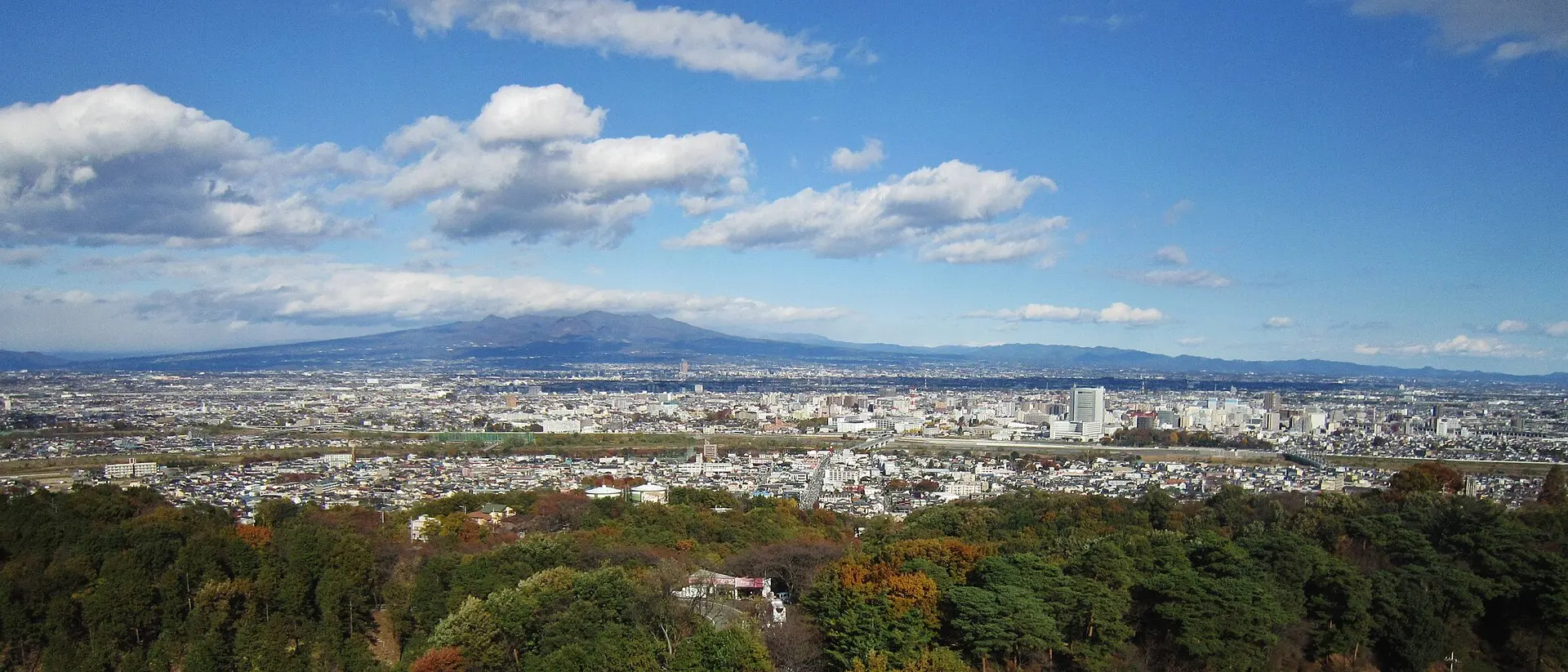
Visible from far away, the Byakue-Daikannon stands on Kannonyama Hill, a statue of the goddess of mercy more than 40 meters tall, built in 1936. Inside, stairs lead up to shoulder height, where you can look out over the plain all the way to the mountains. Architecture fans will find the Gunma Music Center by Antonin Raymond from the early 1960s in the city, as well as the modern Takasaki Arts Theater next to the station. In autumn, the foliage turns colorful on Kannonyama and in the park around the remains of Takasaki Castle.
Eating in Takasaki: Pasta and Gunma Cuisine
Surprising to many visitors: Takasaki calls itself a pasta city. Because wheat has traditionally been grown in large quantities on Gunma's windy plain, there is a long noodle culture, which has given rise to a multitude of pasta restaurants; every year, competitions crown the best creation. Regional cuisine also includes Mizusawa udon from nearby Shibukawa, okkirikomi stew with wide noodles, and grilled yaki-manjū with a sweet miso glaze. A large share of Japan's konnyaku also comes from Gunma.
Day Trips from Takasaki
Takasaki sits at the junction of the Jōetsu and Hokuriku Shinkansen lines, which makes it a great base. The Tomioka Silk Mill, a UNESCO World Heritage Site since 2014, can be reached on the Jōshin Line. To the northwest, you'll find Lake Haruna and the stone steps of the hot-spring town of Ikaho, and farther out, Kusatsu with its steaming spring fields. The best time to visit is spring and fall; in winter, the dry, cold karakkaze winds blow across the plain.
Getting Around Takasaki
The Shinkansen ride from Tokyo takes about 50 minutes. The city has no airport of its own; Haneda and Narita are connected via Tokyo. Locally, city buses run, along with train lines toward Maebashi and into the mountains; the center around the station is easy to explore on foot. For excursions into the mountains, a rental car or one of the bus lines toward Haruna and Ikaho is worthwhile. Thanks to the fast connection to Tokyo, some travelers stay overnight in Takasaki and head into the capital during the day – the hotels around the station are usually cheaper. Karuizawa is also just a quarter of an hour away on the Hokuriku Shinkansen.