Discover Fukuyama: Castle, Roses, and Tomonoura
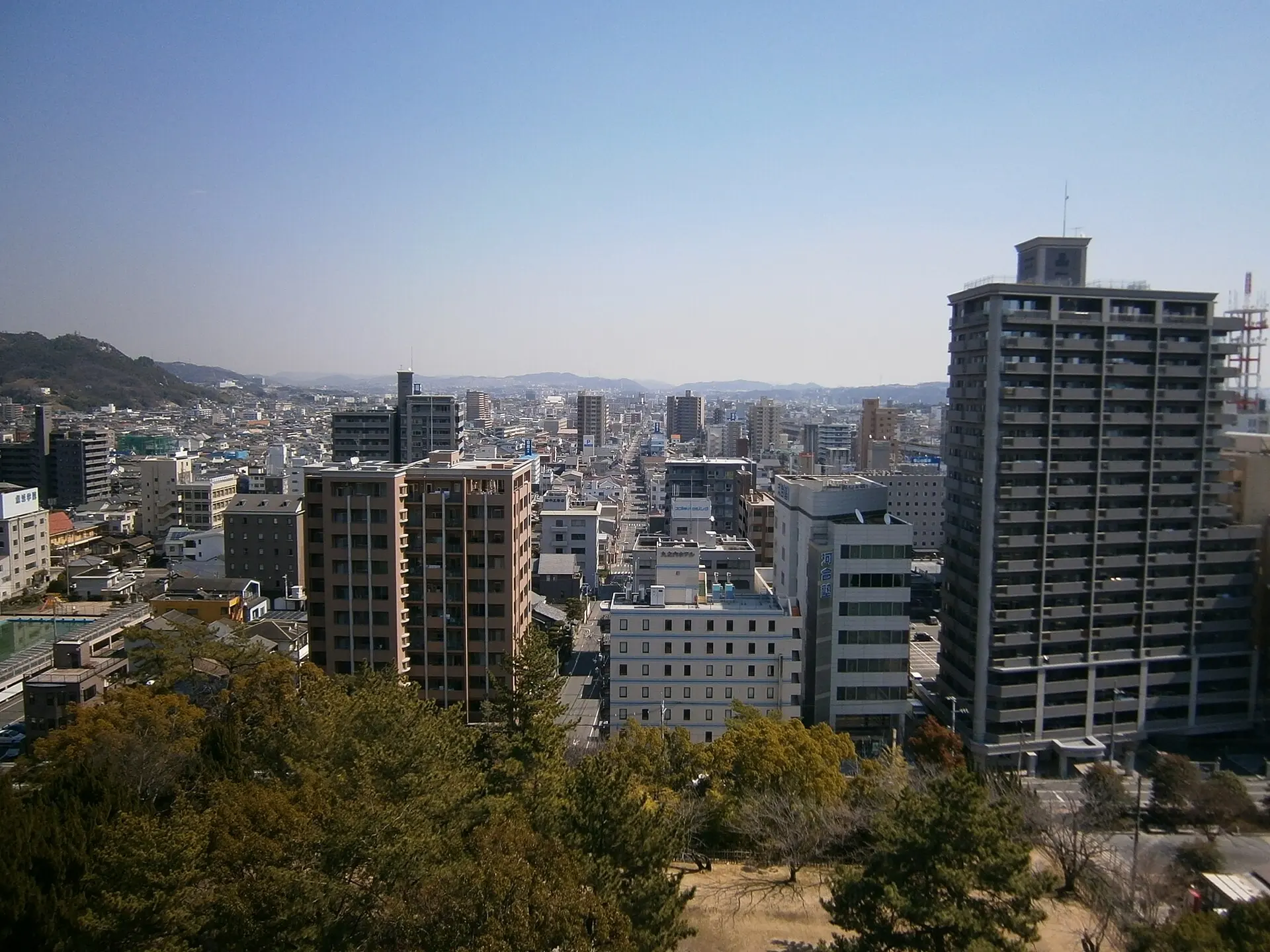
Travel guide · editorialHardly any Japanese castle sits as close to the tracks as Fukuyama's – step off the Shinkansen and you can see it straight from the platform. A trip to Fukuyama combines a castle town, a rose festival, and one of the most atmospheric old harbors on the Seto Inland Sea.
The Castle by the Station
In 1622, the lord Mizuno Katsunari had Fukuyama Castle built as a bulwark of the shogunate in western Japan. The main keep was destroyed in the war in 1945 and rebuilt in 1966; today it houses a museum on the history of the region. Still standing, however, are the Fushimi Turret, which according to tradition was moved here from Fushimi Castle in Kyoto, and a castle gate. The hill around the castle is a park with art and history museums, and a popular gathering spot during cherry blossom season.
The Rose City
After the wartime destruction, residents planted roses to bring hope back to the city. It grew into a tradition: Fukuyama calls itself the Rose City, roses bloom along many of its streets, and the rose park in the center is the hub of the Rose Festival in May, with parades and markets. There is a second bloom in fall as well. If you come in early summer, you'll experience the city at its most fragrant.
Tomonoura: Harbor of the Tides
About half an hour south by bus lies Tomonoura, one of the most important sights in Fukuyama. For centuries, ships waited here for the tides to turn, since the currents of the Inland Sea meet from both directions at this spot. The stone Jōyatō lighthouse, old quay walls, and narrow lanes lined with wooden houses have all been preserved. From the Taichōrō guest hall at Fukuzen-ji Temple, Korean envoys once gazed out at the island of Sensuijima, which you can reach by a short ferry ride. Director Hayao Miyazaki spent time here and drew inspiration for the film Ponyo. A local specialty is Hōmeishu, a sweet herbal liqueur.
Eating in Fukuyama
The Inland Sea supplies mainly sea bream, traditionally caught with nets in Tomonoura and served as sashimi or over rice. Small shrimp, octopus, and oysters from Hiroshima Prefecture also appear on menus. Kuwai, or arrowhead tubers, are a local New Year's vegetable. Restaurants around the station also serve Hiroshima-style okonomiyaki with noodles. The region is also known for denim; several weaving mills in the area supply international brands.
Getting Around Fukuyama
Fukuyama is a stop for Nozomi trains on the Sanyō Shinkansen; it takes about 25 minutes to Hiroshima and about an hour to Osaka. Hiroshima and Okayama airports can be reached by bus or train. Buses run to Tomonoura, and nearby Onomichi is the starting point of the Shimanami Kaidō cycling route across the islands. The best time to visit is May during the rose bloom or the mild fall. Summers are hot and humid, but that's when boat trips in Tomonoura and fireworks along the coast draw visitors. If you have the time, combine Fukuyama with Onomichi and its hillside temple paths, with the art district of Kurashiki, or with Hiroshima and Miyajima, both of which are reachable in just over an hour.