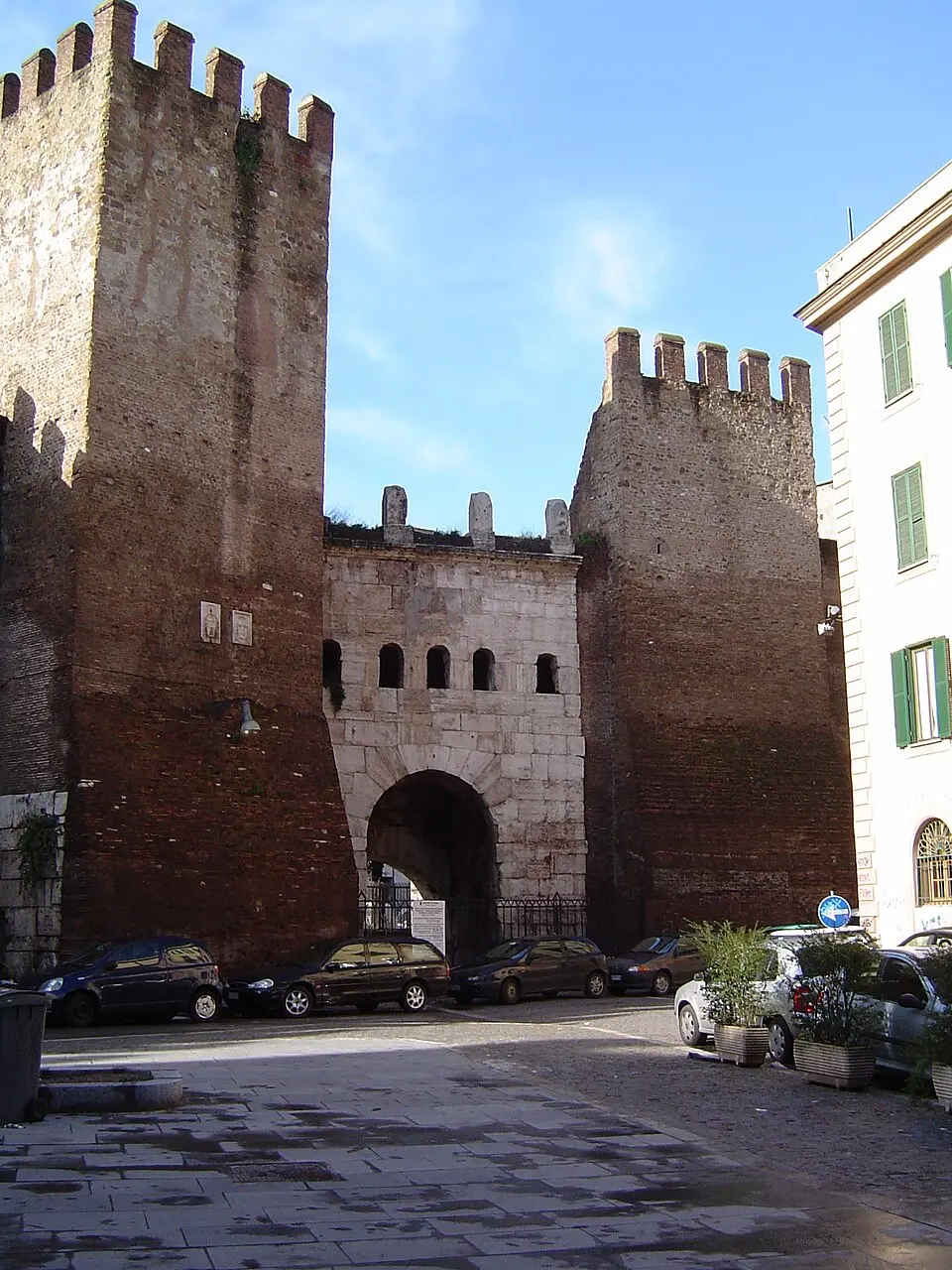
About Porta Tiburtina
The Porta Tiburtina, today also known as the Porta San Lorenzo, is a historic gate in Rome's Aurelian Walls. It originally served as a monumental travertine arch, built under Emperor Augustus to carry three Roman aqueducts over the Via Tiburtina. When the city wall was built in the third century A.D., the arch was incorporated into the fortifications and flanked with defensive towers. Later, under Emperor Honorius, an additional inner archway was added, which Pope Pius IX had removed again in the nineteenth century. The gate takes its modern name from the nearby Basilica of San Lorenzo fuori le mura. Today, several inscriptions on the facade bear witness to the various construction projects carried out on the aqueducts and the gate itself.
At a glance
- Category
- Sight › Historic sites
- Rating
- no reviews yet · write a review
- Address
- Viale di Porta Tiburtina, 14
00185 Rome, Italy - District
- Roma I
- Phone
- —
- Website
- —
- —
- Coordinates
- 41.89751° N · 12.51028° E
- Data quality
- confidence 0.85
- Identifier
- ID c66db899-ce6…
Location & surroundings
Toggle layersFAQ about Porta Tiburtina
quick answersWhat is the Porta Tiburtina in Rome?
The Porta Tiburtina is a historic city gate in the Aurelian Walls of Rome. It began as a monumental travertine arch from the time of Emperor Augustus, over which three Roman aqueducts crossed the Via Tiburtina. Today the gate is one of the historic sites in the Roma I district.
Why is the Porta Tiburtina also called Porta San Lorenzo?
The Porta Tiburtina in Rome takes its modern name, Porta San Lorenzo, from the nearby Basilica of San Lorenzo fuori le mura. The older name refers to the Via Tiburtina, which the original arch spanned.
How has the Porta Tiburtina changed over the course of history?
The Porta Tiburtina in Rome was modified over several centuries. When the Aurelian Walls were built in the third century AD, the Augustan aqueduct arch was incorporated into the fortifications and flanked with defensive towers. Under Emperor Honorius, an additional inner gateway arch was added, which Pope Pius IX had removed again in the nineteenth century. Several inscriptions on the facade still document the construction work on the aqueducts and the gate.
What can you see around the Porta Tiburtina?
Around the Porta Tiburtina in Rome, you'll mostly find remains of ancient aqueducts. travelguide195 lists the Aqua Julia (about 71 meters away), the Acquedotto Anio vetus (about 108 meters), and the Aqua Tepula (about 320 meters) in the immediate vicinity. The Arch of Sixtus V (about 125 meters) and the Torre piezometrica di Angiolo Mazzoni (about 130 meters) are also nearby.
Where is the Porta Tiburtina, and are there restaurants nearby?
The Porta Tiburtina is located at Viale di Porta Tiburtina 14 in the Roma I district of Rome. The area offers plenty of dining options: travelguide195 lists around 139 restaurants within 500 meters of the city gate.
Ratings & comments
none yetNear Porta Tiburtina
closest 5 per category · 2 kmSights
Restaurants
Museums
Hotels
More:Historic sites in Rome (1,014)Sights in Roma I (642)All sights in Rome (1,312)
300 places within 2 km loaded.
Don't miss in Rome
All sights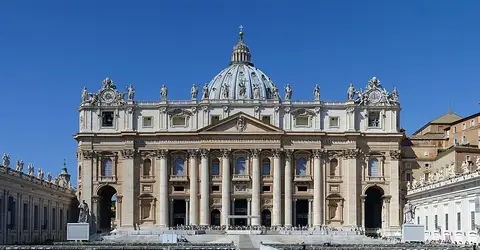 Historic sites01
The Dome at San Pietro Basilica
No address · Rome○ Website○ Phone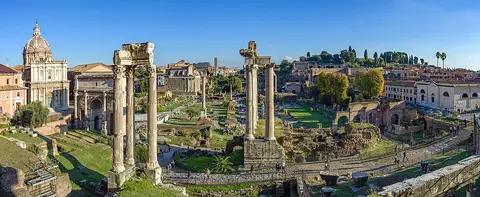 Historic sites02
Roman Forum
Via della Salara Vecchia, 5/6 · Rome● Website● Phone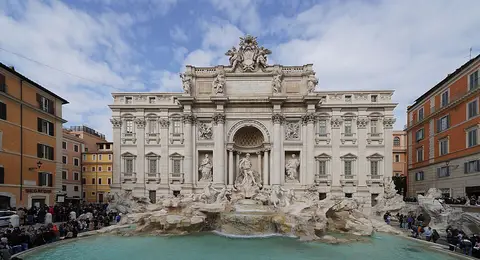 Historic sites03
Restauro Fontana di Trevi
Piazza di Trevi, 91 · Rome● Website○ Phone Monuments04
You need a free account to leave reviews and photos – that keeps comments genuine and lets you edit them later.