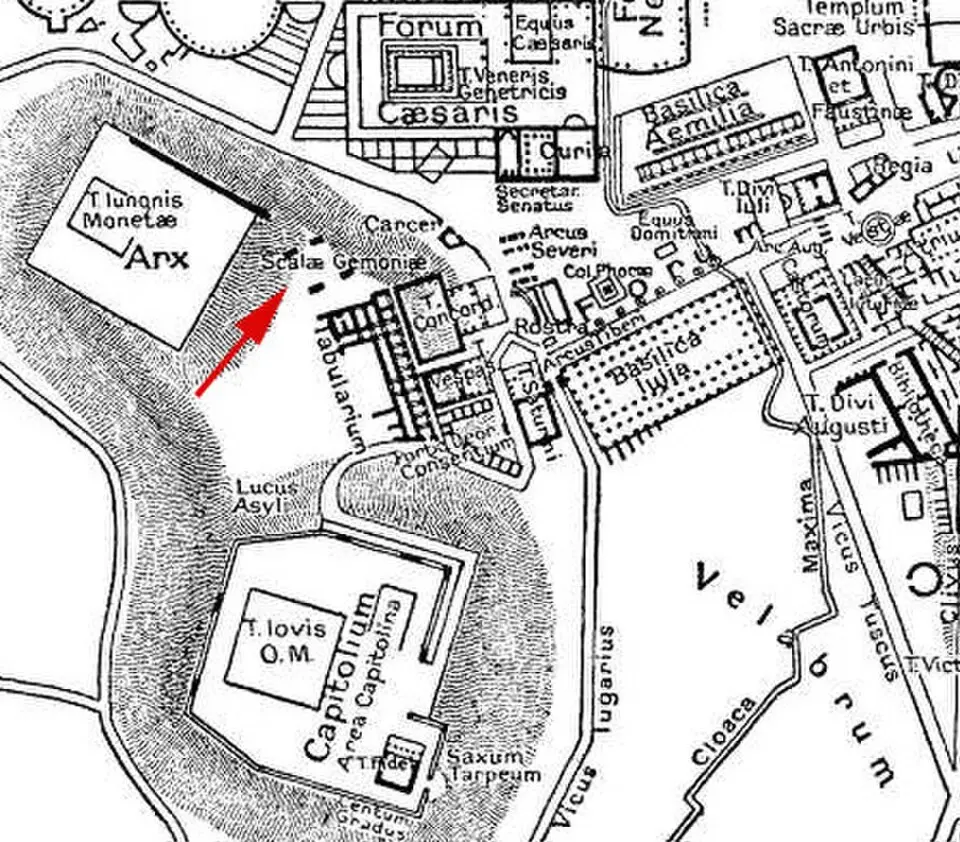
About Gemonian stairs
The Gemonian Stairs were a major ancient staircase in Rome that most likely ran from the Capitoline Hill down across the Roman Forum to the Tiber, passing the state prison, the Carcer Tullianus, along the way. The steps are first mentioned during the reign of Emperor Tiberius, and the name probably derives from a personal name, Gemonius. In the imperial era, the site was used above all for public executions and for the dishonorable display of the corpses of alleged enemies of the state. Famous victims included the Praetorian prefect Sejanus and the emperor Vitellius. The staging of the punishment followed cruel patterns: bodies were sometimes left to rot, dragged through the city with hooks, or torn apart by animals. Finally, the remains were thrown into the Tiber, which, according to ancient Roman beliefs about the afterlife, barred the dead from entering the underworld and deepened the disgrace of the condemned. This practice of public humiliation is documented into the fifth century and served as a powerful political tool of deterrence.
At a glance
- Category
- Sight › Historic sites
- Rating
- no reviews yet · write a review
- Address
- —
Rome, Italy - District
- Roma I
- Phone
- —
- Website
- —
- —
- Coordinates
- 41.89333° N · 12.48472° E
- Data quality
- confidence 0.81
- Identifier
- ID ef19de28-b34…
Location & surroundings
Toggle layersFAQ about Gemonian stairs
quick answersWhat are the Gemonian Stairs in Rome?
The Gemonian Stairs (Scalae Gemoniae) were a prominent ancient staircase in Rome that presumably led from the Capitoline Hill down across the Roman Forum to the Tiber. Along the way, they ran past the Carcer Tullianus, the state prison. The earliest mentions of the steps date from the reign of Emperor Tiberius, and the name probably derives from the personal name Gemonius.
What were the Gemonian Stairs used for in ancient Rome?
In the imperial era, the Gemonian Stairs in Rome were used mainly for public executions and for the dishonorable display of the bodies of alleged enemies of the state. Famous victims included the Praetorian prefect Sejanus and Emperor Vitellius. Some bodies were left to rot, dragged through the city with hooks, or torn apart by animals. This practice of public humiliation is documented as late as the fifth century and served as a political means of deterrence.
Why were bodies thrown into the Tiber from the Gemonian Stairs?
The remains of those displayed on the Gemonian Stairs in Rome were thrown into the Tiber because, according to ancient Roman beliefs about the afterlife, this denied them access to the underworld. This extended the disgrace of the condemned beyond death. The stairs presumably led all the way down to the river, which tied this final step of the punishment to the spot itself.
What can you see around the Gemonian Stairs in Rome?
Around the Gemonian Stairs in the Roma I district, numerous ancient sites of the Roman Forum lie just a few steps away. travelguide195 lists the Carcere Mamertino at about 22 meters, the Arco di Settimio Severo at about 36 meters, the Volcanal at about 51 meters, and the Clivo Argentario at about 54 meters, among others. Also very close are the Tempio della Concordia (about 61 meters), the Umbilicus Urbis (about 62 meters), the Foro di Cesare (about 63 meters), and the Curia Julia (about 64 meters).
Are there restaurants near the Gemonian Stairs in Rome?
Yes, you'll find a wide range of places to eat around the Gemonian Stairs in Rome. travelguide195 lists about 127 restaurants within 500 meters of the historic site in the Roma I district.
Ratings & comments
none yetNear Gemonian stairs
closest 5 per category · 2 kmSights
Restaurants
Museums
Hotels
More:Historic sites in Rome (1,014)Sights in Roma I (642)All sights in Rome (1,312)
300 places within 2 km loaded.
Don't miss in Rome
All sights Historic sites01
The Dome at San Pietro Basilica
No address · Rome○ Website○ Phone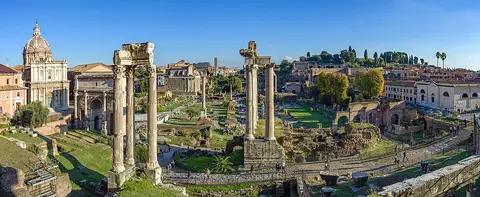 Historic sites02
Roman Forum
Via della Salara Vecchia, 5/6 · Rome● Website● Phone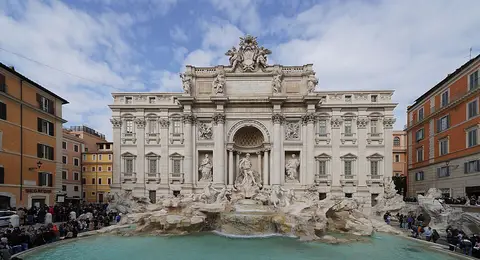 Historic sites03
Restauro Fontana di Trevi
Piazza di Trevi, 91 · Rome● Website○ Phone Monuments04
You need a free account to leave reviews and photos – that keeps comments genuine and lets you edit them later.