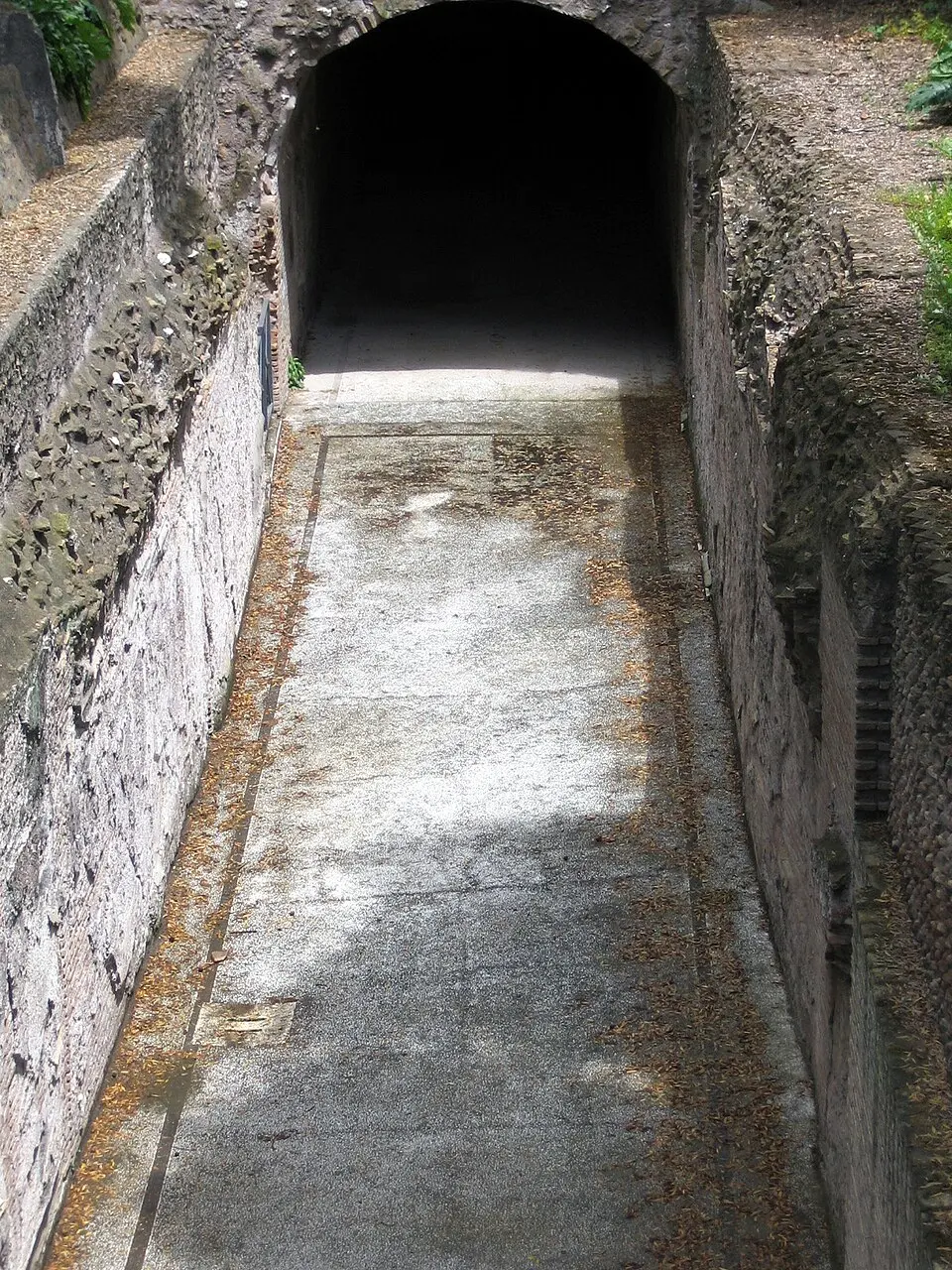
About Domus Transitoria
In the first century, the Domus Transitoria, a palace built by Emperor Nero, stood on Rome's Palatine Hill. This so-called "transitional house" connected the old imperial buildings on the Palatine with the Gardens of Maecenas on the Esquiline Hill. After the Great Fire of Rome in A.D. 64, the building was largely destroyed and later replaced by the Domus Aurea. In parts that date back to the earlier palace, you can still see wall paintings with classical motifs today. They show multi-row ornaments, such as stylized blossoms, that frame the painted panels. The main decorative element is the cymation, a concave or convex molding between architectural elements, while rows of stucco form the outermost frame. The paintings, executed quickly but with precision, probably depict mythological themes, though these cannot be interpreted with certainty.
At a glance
- Category
- Sight › Monuments
- Rating
- no reviews yet · write a review
- Address
- Via di San Gregorio 30
Rome, Italy - District
- Roma I
- Phone
- —
- Website
- —
- —
- Coordinates
- 41.88860° N · 12.48590° E
- Data quality
- confidence 0.74
- Identifier
- ID 4bb04238-777…
Location & surroundings
Toggle layersFAQ about Domus Transitoria
quick answersWhat is the Domus Transitoria in Rome?
The Domus Transitoria is a palace that Emperor Nero had built on the Palatine Hill in Rome in the first century. Its name, "Transitional House," comes from the fact that the complex linked the old imperial buildings on the Palatine with the Gardens of Maecenas on the Esquiline. The address is Via di San Gregorio 30 in the Roma I district.
What happened to the Domus Transitoria after the Great Fire of Rome?
The Domus Transitoria in Rome was largely destroyed in the Great Fire of Rome in the year 64. Emperor Nero then replaced it with the later Domus Aurea. Parts that date back to the earlier building have survived to this day.
What wall paintings can you see in the Domus Transitoria?
In the surviving sections of the Domus Transitoria in Rome, you'll find wall paintings with classical motifs. Multi-row ornaments such as stylized blossoms frame the painted panels, the key design element is the cyma, a concave or convex molding strip, while rows of stucco form the outermost border. The lively yet precisely painted scenes probably show mythological themes, although they can't be interpreted with certainty.
What can you see around the Domus Transitoria?
Around the Domus Transitoria on the Palatine Hill in Rome, numerous ancient sites lie within a few minutes' walk. travelguide195 lists the Temple of Apollo Palatinus about 32 meters away, the Domus Flavia about 59 meters away, and the Palatine Museum about 63 meters away, among others. Also nearby are the House of Livia, the Domus of Augustus, the Lupercal, and the Orti Farnesiani on the Palatine, each less than 90 meters away.
Are there restaurants near the Domus Transitoria?
Yes, you'll find several places to eat around the Domus Transitoria in Rome. travelguide195 lists around 27 restaurants within 500 meters of the attraction at Via di San Gregorio 30.
Ratings & comments
none yetNear Domus Transitoria
closest 5 per category · 2 kmSights
Restaurants
Museums
Hotels
More:Monuments in Rome (235)Sights in Roma I (642)All sights in Rome (1,312)
300 places within 2 km loaded.
Don't miss in Rome
All sights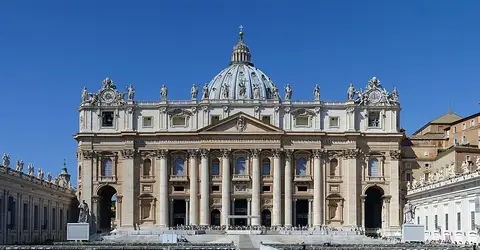 Historic sites01
The Dome at San Pietro Basilica
No address · Rome○ Website○ Phone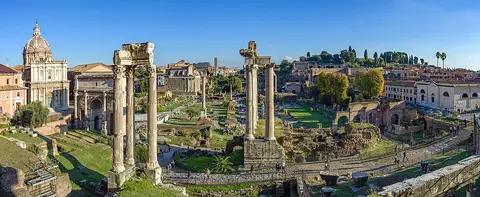 Historic sites02
Roman Forum
Via della Salara Vecchia, 5/6 · Rome● Website● Phone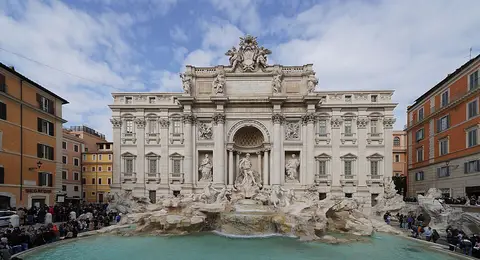 Historic sites03
Restauro Fontana di Trevi
Piazza di Trevi, 91 · Rome● Website○ Phone Monuments04
You need a free account to leave reviews and photos – that keeps comments genuine and lets you edit them later.